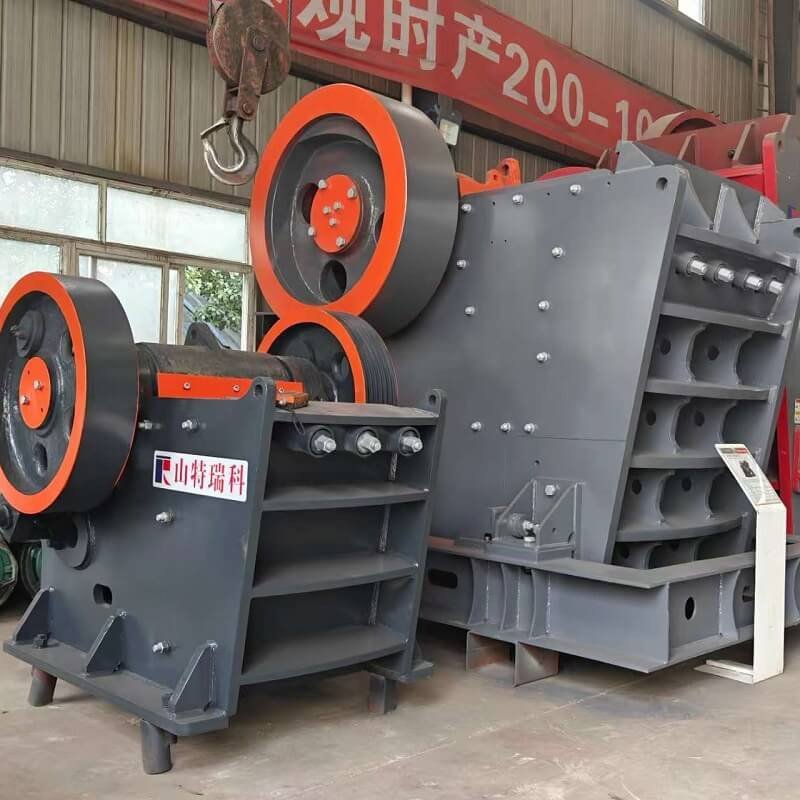
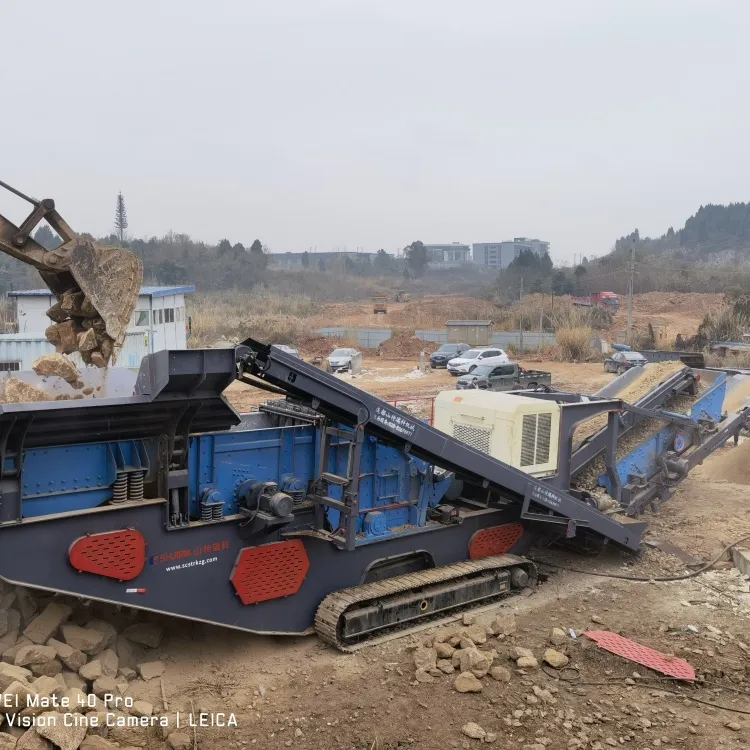
A mobile impact crusher is a mobile crusher centered around an impact crusher. It serves as secondary crushing equipment, typically following a primary jaw crusher. Key advantages include high crushing efficiency, comprehensive functionality, and superior product quality. Thanks to a compact and well-engineered design, Sandreck’s mobile impact crushing plants can meet the requirements for crushing and screening materials across coarse, medium, and fine size ranges.
These mobile impact crusher plants feature an integrated design that combines crushing and screening systems into a single unit. Equipped with either a wheeled chassis or a tracked undercarriage, they support hybrid diesel-electric drive systems and require no permanent foundation. They offer high mobility and a small turning radius. They are primarily used in applications requiring mobile crushing, such as mining, construction waste processing, and transport infrastructure projects. These units can operate independently or in conjunction with a jaw crusher to form a closed-circuit processing loop, with a maximum processing capacity of up to 650 t/h.
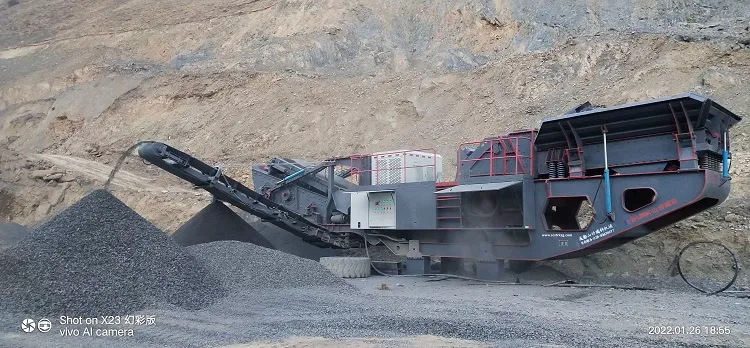
Mobile Impact Crusher Working Principle
The operating principle of a mobile impact crushing plant generally follows a material processing sequence of “primary crushing – secondary/fine crushing – screening.” Material is fed uniformly into the stone crusher by a vibration feeder, where it undergoes initial impact crushing. The crushed material then passes through a circular vibrating screen, forming a closed-circuit system. Material that does not meet the required particle size is returned to the impact crusher for further processing, while the finished product—meeting the specified size requirements—is discharged via a belt conveyor, enabling a continuous crushing operation.
A mobile impact crusher plant can be configured as a combination of “feeder + impact crusher + vibrating screen” or simply “impact crusher + vibrating screen,” depending on specific production requirements.

Types of Mobile Impact Crushing Plants
Based on their mobility mechanism, mobile impact crushers are primarily categorized into two types: tire-mounted (wheeled) and crawler-mounted (tracked) units.
Tire-mounted mobile impact crusher plants are towed by a truck tractor. They are typically used for processing construction waste in urban areas or in operations that require frequent relocation. While these units require relatively flat ground for travel, they do not demand a large operational footprint.
Wheeled mobile impact crushers feature a compact design, a high chassis, and a small turning radius, facilitating both road transport and access to confined work sites. They are suitable for processing materials of low to medium hardness, such as limestone, granite, and construction waste.
Crawler-mounted mobile impact crushing plants are fully automated. Their tracks are driven by a hydraulic system and can be operated via remote control. Thanks to their superior traction and substantial weight, these units can navigate slopes and rugged terrain, making them ideal for operations on hillsides or uneven ground. They are frequently employed in sectors such as metallurgy, chemicals, construction materials, and hydropower—industries that often require equipment relocation—and are particularly well-suited for mobile stone-processing tasks associated with highway, railway, and hydroelectric infrastructure projects.
Tracked mobile impact crushers utilize a hybrid diesel-electric drive system for their crawler chassis, ensuring convenient relocation and versatility across a wide range of operating conditions. They are capable of processing various materials, including coal gangue, sand and gravel, basalt, river pebbles, construction waste, and various types of ore.
Depending on the type and scale of the raw materials being processed, as well as the requirements for the finished products, users can adopt different methods of mobility.
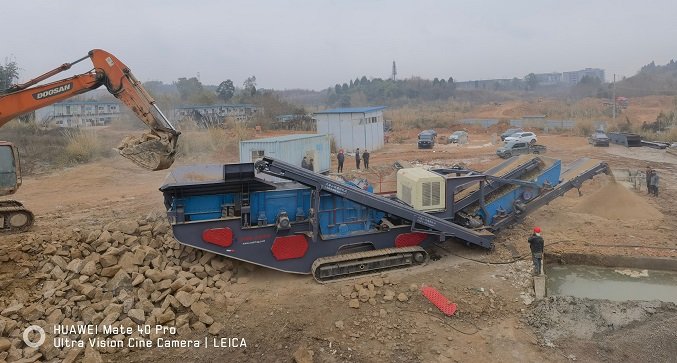
Features of Mobile Impact Crusher Plant
- Mobile impact crushers enable on-site material crushing, eliminating the need to transport materials off-site for processing and significantly reducing transportation costs.
- The integrated design minimizes the need for on-site infrastructure, thereby lowering both material and labor requirements. Its compact and efficient layout offers greater flexibility for site deployment.
- Whether for primary crushing, fine crushing, or screening, these mobile impact crushing plants can operate as standalone units or be configured to work in combination with other equipment.
- Equipped with an intelligent PLC control system, the unit allows users to operate and monitor operations remotely, with the ability to adjust running parameters at any time.
- These mobile impact crusher plants are highly convenient for deployment at construction sites.
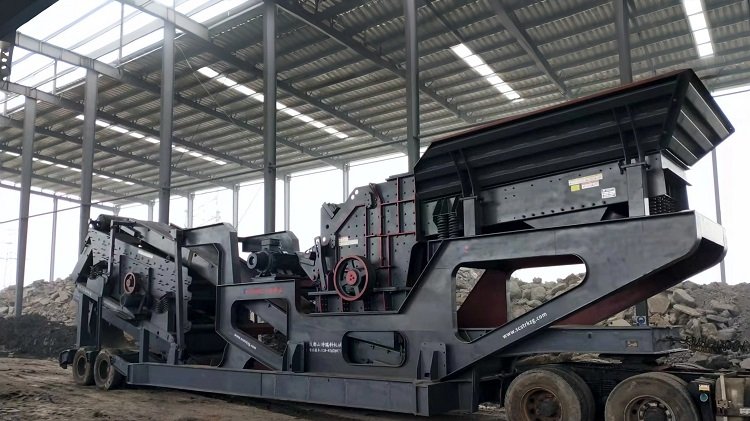
Mobile Impact Crusher Applications
① Mobile impact crushing stations are widely used in the recycling of construction waste, as well as in specialized projects requiring mobile stone-crushing operations, such as those for hydropower, expressways, and railways.
② Depending on their mobility system—wheeled or tracked—these mobile impact crushers are suited for various operating environments, ranging from urban construction waste processing to flat terrain, mountainous areas, or rugged landscapes.
③ Mobile impact crusher plants can also be utilized for the artificial production of sand from materials such as river pebbles, basalt, granite, ore tailings, and coal gangue.
Technical Parameters of Mobile Impact Crusher Plant
| Model | Feeding and screening equipment | Crushing equipment | Belt conveyor | Hopper volume (m³) | Max. feed size (mm) | Transportation dimension (mm) |
| NK100J | GZD0936 | C6X100 | B1000×9m | 6 | 630 | 13189×3852×4016 |
| NK110J | GZD1142 | C6X110 | B1200×10m | 6 | 720 | 13638×4160×4930 |
| NK1213 CS | GZD1142、YZS1536 | CI5X1213 | B1000×8.4m | 6 | 550 | 16944×2324×5563 |
| NK1315 CS | GZD1345、YZS1845 | CI5X1315 | B1200×8.4m | 6 | 600 | 16944×2324×5563 |
| NK1214 IS | YZS1536 | PFW1214 III | B1000×8.4m | 3 | 250 | 17650×3420×4556 |
| NK1315 IS | YZS1536 | PFW1315 III | B1000×8.4m | 3 | 300 | 17650×3420×4800 |
| NK1213 IS | YZS1536 | CI5X1213 | B1000×8.4m | 3 | 300 | 17650×3420×4556 |

Related products
-
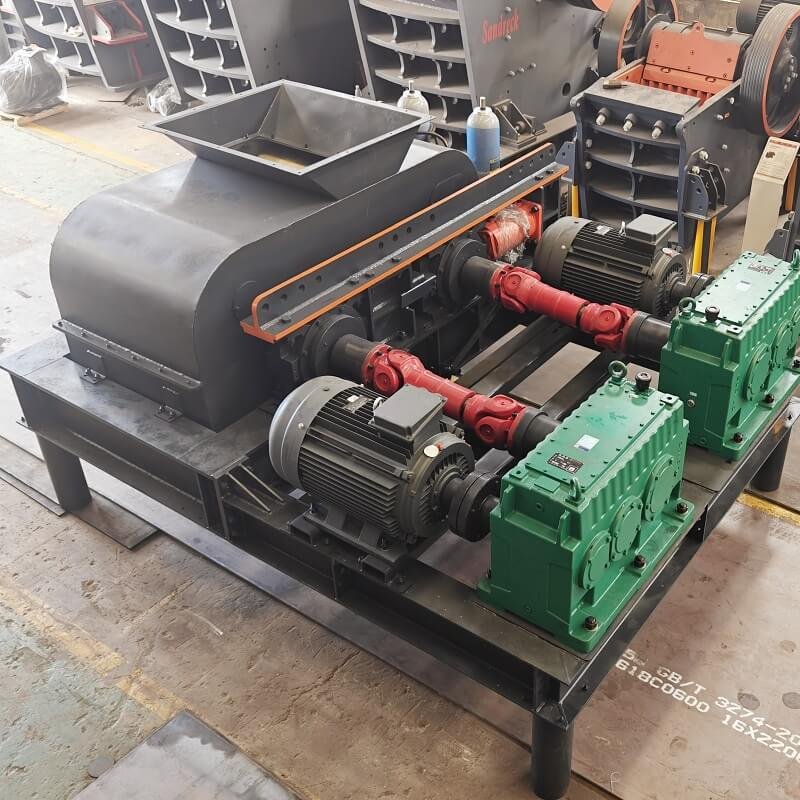
Double Toothed Roll Crusher
The double-toothed roll crusher can be equipped with either coarse-toothed or medium-toothed rolls, depending on the characteristics and processing requirements of the material. It is suitable for the primary and secondary crushing of brittle and soft materials—such as limestone, silicon metal, basalt, construction waste (concrete), quicklime, coal, coke, clay, and chemical raw materials.
- Capacity: 2-5000 t/h
- Feed Size: <1200 mm
- Output Size: 10-300 mm
-
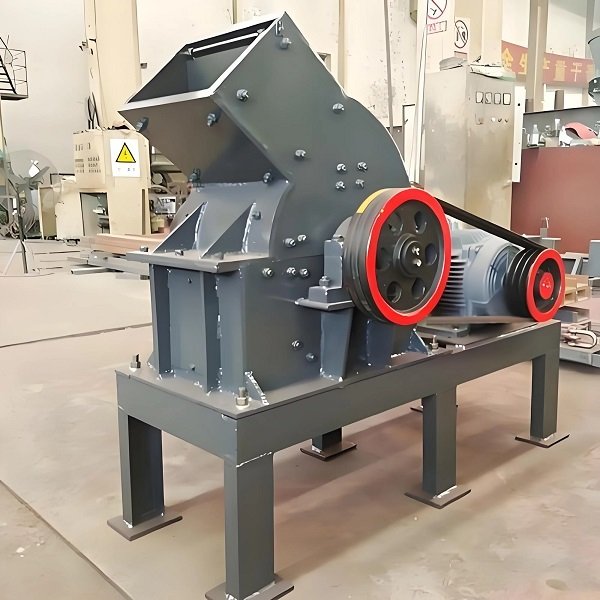
Hammer Rock Crusher
Hammer rock crushers are suitable for crushing medium-hard and brittle materials across industries such as mining, cement, coal, metallurgy, construction materials, road construction, and chemicals. They feature a high crushing ratio, high production capacity, and uniform product particle size.
- Capacity: 3-95 t/h
- Feed Size: ≤350 mm
- Output Size: 10-35 mm
-
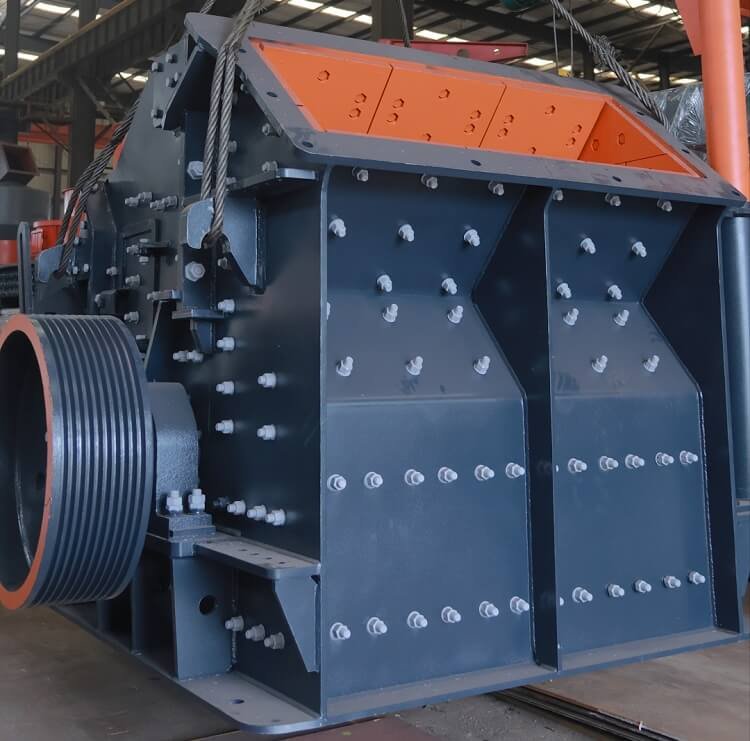
Single Rotor Impact Crusher
Single-rotor impact crushers are widely used for crushing various soft and medium-hard ores, enabling medium and fine crushing in secondary crushing processes. They are widely applied in various ore crushing, railway, highway, and construction industries for the production of artificial sand and gravel. They are primarily used in mining, construction, chemical, cement, and metallurgical industries.
- Capacity: 90-800 t/h
- Feed Size: <300-900 mm
- Output Size: 20-80 mm
-
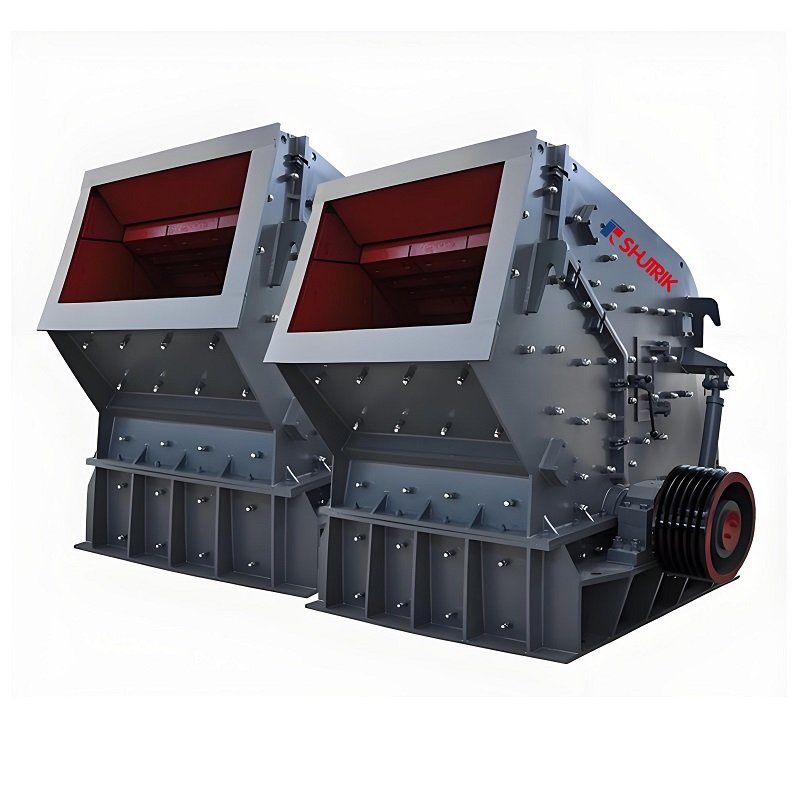
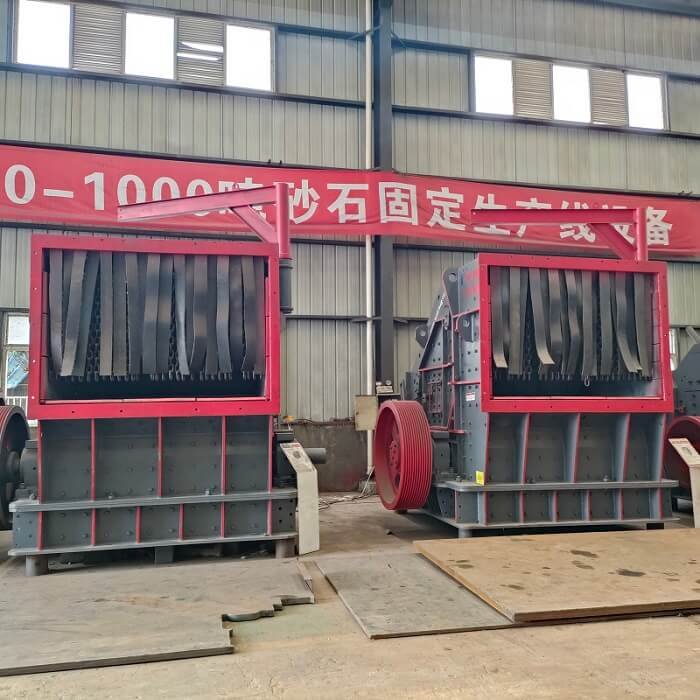
PF Series Impact Crusher
The PF series impact crusher can crush various medium and fine materials (granite, limestone, concrete, etc.) with a feed particle size not exceeding 900mm and a compressive strength not exceeding 350MPa. It features a large crushing ratio, high crushing efficiency, and convenient maintenance.
- Capacity: 90-800 t/h
- Feed Size: <300-900 mm
- Output Size: 20-80 mm
-
Secondary Impact Crusher
A secondary impact crusher is a stone crushing machine that uses impact energy to crush stone. It can process materials with side lengths of 300-900 mm. The finished product is cubic in shape, and the particle size is adjustable.
- Capacity: 90-800 t/h
- Feed Size: <300-900 mm
- Output Size: 20-80 mm
-
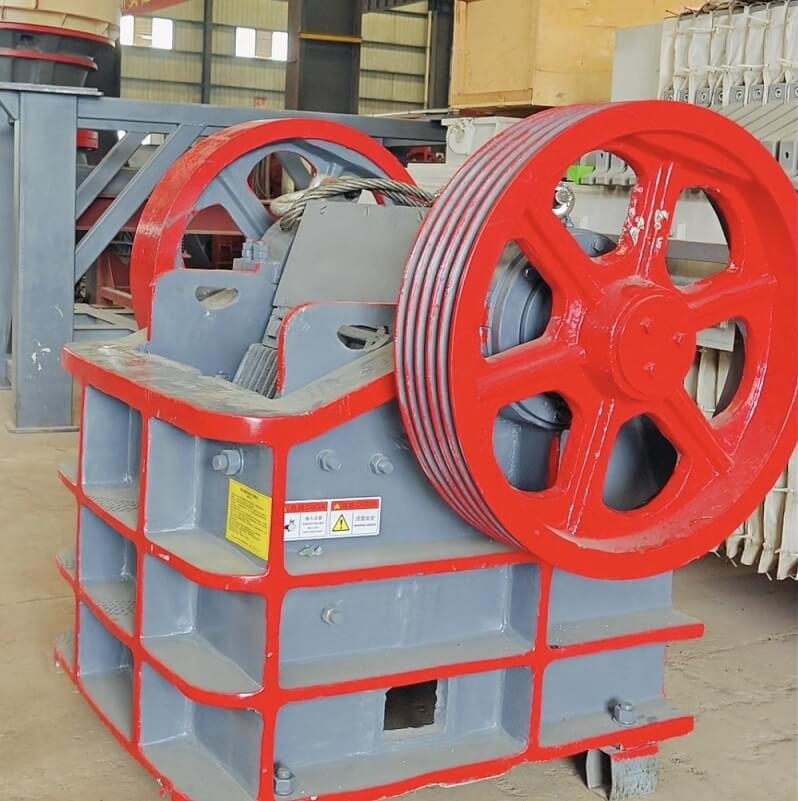
Jaw Rock Crusher
The jaw rock crusher is a heavy-duty crushing equipment widely used in industries such as mining, metallurgy, construction materials, and chemicals. It is specifically designed for primary and secondary crushing of high-hardness materials.
- Capacity: 1-1000 t/h
- Feed Size: ≤1200 mm
- Output Size: 10-350 mm