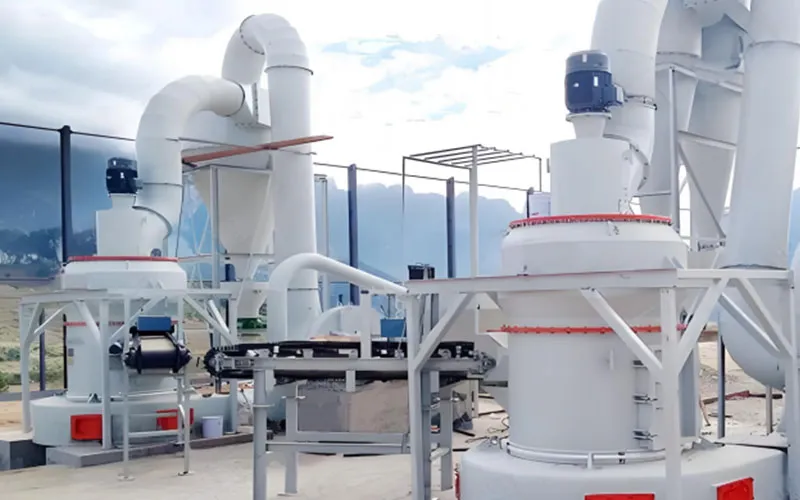
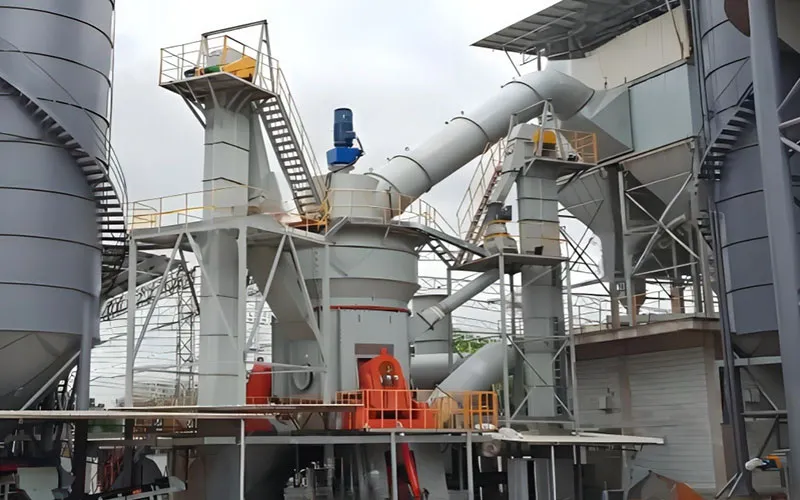
Our powder grinding mill plant covers small- to medium-scale processing capacities. The integrated system includes equipment such as a jaw crusher, hopper, bucket elevator, classifier, dust collector, high-pressure grinding mill, and vibrating feeder.
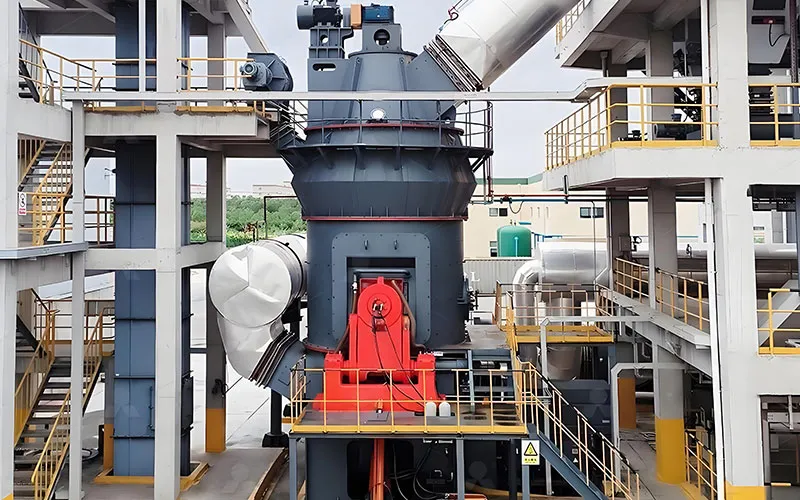
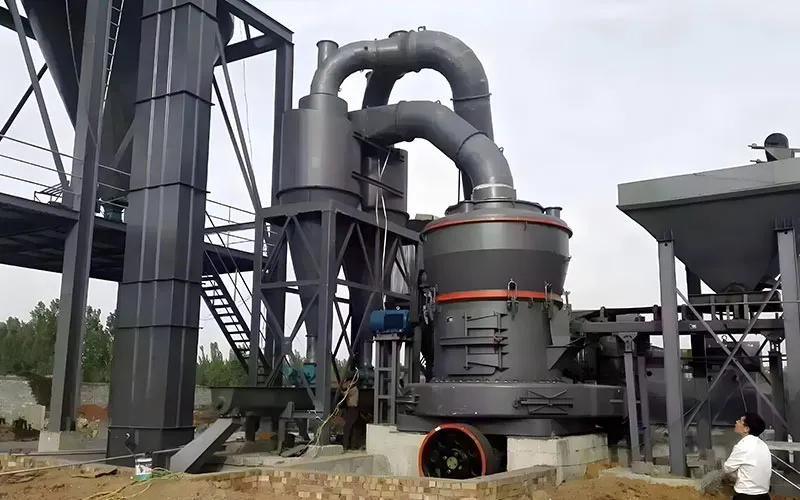
Lumpy ore is fed into a jaw crusher via a vibrating feeder. After crushing, the material is conveyed to a main grinding mill, such as a Raymond mill, or vertical roller mill, to be ground into powder. A classifier and cyclone separator screen for the required fineness, and dust is collected by a dust removal system. Belt conveyors and elevators facilitate material transfer between processing stages.
The grinding production line features a compact layout, moderate energy consumption, and easy, automated operation. It processes non-metallic ores like limestone, calcite, quartz, and talc, producing powders used in industries such as construction materials, chemicals, and metallurgical fillers.
Types of Material
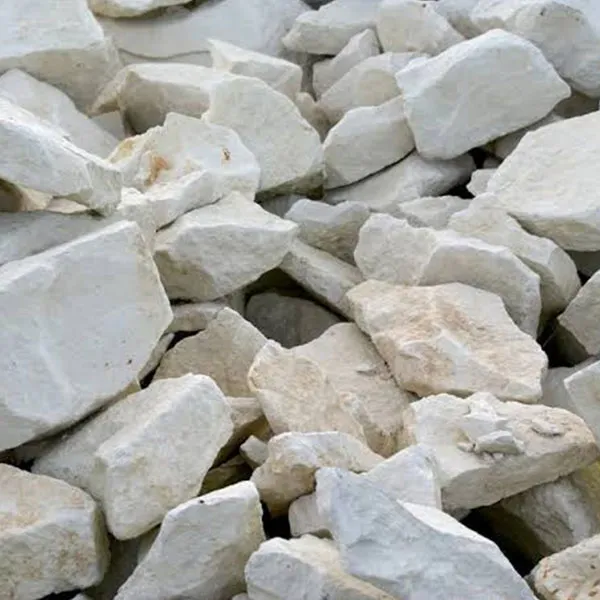
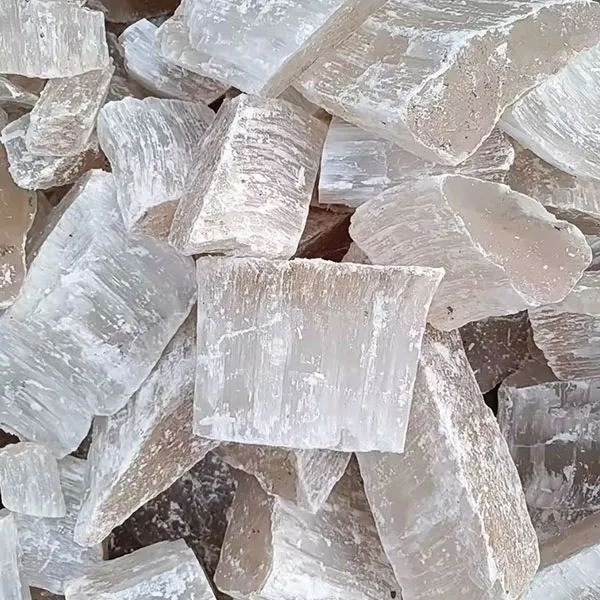
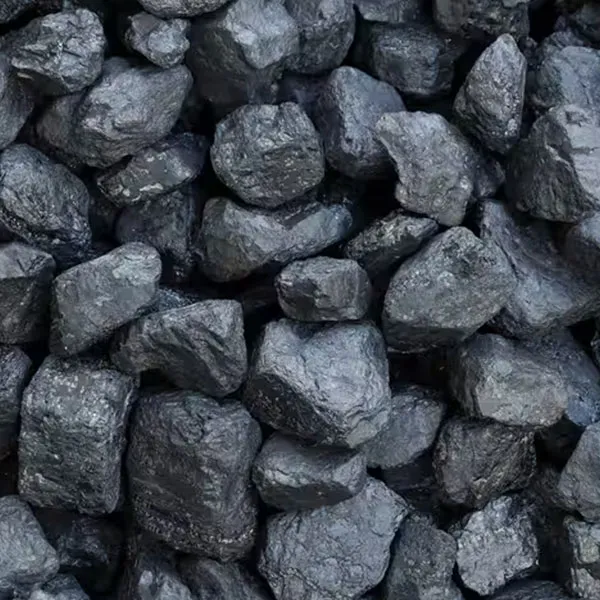
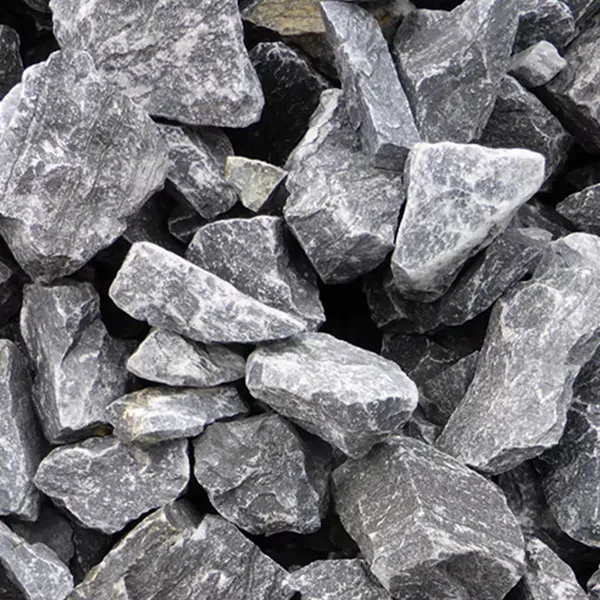
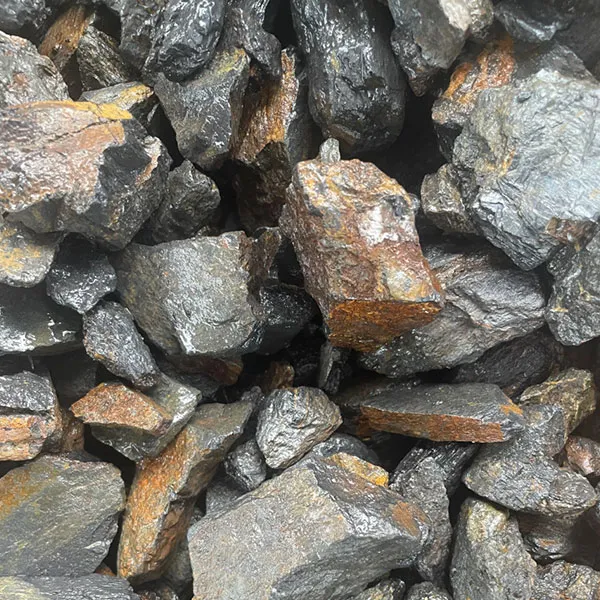
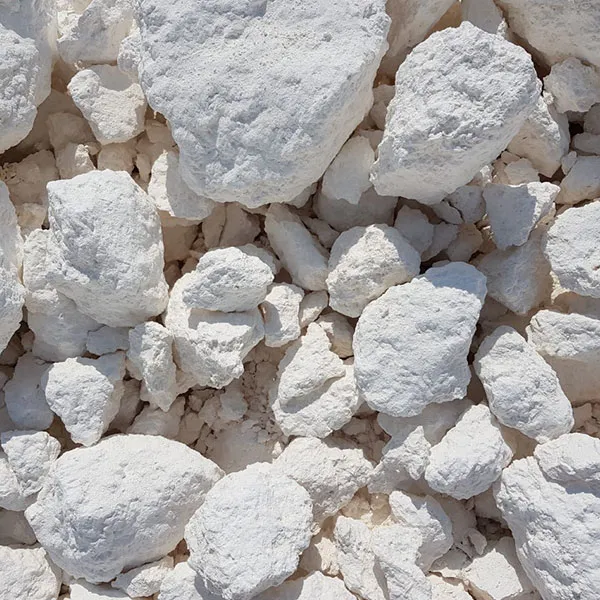
The powder grinding plant is suitable for grinding materials including rocks, metal ores, and non-metallic minerals such as coal, cement, phosphate, gypsum, limestone, calcite, calcium carbonate, dolomite, feldspar, talc, barite, fluorite, rare earth, marble, ceramics, manganese ore, carbon black, kaolin, etc.
limestone
gypsum
coal
barite
carbon black
calcium carbonate
Grinding Mill Plant Process
01
Crushing Process
Large ore chunks are fed by a vibrating feeder into a jaw crusher for primary crushing, reducing the size to 25–30 mm. A bucket elevator then transports the material to a storage hopper.
02
Grinding Process
Material from the storage hopper is fed evenly into the main grinding mill, such as a Raymond mill or vertical roller mill, via an electromagnetic vibrating feeder. This is the core process. The system can be adjusted to meet various fineness requirements, producing powders ranging from 80 to 2500 mesh.
03
Selecting and Classifying Process
The ground powder undergoes classification and screening in a powder classifier. Powder meeting the fineness standards proceeds to the next stage, while coarse particles are automatically returned to the main mill for regrinding.
04
Collecting Process
Qualified fine powder is collected by the powder collector and dust removal system, then conveyed via piping to the finished product silo.
05
Packaging Process
The powder in the silo can be stored directly or bagged for sale as a finished product.
Core Equipment for Powder Grinding Production Line
Powder Grinding Plant Features
High resource utilization
Industrial solid wastes—such as slag and steel slag—can be processed into high-value powders, turning waste into a valuable resource. The comprehensive resource utilization rate exceeds 95%.
Compact layout
Features a vertical structure and a rational overall layout. The system requires minimal floor space and offers high site utilization through an integrated production setup.
High classification precision
Equipped with an isolated cyclone powder collector, ensuring high classification efficiency and uniform, stable powder fineness.
Energy-efficient and high-performance
Utilizes advanced equipment such as vertical mills, reducing energy consumption by 30% compared to traditional ball mills. Delivers high output and stable operation.
Flexible production capacity
Capacities range from 50,000 to 1,000,000 tons per year, with configurations that can be flexibly customized to meet specific needs.
Application of Powder Grinding Mill Plant
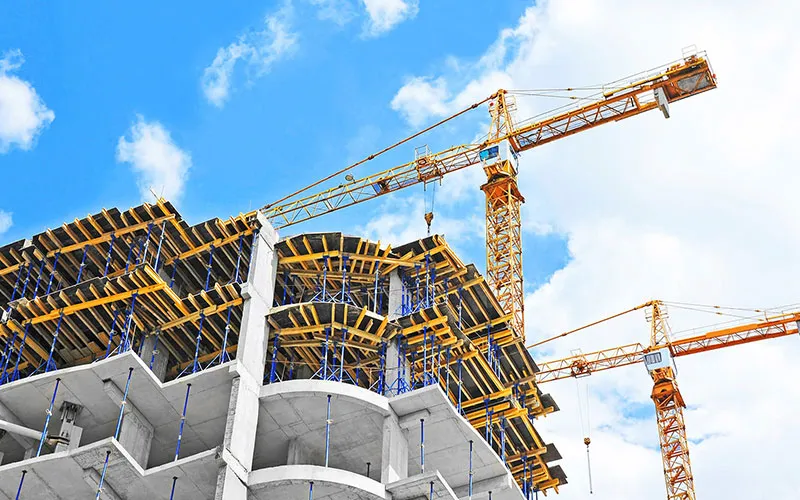
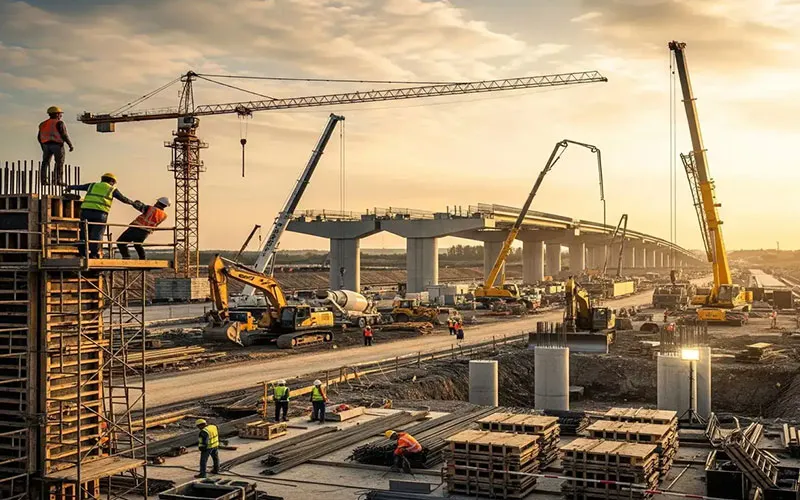
Construction Projects
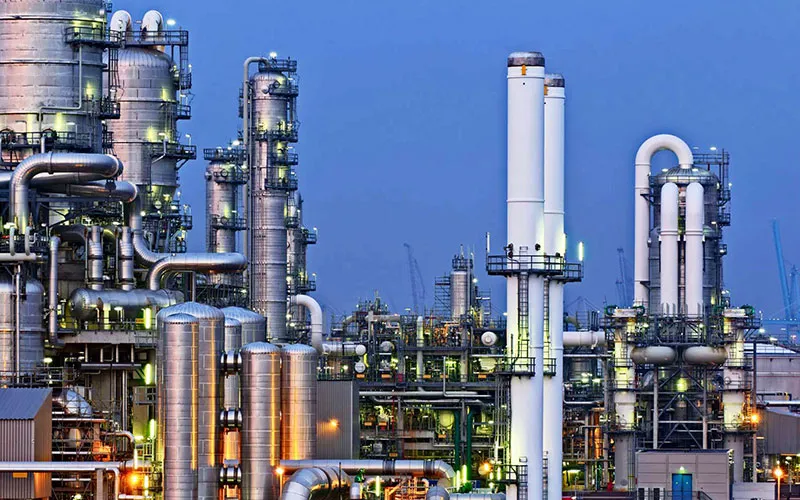
Chemical Engineering
Infrastructure
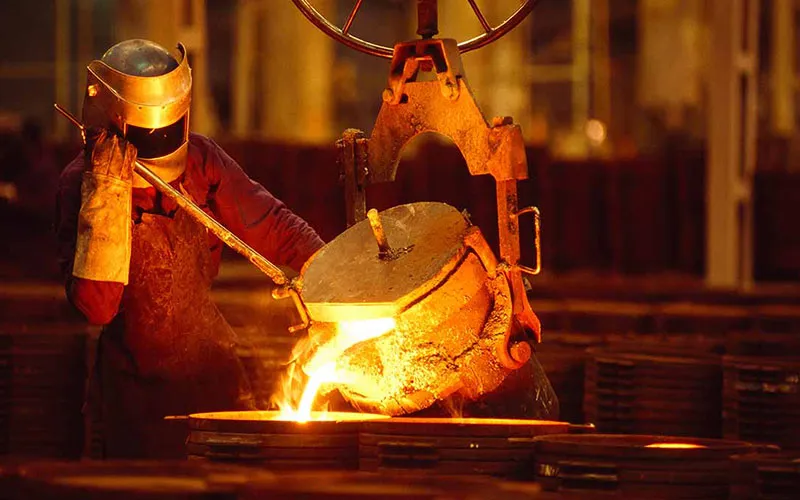
Metallurgy
Powder Grinding Plant Solutions
We offer customized solutions for various materials and production requirements.