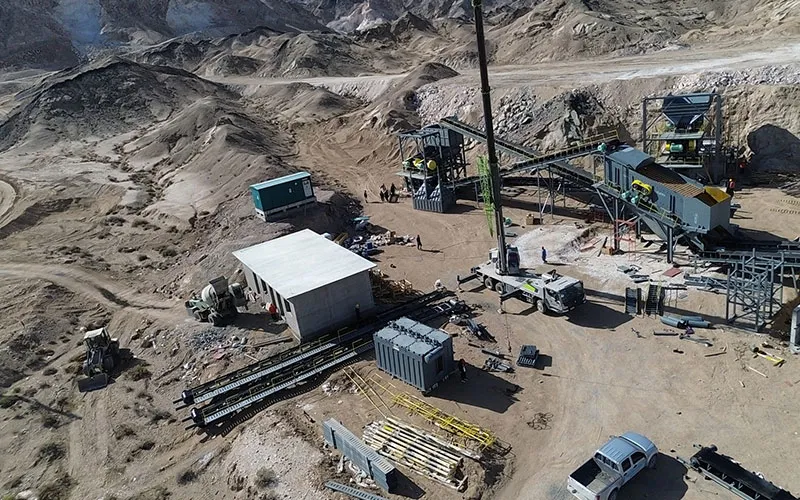
Beneficiation Plant
- Capacity: 10 – 300 TPH
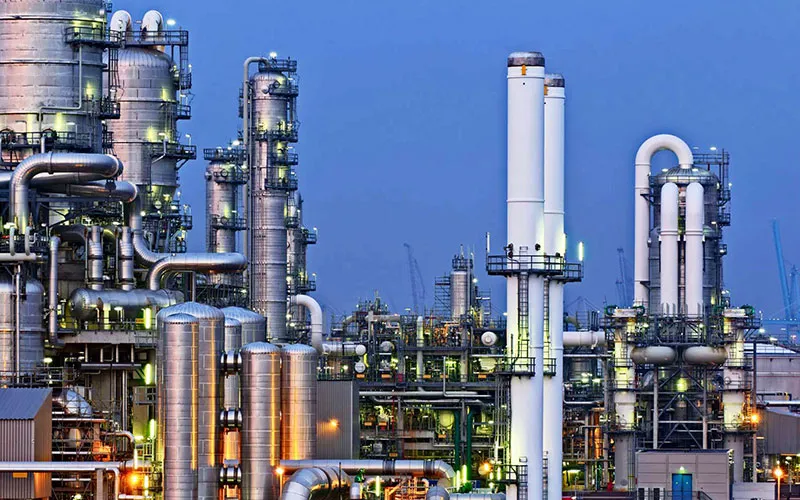
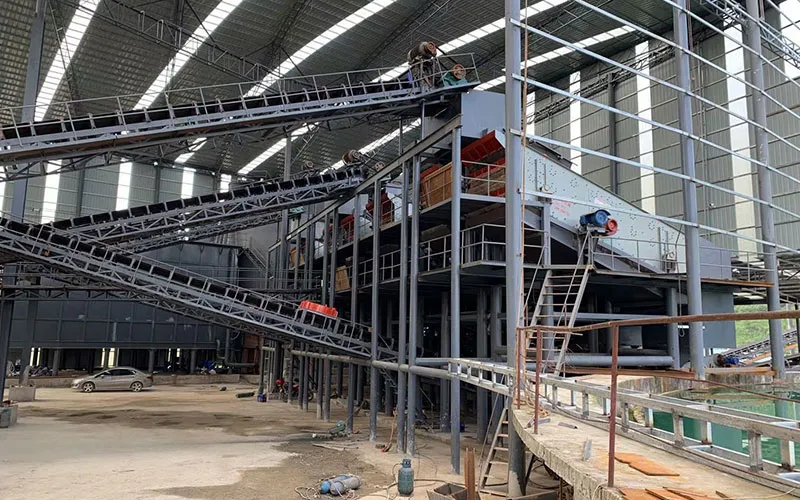
Our ore beneficiation plant caters to small- to medium-scale mining operations. The complete system integrates the entire process flow, including feeding and conveying, crushing and grinding, classification and separation and thickening and dewatering.
Run-of-mine ore is fed via vibrating feeders and belt conveyors into a jaw crusher for primary crushing, followed by secondary crushing in a cone crusher or impact crusher. A ball mill then grinds the material into a slurry, operating in a closed-loop circuit with a spiral classifier or hydrocyclone. Depending on mineral characteristics, equipment such as drum magnetic separators, flotation cells, and gravity separation equipment is selected to concentrate the valuable minerals. The slurry is thickened in a thickener, then undergoes deep dewatering using dewatering screens and filter presses, with the clarified water recycled.
The mineral beneficiation production line features a modular design suitable for processing iron ore, non-ferrous metals, precious metals, and non-metallic minerals. The equipment is highly durable and corrosion-resistant, offers a high degree of automation, and includes an integrated eco-friendly water treatment system. These lines are widely used in purification projects for various metal mines and in tailings recovery and processing operations.
Types of Material
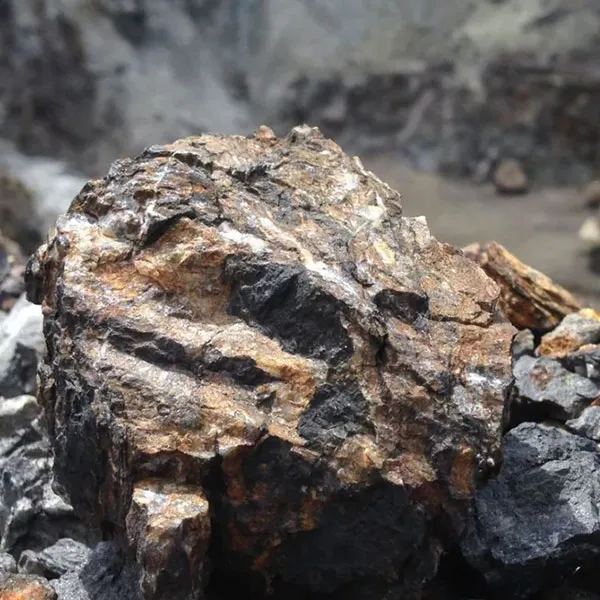
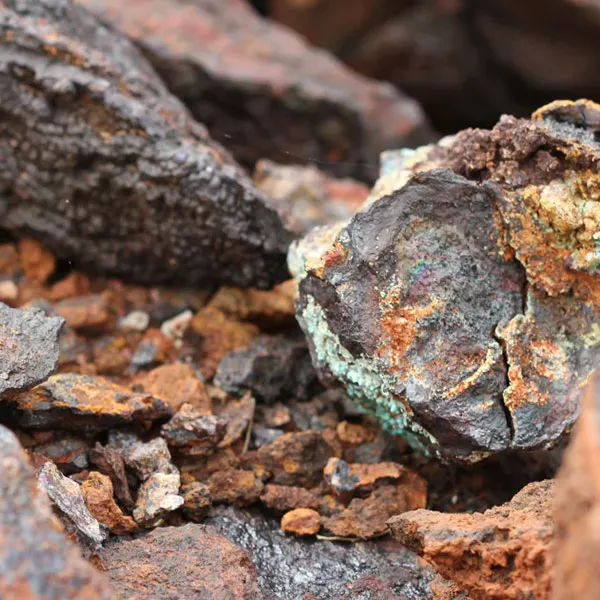
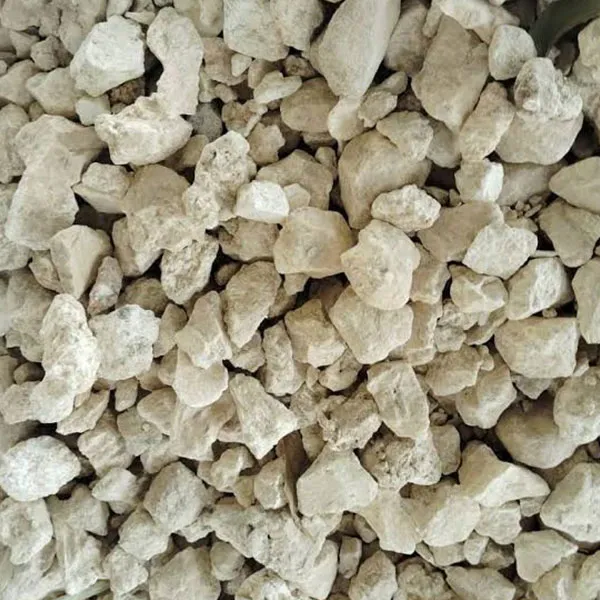
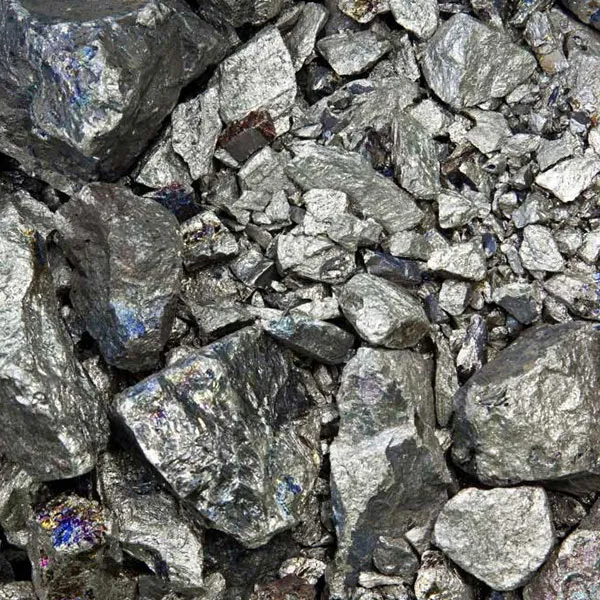
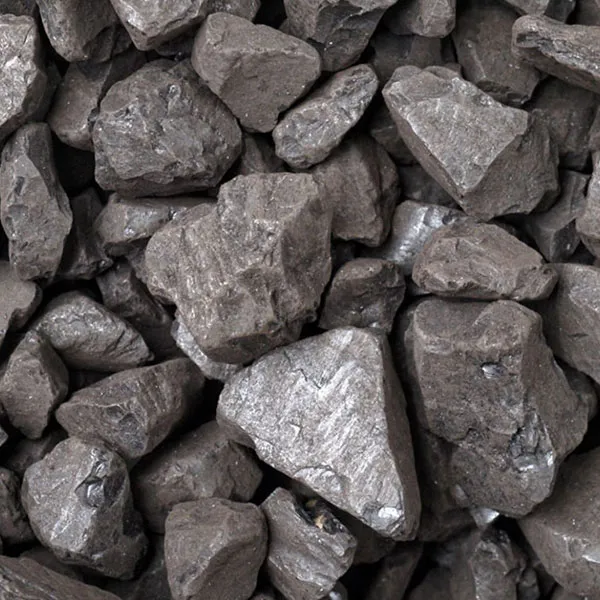
Ore crushing plant is suitable for beneficiating non-ferrous metals, precious metals, and non-metallic minerals, including iron ore, manganese ore, magnetite ore, gold ore, copper ore, quartz, chrome, silica, barytes, bauxite, and so on.
Ore Beneficiation Plant Process
01
Crushing Process
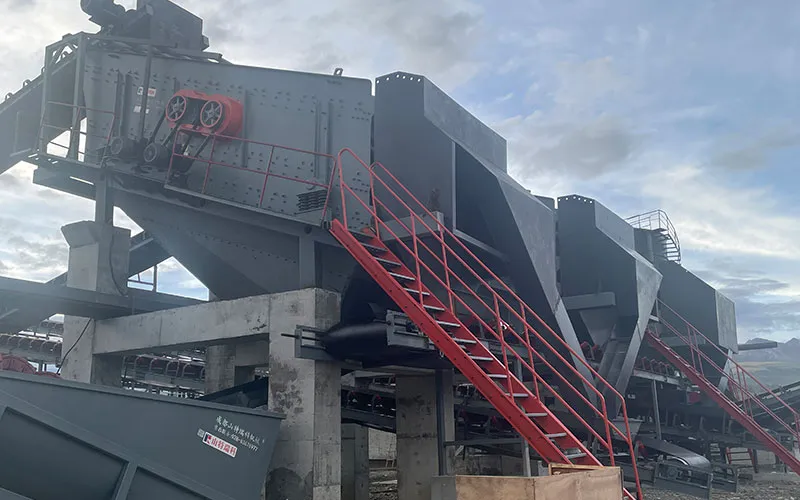
Run-of-mine ore is evenly fed by a vibrating feeder into a jaw crusher for primary crushing to 100–200 mm. It then undergoes secondary and tertiary crushing in a cone or impact crusher, reducing the size to 10–30 mm. A vibrating screen classifies the material. Sized material proceeds to the next stage, while oversized material is returned for re-crushing, establishing a closed-circuit crushing process.
02
Grinding Process
Crushed ore meeting specifications is fed into a ball mill and ground into a slurry, achieving a fineness of 0.074–0.3 mm. Classification is performed using a spiral classifier or hydrocyclone. Slurry of the required fineness proceeds to the beneficiation stage, while coarse particles are returned to the ball mill for regrinding. Discharge particle size is strictly controlled.
03
Selecting and Separating Process
Depending on ore characteristics, four mainstream beneficiation processes—gravity separation, flotation, magnetic separation, and cyanidation—can be flexibly applied:
1) Gravity separation: Suitable for coarse-grained gold ores. It exploits differences in mineral density, using jigs and shaking tables to recover liberated coarse precious-metal particles.
2) Flotation: Suitable for gold ores associated with sulfide minerals. Through reagent addition and agitation, valuable minerals adhere to air bubbles and separate from tailings, achieving mineral enrichment.
3) Magnetic separation: Suitable for magnetic minerals such as iron and manganese. It uses differences in magnetic properties to separate magnetic concentrates from non-magnetic tailings with magnetic drum separators, achieving high separation efficiency.
4) Cyanidation: Suitable for finely disseminated gold ores. It recovers fine-grained precious metals through leaching, carbon adsorption, and electrolytic purification, yielding a high-purity final product.
04
Dewatering and Refining Processes
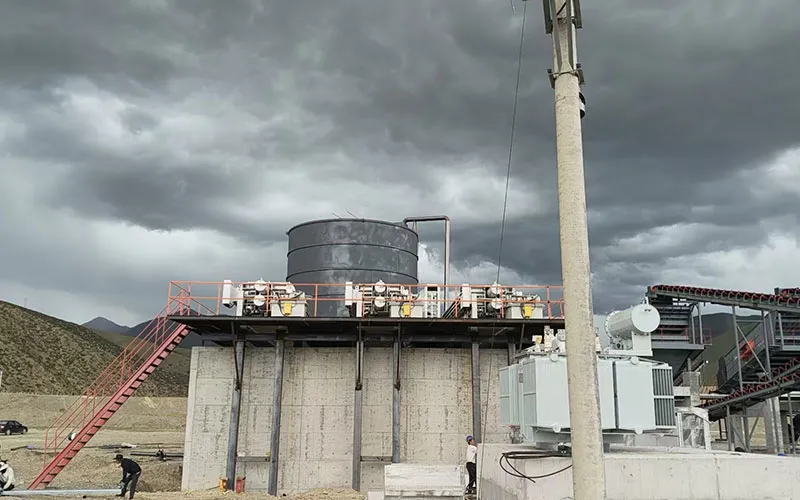
The qualified concentrate obtained from separation undergoes thickening and pressure filtration to remove excess moisture, ensuring it meets standards for transport and smelting.
05
Tailings Treatment Process
Tailings generated during production undergo dry stacking or backfilling. Production wastewater is neutralized and purified to remove harmful substances before being recycled. All discharges comply with standards throughout the process, meeting environmental requirements for production.
Mineral Beneficiation Plant Features
High recovery rates and excellent extraction performance
Process combinations—such as gravity separation, flotation, magnetic separation, and cyanidation—can be tailored to specific ore characteristics, making the system suitable for oxidized, sulfide, and complex ores containing associated minerals. Precise control over grinding fineness and reagent ratios enables mineral recovery rates exceeding 90%, significantly minimizing resource loss.
Strong adaptability and flexible process configuration
A modular design allows for customized workflows for gold in lode, placer, and complex mixed ores. Gravity separation is used for coarse gold, flotation for fine gold and combined processes for complex ores. The entire configuration can also be optimized to meet specific production capacity requirements.
Compact footprint and high investment value
The process layout is compact, requiring minimal land area and low initial investment. By-products such as associated silver and sulfur can be recovered, adding significant value. Rapid commissioning and a short payback period ensure substantial economic returns.
Application of Ore Beneficiation Plant
Mineral Beneficiation Plant Solutions
We offer customized solutions for various materials and production requirements.
Iron Ore Beneficiation Plant
Phosphate Beneficiation Plant
Bauxite Beneficiation Plant