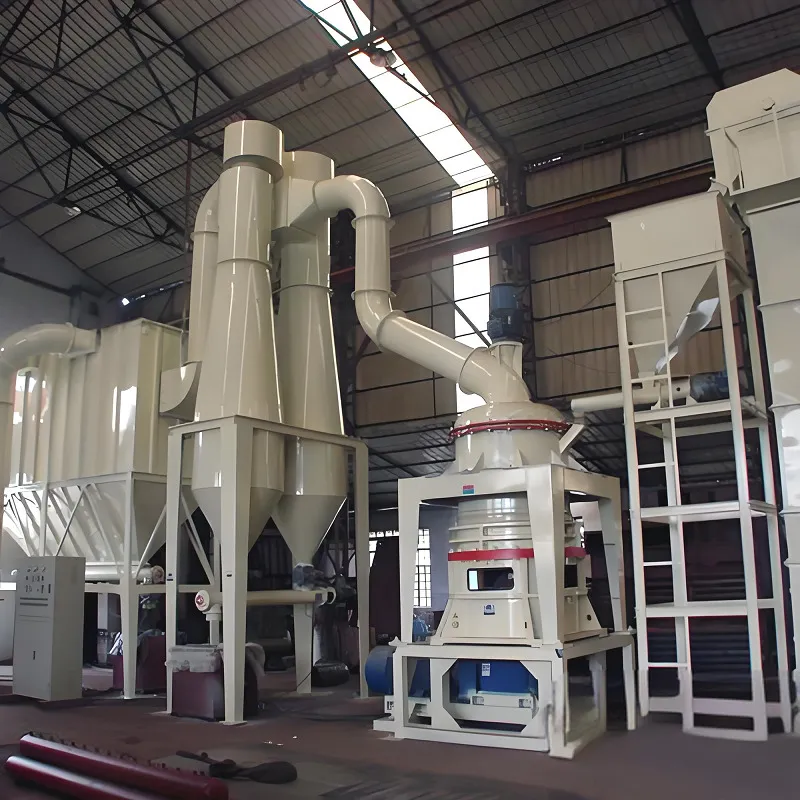

As a highly efficient and energy-saving grinding device, the Raymond grinding roller mill plays a vital role in modern industrial production. It is suitable for processing various materials—such as raw mineral ores, gypsum, and coal—into fine powders. Its operation relies on the crushing and grinding action between grinding rollers and a grinding ring; airflow conveyance and cyclone separation are then used to produce fine and ultrafine powders.
Sandreck’s Raymond grinding mills offer advantages such as high efficiency, energy savings, high product fineness, ease of operation, and excellent environmental performance, making them widely used in industries including mining, construction materials, chemicals, and metallurgy.

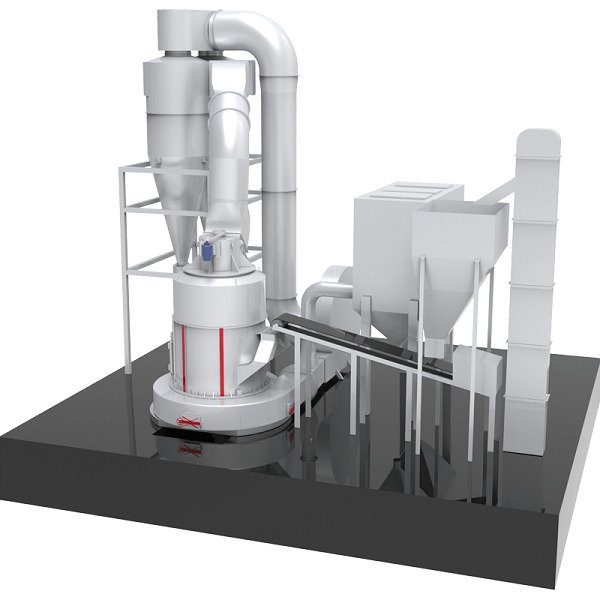
Structure of Raymond Grinding Roller Mill
| Grinding System | Classification System | Collection System | Dust Removal System | Airflow System |
| Composed of grinding rollers, grinding rings, plows, a spider assembly, a motor, a gearbox, etc. | Utilizes a dynamic classifier consisting of a rotor and blades. | Design of a parallel dual-cyclone collector | Utilizes a pulse-jet bag filter | Composed of fans and ductwork |
| Responsible for grinding the material | Controls the fineness of the finished product | Collects the majority of the finished fine powder | Collects residual dust and purifies exhaust gas | Provides system airflow and creates a sealed, negative-pressure environment |
Raymond Grinding Mill Working Principle
After large pieces of stone are thoroughly crushed by a stone crusher, they are transported by a bucket elevator to a storage hopper, from which an electromagnetic vibrating feeder delivers them in a controlled manner into the main unit for grinding.
Inside the main unit, the grinding roller assembly—suspended from a spider frame—rotates around the central axis, while the rollers simultaneously spin on their own axes. Driven by centrifugal force, the rollers swing outward to press against the grinding ring. Material scooped up by the rotating blades is thrown into the space between the rollers and the ring, where the rolling action of the rollers pulverizes and grinds the material. Airflow from a blower carries the resulting powder up to a classifier located above the main unit. Particles that are too coarse fall back into the main unit for regrinding due to gravity, while fine powder that meets specifications is carried by the airflow into a large cyclone collector. The collected material is then discharged through the outlet pipe as the finished product.
Features of Raymond Grinding Roller Mill
1. High Efficiency and Energy Saving
The Raymond mill utilizes a circulating grinding and pneumatic conveying process, resulting in high grinding efficiency and low energy consumption. Compared to traditional mills, it reduces energy consumption by approximately 20% for the same output.
2. High Fineness
The Raymond grinding roller mill is capable of grinding materials to a fineness of 325 mesh or even finer, meeting the specific requirements of various industries.
3. Ease of Operation
Featuring a simple structure, the Raymond grinding mill machine is easy to operate and maintain. It is equipped with an advanced automated control system that enables remote monitoring and operation.
4. Environmentally Friendly
The Raymond mill incorporates multiple dust removal and noise reduction measures during production, effectively minimizing dust and noise pollution.

Raymond Grinding Mill Applications
As industrial powder-making equipment, the Raymond grinding roller mill is widely used in the following industries due to its high efficiency, energy-saving capabilities, and stable performance:
- Mining industry: Used for processing fine and ultrafine powders from ores such as limestone, calcite, and talc.
- Construction materials industry: Used for grinding materials such as cement, ceramics, and glass.
- Chemical industry: Used for grinding chemical raw materials such as barite and fluorite.
- Metallurgical industry: Used for grinding metal ores such as iron ore and manganese ore.
Technical Parameters of Raymond Grinding Roller Mill
| Mode | Roller Number | Roller Size (mm) | Max Feed Size(mm) | Fineness of Powder(mm) | Output(t/h) | Motor Power (kW) | Blower Power (kW) | Overall Dimension(mm) |
| QBM4528 (QBM160) | 6 | 450×280 | 15-35 | 0.613-0.044 | 5-22 | 132 | 132 | 12500x5700x8300 |
| QBM4121 (5R4119) | 5 | 410×210 | 15-25 | 0.613-0.044 | 4-10 | 75 | 75 | 7850x8000x9700 |
| QBM9517 (4R3216) | 4 | 310×170 | 15-25 | 0.025-0.005 | 1.5-8 | 37 | 30 | 7100x5900x7900 |
| QBM3016 | 3 | 300×160 | 15-20 | 0.025-0.005 | 0.35-4 | 22 | 18.5 | 5300x4100x5200 |
| QBM8314 (3R2715) | 3 | 270×140 | 15-20 | 0.025-0.005 | 0.35-3.4 | 22 | 18.5 | 5300x4100x5200 |
| QBM7815 (3R2615) | 3 | 260×150 | 15-20 | 0.025-0.005 | 0.28-3 | 18.5 | 15 | 4300x3500x5100 |
| QBM6515 (3R2115) | 3 | 210×150 | 12-20 | 0.613-0.033 | 0.25-2 | 15 | 11 | 4100x3800x 4500 |


Related products
-
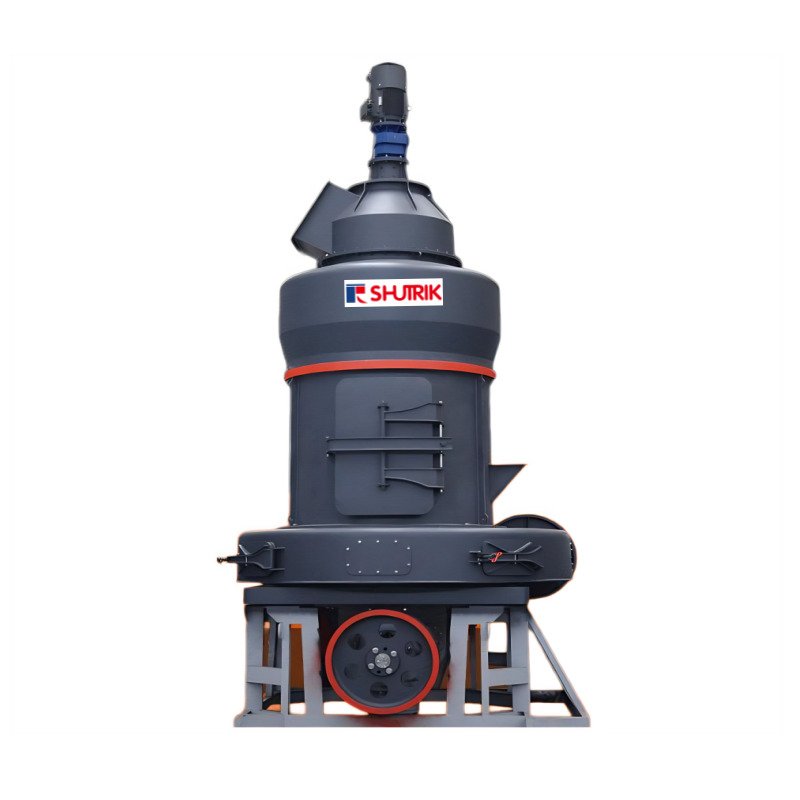
Ultrafine Grinding Mill
Ultrafine grinding mills are pulverizing machines designed to produce ultrafine powders. They are primarily used in industries such as non-metallic minerals, chemicals, construction materials, and coatings. These grinding mills can process minerals—including limestone, calcite, marble, heavy calcium carbonate, pyrophyllite, and talc—into ultrafine powder.
- Capacity: 3 – 25 t/h
- Feed Size: ≤ 15 mm
- Output Size: 300 – 3000 mesh
-
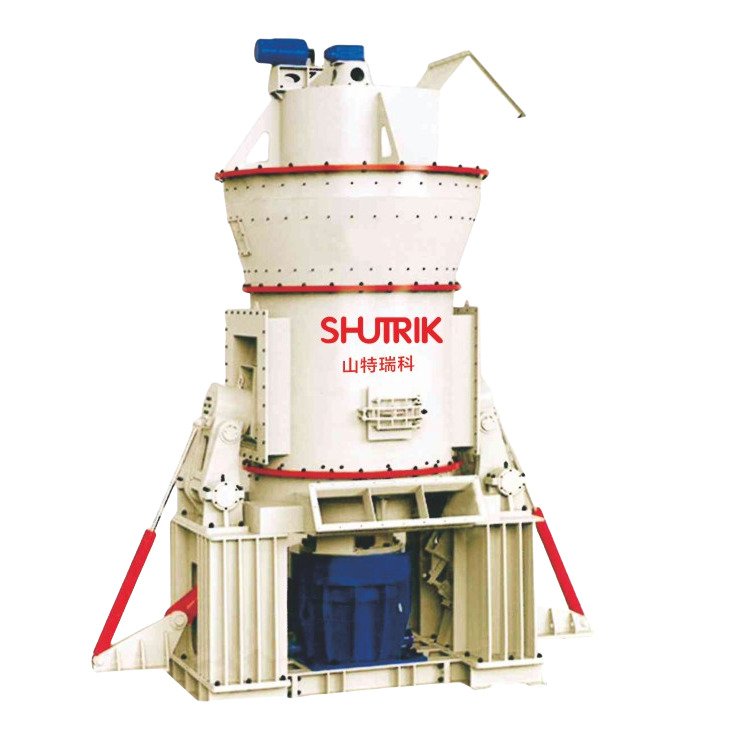
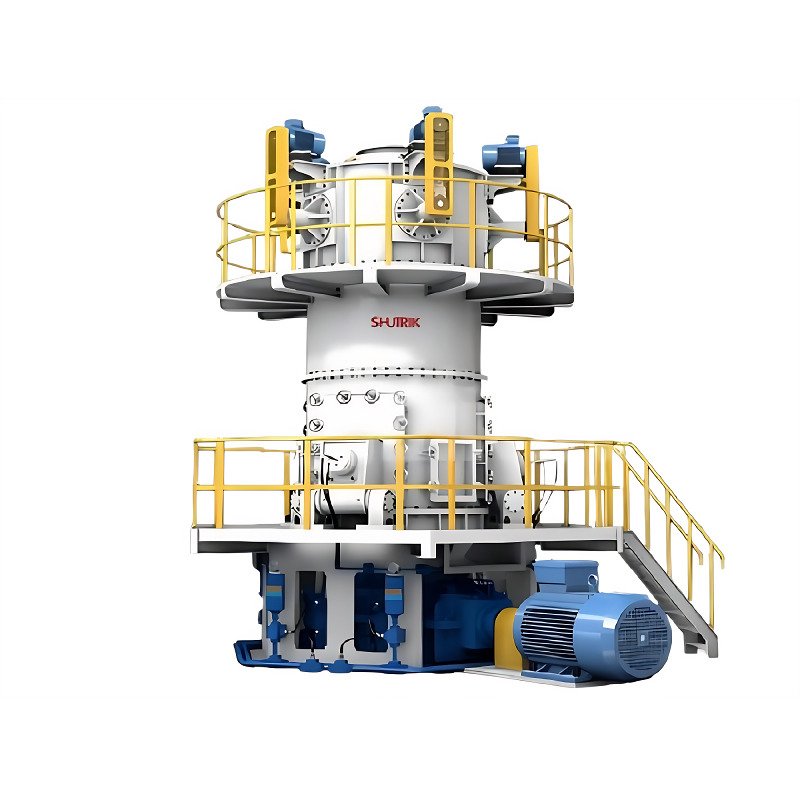
Vertical Roller Mill Machine
The vertical roller mill machine is a high-efficiency grinding machine that integrates crushing, grinding, drying, classifying, and conveying. Its core principle is based on material bed grinding technology, achieving material pulverization through the relative motion between grinding rollers and the grinding table.
- Capacity: 10 – 400 t/h
- Feed Size: ≤ 55 mm
- Output Size: 20 – 400 mesh
-
Vertical Grinding Mill
The vertical grinding mill integrates the functions of fine crushing, grinding, drying, classifying, and conveying. The system is simple, easy to operate and adjust, and features a high degree of automation. It is suitable for both large-scale and ultra-large-scale industrial production, as well as for small- and medium-scale operations.
- Capacity: 10 – 400 t/h
- Feed Size: ≤ 55 mm
- Output Size: 20 – 400 mesh
-
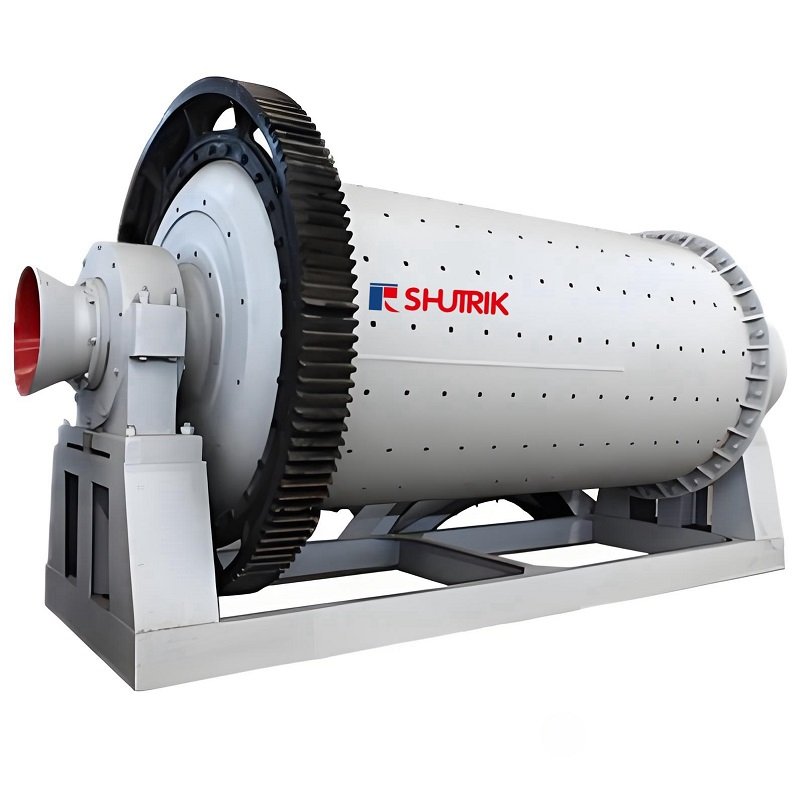
Ball Grinding Mill
A ball mill grinder is a grinding machine that uses steel balls as the grinding medium. It can crush and grind materials to a fineness of 35 mesh or finer and is suitable for use in open-circuit or closed-circuit grinding processes.
- Capacity: 0.65-130 t/h
- Feed Size: ≤ 25 mm
- Output Size: 0.074-0.89 mm
-
Grinding Rod Mill
Grinding rod mills are primarily utilized in the first stage of open-circuit grinding for coarse- to fine-size reduction. They are particularly well-suited for brittle ore materials. Our rod mills offer the advantages of uniform product particle size and high throughput.
- Capacity: 100-500 t/h
- Feed Size: <25 mm
- Output Size: 0.074-5 mm
-
Rod Mill Equipment
Rod mill equipment is primarily used for coarse grinding operations. They are suitable for the fine crushing and coarse grinding of ores and are particularly well-suited for processing brittle materials. They are widely used in the production of manufactured sand, as well as in mineral processing plants, chemical plants, and the power industry.
- Capacity: 100-500 t/h
- Feed Size: <25 mm
- Output Size: 0.074-5 mm