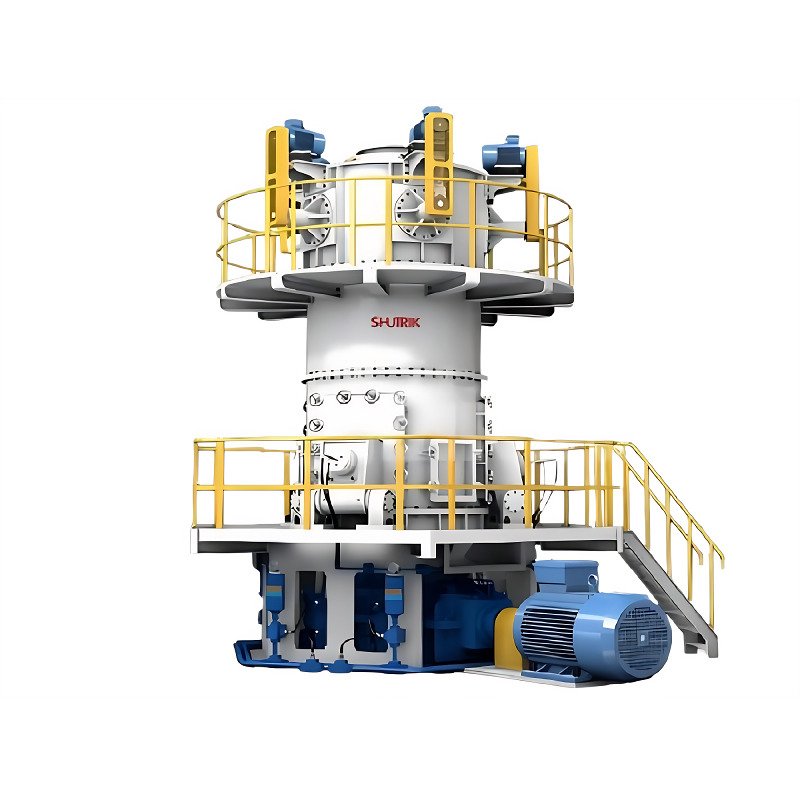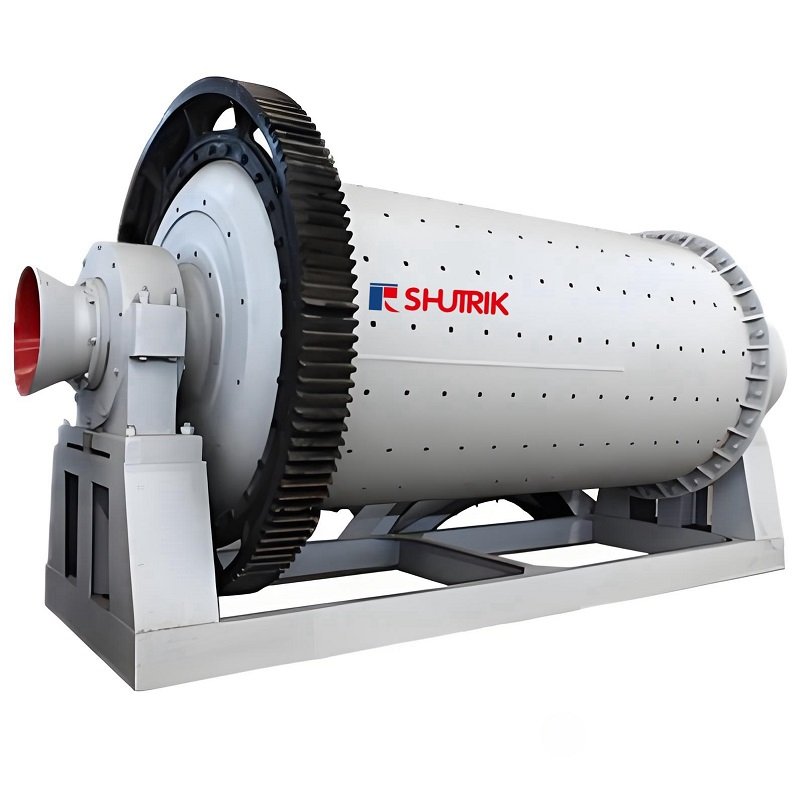
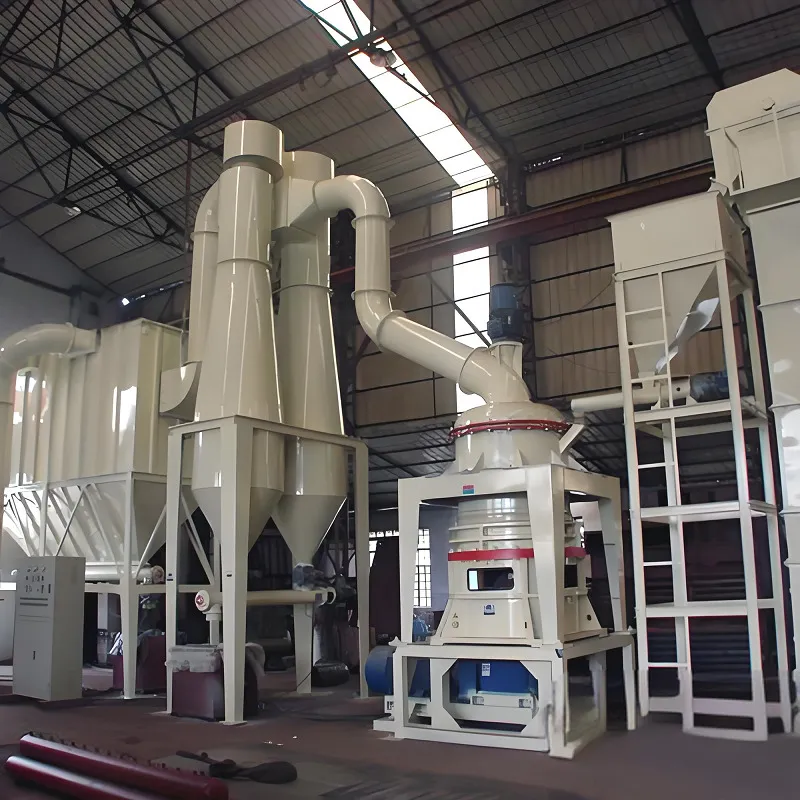
Sandreck‘s ultrafine grinding mill is designed to precisely process powders ranging from medium to ultrafine (300–3000 mesh). Using centrifugal rolling and layered pulverization, the equipment handles everything from coarse crushing to ultrafine powder production. It meets the rigorous particle-size, purity, and consistency standards required by high-end sectors such as photovoltaics, semiconductors, and silicon carbide manufacturing.
This ultrafine grinding mill is a highly efficient, energy-saving powder-processing machine. It is primarily used to ultrafine grind materials such as non-metallic minerals, barite, talc, gypsum, petroleum coke, silica, brucite, aluminum hydroxide, titanium dioxide, wollastonite, kaolin, bentonite, rare earth elements, metallic silicon, silicon powder, and silicon carbide. It delivers outstanding performance in producing ultrafine powders in the 300–3000 mesh range.

The equipment replaces the complex grinding and classification processes of traditional jet mills and ball mills, significantly reducing production costs and improving product fineness.
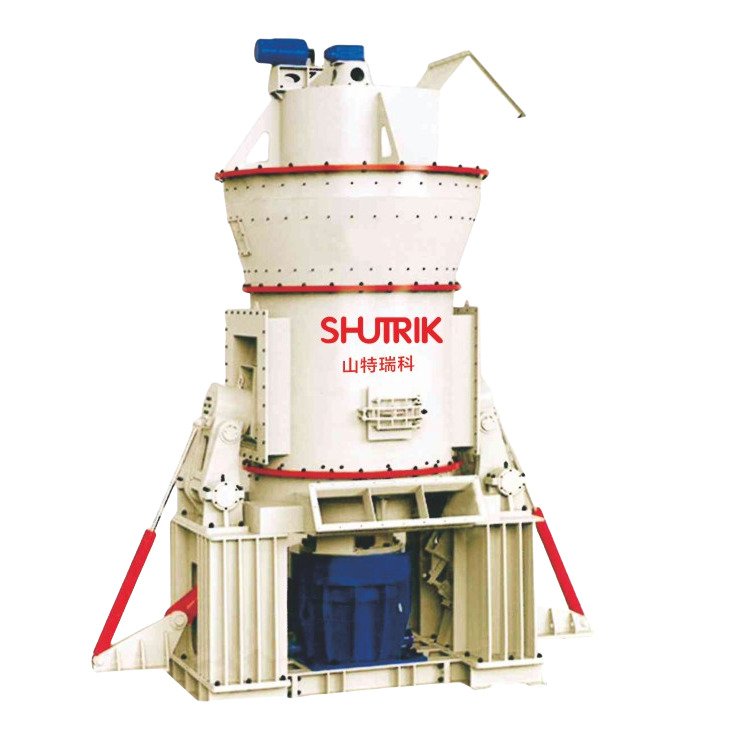
Structure of the Ultrafine Grinding Mill
| Grinding Ring and Grinding Roller | Classification System | Drive System | Auxiliary Systems |
| Driven by centrifugal force, the grinding roller presses against the grinding ring and rotates at high speed, crushing the material into powder. Grinding rollers and rings made of special wear-resistant steel help extend the equipment’s service life. | Available in internal or external configurations. The fineness of the finished product is controlled by adjusting the rotational speed to meet the requirements of various applications. | The motor drives the main shaft through a gearbox, rotating the grinding rollers and the classifying wheel. This high-quality drive system offers high efficiency, low noise, and easy maintenance. | These include the feeder, cyclone collector, dust collector, and fan. The feeder ensures uniform material feeding, the cyclone collector gathers the finished product, the dust collector ensures environmental compliance, and the fan provides the necessary airflow. |
Ultrafine Grinding Mill Working Principle
During the operation of the ultrafine grinding mill, the main motor drives the rotation of the main shaft and turntable via a speed reducer. The turntable uses pin shafts to drive dozens of grinding rollers to rotate and roll within the grinding ring. Driven by centrifugal force, the material spreads outward and falls into the grinding chamber, where the rollers subject it to impact, rolling, and grinding. The material undergoes multi-stage crushing and repeated grinding to become fine powder.
As a high-pressure fan continuously draws air out of the unit, the crushed material is carried by the incoming airflow into the classifier. A high-speed rotating impeller sorts the material. Oversized particles fall back for regrinding, while qualified material travels with the airflow into the cyclone collector. The powder settles and is discharged through the bottom discharge valve as the finished product.
A small amount of fine dust enters the dust collector with the airflow and adheres to the filter bags. Pulse valves control a momentary blast of high-pressure air from inside the bags. The sudden shaking causes the adhering dust to fall off. A conveyor at the bottom collects the material from both sources and transports it for final packaging. The filtered, clean air is then exhausted through the silencer outlet.

Advantages of Ultrafine Grinding Mill
Concentrated Particle Size Distribution: The ultrafine grinding mill combines material-bed grinding with high-precision turbine classification, effectively minimizing coarse particles and over-grinding to achieve a narrow, concentrated particle size distribution.
Ultrafine Classification: It consistently produces ultrafine powder ranging from 300 to 3000 mesh, with precise control over fineness (e.g., D97 < 5 μm; >70% of particles < 2 μm).
Precision Classification: A secondary classification system is available. The ultrafine grinding mill not only produces superior-quality ultrafine powder with a highly concentrated particle-size distribution but can also produce two fineness grades simultaneously.
High Integration: The ultrafine grinding machine integrates crushing, grinding, classification, and drying processes. Drying and grinding occur simultaneously, and energy consumption is about 60% lower than traditional ball mill systems.
Low Noise and Eco-friendly: The grinding rollers do not directly contact the grinding table. This results in minimal wear and low noise levels, reducing iron contamination and ensuring powder purity and whiteness.

Ultrafine Grinding Mill Applications
Ultrafine grinding mills are widely used in industries such as chemicals, construction materials, mining, electric power, pharmaceuticals, and new materials. They enable processing powders at the micron or even nano scale, improving product quality and production efficiency.
These Ultra-fine grinding mills are primarily used to finely process non-metallic minerals, metal oxides, and certain organic materials. Typical materials include calcite, kaolin, talc, barite, gypsum, dolomite, bentonite, mica, graphite, titanium dioxide, silicon powder, silicon carbide, and rare-earth materials. The equipment can process brittle materials with a Mohs hardness up to 7 (some models can handle up to 9) and a moisture content below 6%, making it suitable for pharmaceutical, food-grade, and eco-friendly materials.
Technical Parameters of Ultrafine Grinding Mill
| Specifications | LVM15-3X | LVM16-3X | LVM17-3X |
| Main Mill Power (KW) | 220-280 | 315-400 | 355-450 |
| Blower Power (KW) | 180-200 | 250-280 | 325-355 |
| Multiple Separator Powder x Q’ty | 15KW x6 | 22KW x6 | 22KW x 8 |
| Input Size (mm) D90 | <10, max 15mm | <10, max 15mm | <10, max 15mm |
| Input Moisture | <3% | <3% | <3% |
| Quantity or Rollers (pcs) | 3 | 3 | 3 |
| Capacity with D30, 2µm (t/h) | 9-12 | 12-16 | 14-18 |
| Capacity with D45, 2µm (t/h) | 5.5-7.5 | 7-9 | 10-12 |
| Capacity with D60, 2µm (t/h) | 3-4 | / | / |
Note: The Mohs hardness of the materials to be ground cannot be above 5.


Related products
-
Micro Powder Grinding Mill
The micro powder grinding mill is an advanced piece of equipment designed for the dry, superfine grinding of non-metallic powders. It is widely used in applications such as calcium carbonate pulverization, gypsum powder processing, power plant desulfurization, non-metallic mineral powder production, and pulverized coal preparation. The finished products find extensive application across various sectors, including construction, building materials, glass, ceramics, and the chemical industry.
- Capacity: 0.5 – 25 t/h
- Feed Size: ≤ 20 mm
- Output Size: 325 – 3250 mesh
-
Vertical Roller Mill Machine
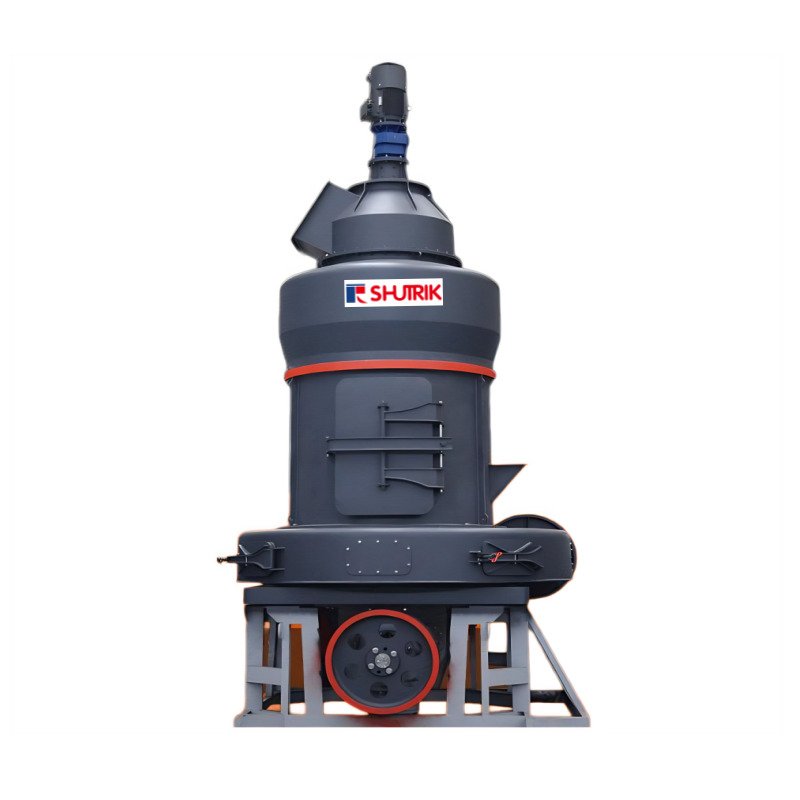
The vertical roller mill machine is a high-efficiency grinding machine that integrates crushing, grinding, drying, classifying, and conveying. Its core principle is based on material bed grinding technology, achieving material pulverization through the relative motion between grinding rollers and the grinding table.
- Capacity: 10 – 400 t/h
- Feed Size: ≤ 55 mm
- Output Size: 20 – 400 mesh
-
Vertical Grinding Mill
The vertical grinding mill integrates the functions of fine crushing, grinding, drying, classifying, and conveying. The system is simple, easy to operate and adjust, and features a high degree of automation. It is suitable for both large-scale and ultra-large-scale industrial production, as well as for small- and medium-scale operations.
- Capacity: 10 – 400 t/h
- Feed Size: ≤ 55 mm
- Output Size: 20 – 400 mesh
-
Ball Grinding Mill
A ball mill grinder is a grinding machine that uses steel balls as the grinding medium. It can crush and grind materials to a fineness of 35 mesh or finer and is suitable for use in open-circuit or closed-circuit grinding processes.
- Capacity: 0.65-130 t/h
- Feed Size: ≤ 25 mm
- Output Size: 0.074-0.89 mm
-
Grinding Rod Mill
Grinding rod mills are primarily utilized in the first stage of open-circuit grinding for coarse- to fine-size reduction. They are particularly well-suited for brittle ore materials. Our rod mills offer the advantages of uniform product particle size and high throughput.
- Capacity: 100-500 t/h
- Feed Size: <25 mm
- Output Size: 0.074-5 mm
-
Rod Mill Equipment
Rod mill equipment is primarily used for coarse grinding operations. They are suitable for the fine crushing and coarse grinding of ores and are particularly well-suited for processing brittle materials. They are widely used in the production of manufactured sand, as well as in mineral processing plants, chemical plants, and the power industry.
- Capacity: 100-500 t/h
- Feed Size: <25 mm
- Output Size: 0.074-5 mm