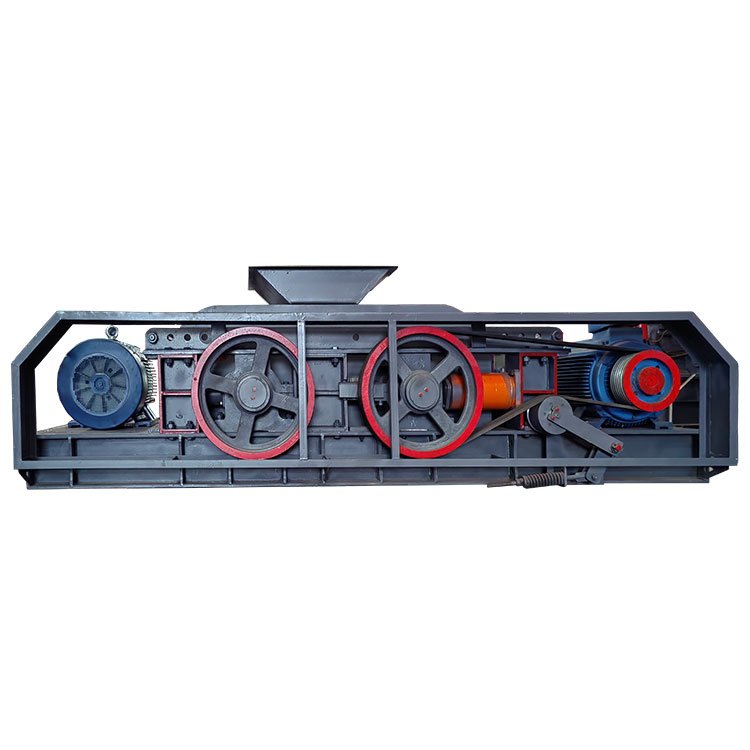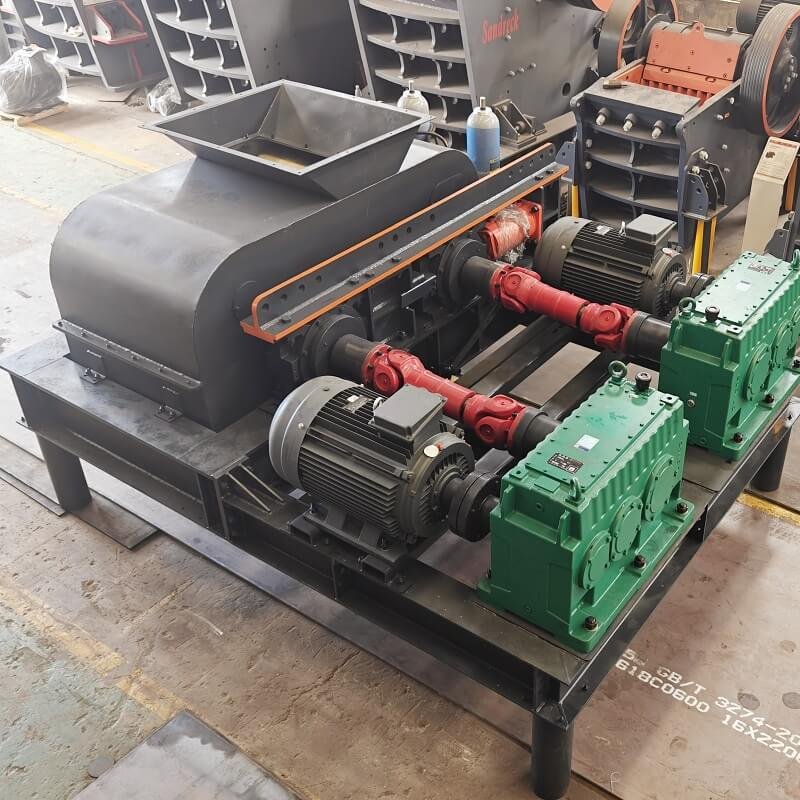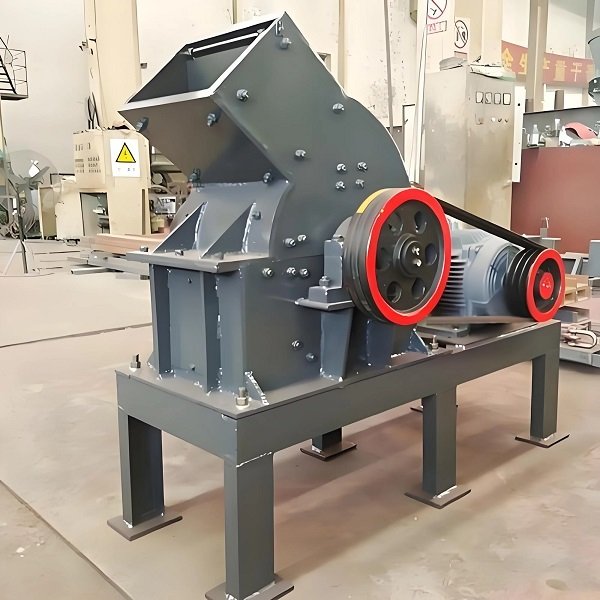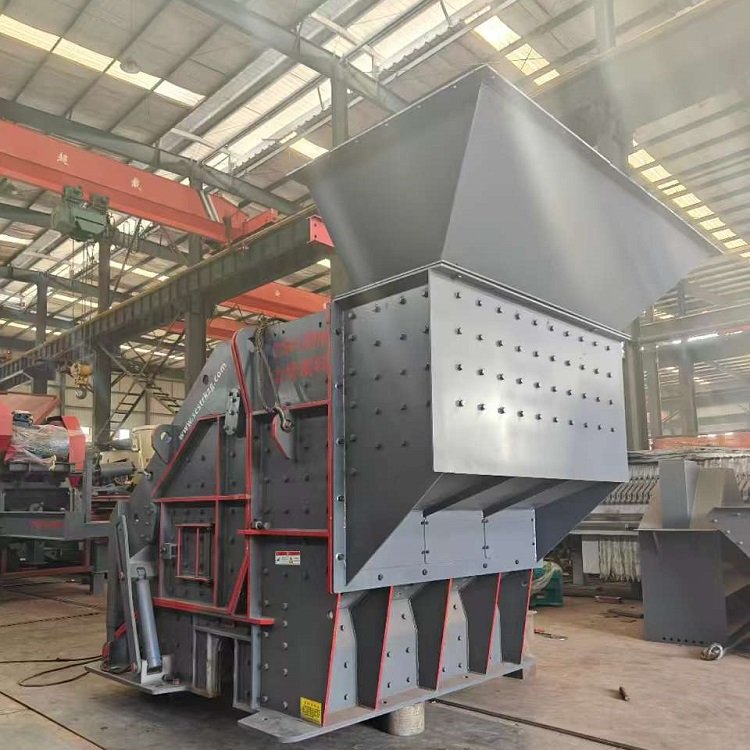
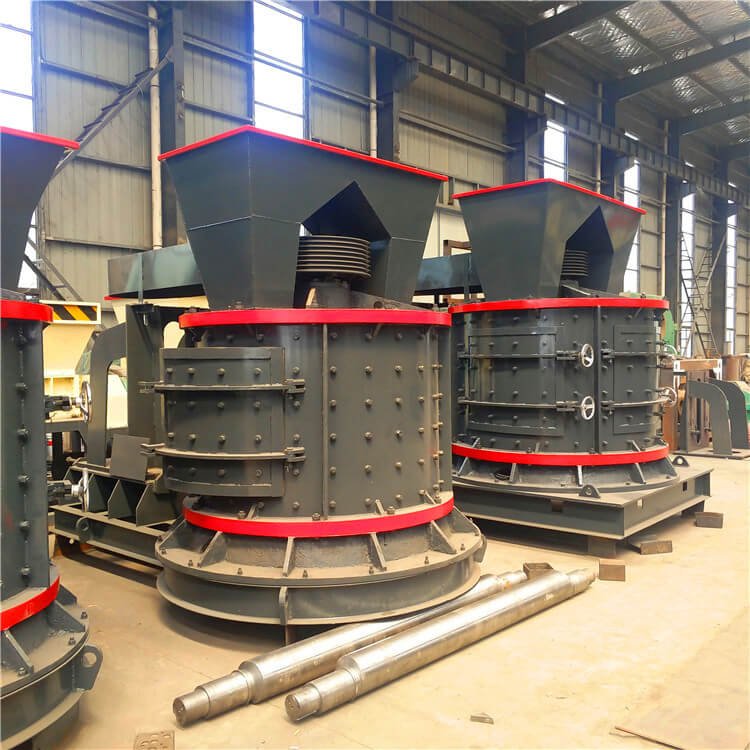
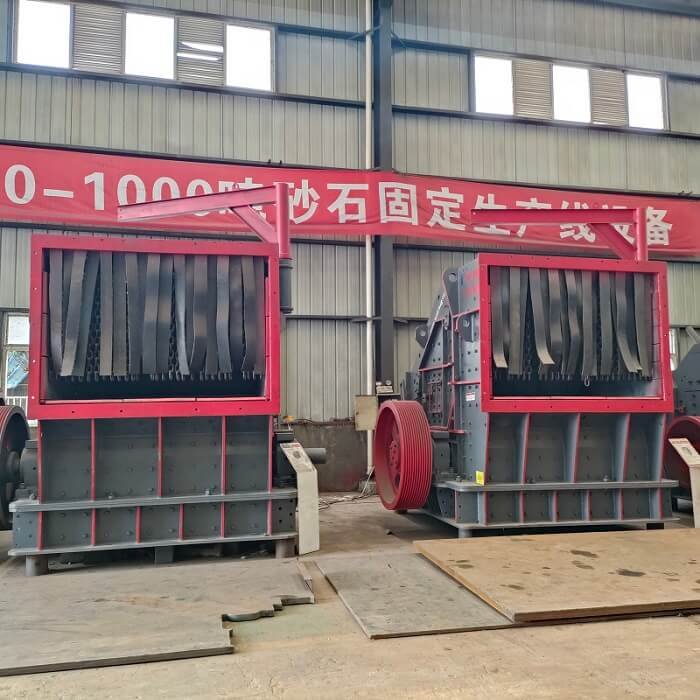
The compound crusher for sale, designed and developed by Sandreck, serves the dual functions of fine crushing and coarse grinding. It is a stone crushing machine that utilizes both impact and grinding principles. Its innovative internal structural design allows for a high crushing ratio, and the output particle size can be adjusted as needed.
As a highly efficient piece of fine-crushing equipment, the compound crusher integrates the features of both hammer crushers and impact crushers. It offers significant advantages, including high production capacity, superior crushing efficiency, a large crushing ratio, minimal wear, low energy consumption, excellent sealing, stable operation, and ease of maintenance.
The vertical compound crusher boasts a high crushing ratio, reaching up to 30, and allows for flexible adjustment of the output particle size, which remains unaffected by the wear of blow bars or liner plates. Designed without screen bars, it is resistant to clogging, even when processing materials with high moisture or clay content. It incorporates an elastic adjustment mechanism that allows uncrushable objects to be discharged automatically, preventing damage to the equipment. The bearings are arranged horizontally, ensuring a longer service life and enabling the processing of high-temperature materials (such as cement clinker).
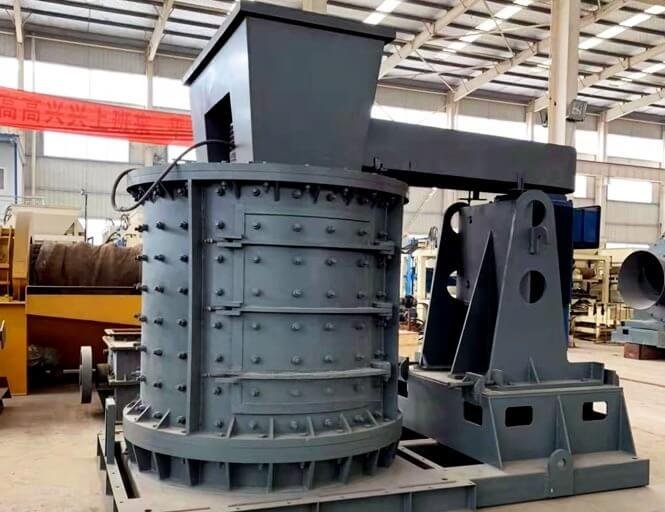
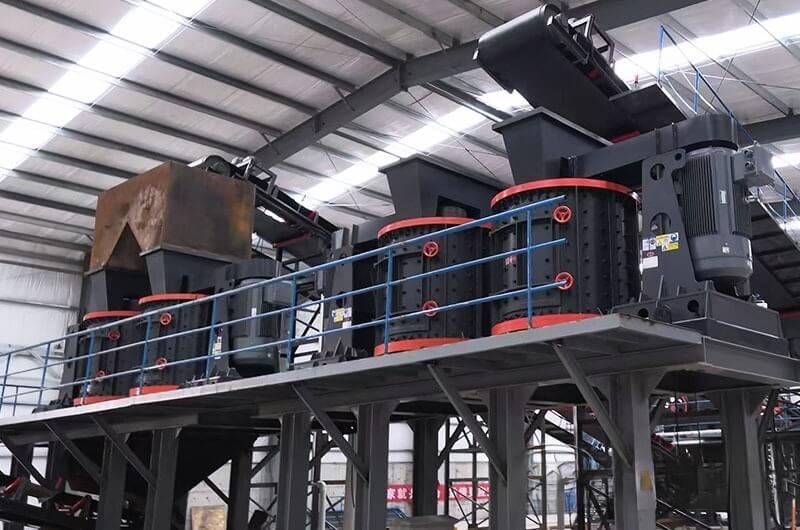
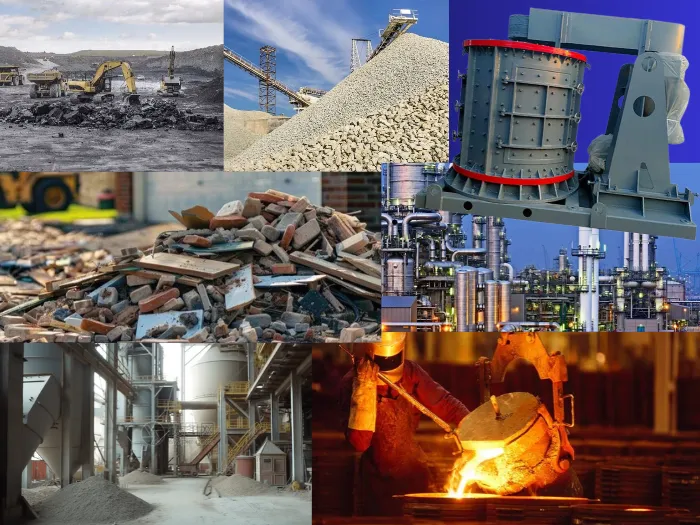
The compound crusher for sale serves as a core component in stone crushing and sand-making production lines. It is widely used across various sectors, including cement, construction materials, mining, metallurgy, refractory materials, coal, glass, ceramics, and power generation.
Compound Crusher Working Principle
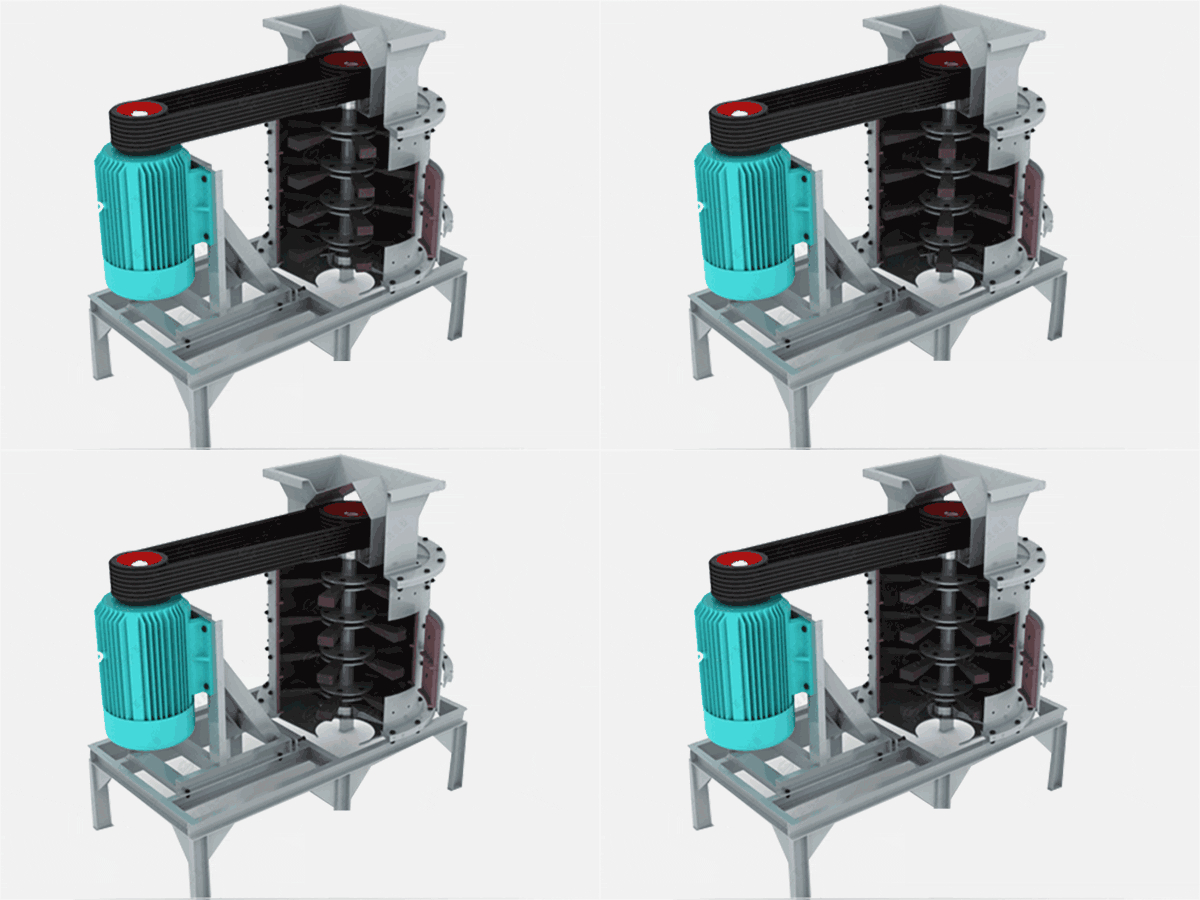
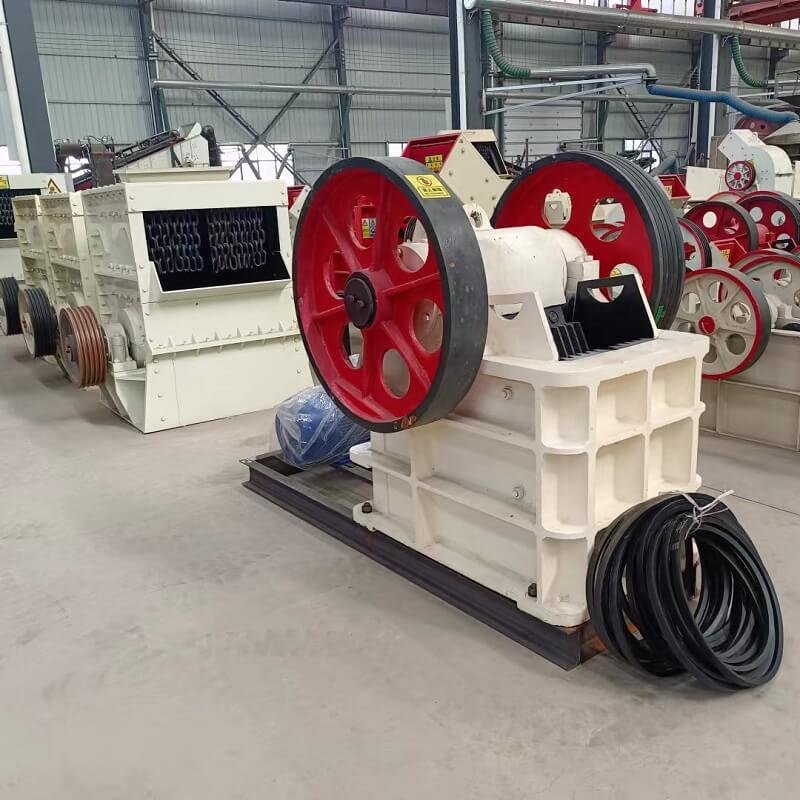
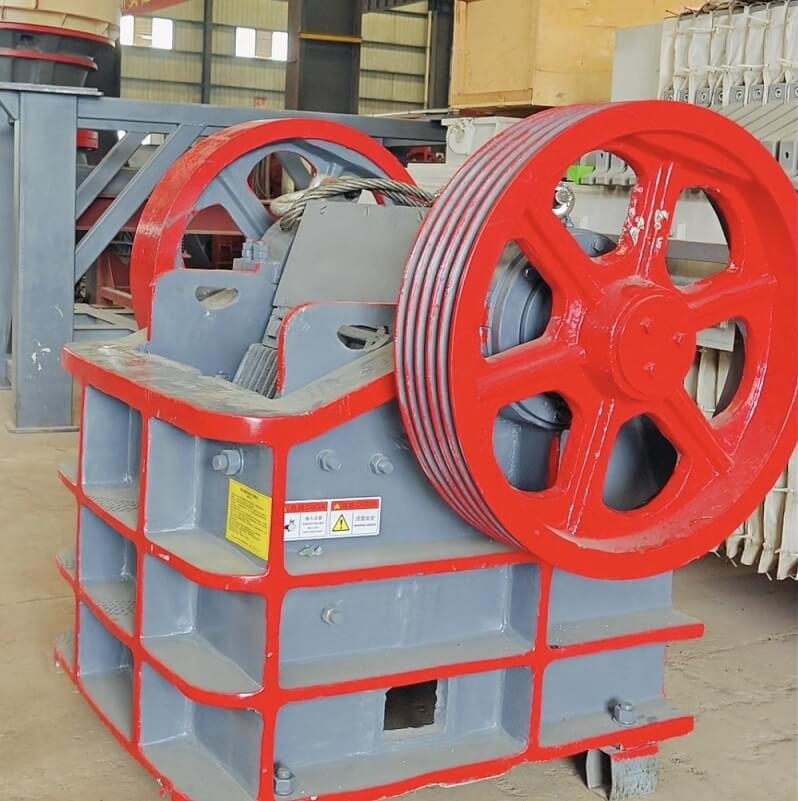
When the compound crusher is started, the motor drives the pulley to rotate via V-belts. As the pulley turns, the main shaft rotates concentrically, causing the impeller—housed within the crushing chamber—to spin at high speed. The pulley is mounted on the vertical main shaft of the compound crusher.
Material enters the high-speed rotating impeller vertically from the top of the crusher. Under the influence of high-speed centrifugal force, the material collides with and is crushed by other material that has been distributed in an umbrella-like pattern around the impeller. Following these initial collisions, the material creates a vortex between the impeller and the crusher housing, leading to further impacts and friction that result in additional size reduction. Once the material reaches the desired particle size, it is discharged directly from the bottom of the unit.
Features of Compound Crusher
- Capable of both fine and coarse crushing.
- The compound crusher is relatively insensitive to the moisture content of the material, which can be as high as approximately 8%.
- Designed without screen bars, it is less prone to clogging when processing materials with high moisture or clay content.
- Optimized design of the rotor and crushing chamber creates a multi-stage, continuous crushing zone, ensuring efficient use of energy and space, thereby enhancing overall machine performance.
- Features a unique throwing disc design, with throwing ribs and liners arranged in an alternating, circumferential pattern. Once the throwing ribs become worn, they can be repurposed as liners, significantly improving material utilization and reducing operating costs.
- Operates smoothly with low noise and minimal vibration. Easy to operate, compact in footprint, and convenient for installation and maintenance.
Compound Crusher Applications
1) Cement Industry
- Fine crushing of cement raw mix, limestone, clinker, and gypsum.
- Commonly used in technical upgrades for existing cement plants; capable of processing high-temperature clinker and raw materials with relatively high moisture content.
2) Sand, Gravel, and Manufactured Sand
- Processing of limestone, dolomite, weathered rock, and river pebbles to produce construction sand, base-layer materials, and roadbed aggregates.
- Ideal for small-scale sand-making lines, enabling the production of fine materials in a single crushing stage and eliminating the need for secondary crushing.
3) Mining & Metallurgy
- Crushing of medium-soft ores, including iron ore, phosphate rock, lead-zinc ore, and bauxite clinker.
- Processing of metallurgical slag (blast furnace slag, steel slag) and refractory materials (magnesite, calcined flint clay/chamotte).
4) Coal & Power Plants
Crushing of lump coal and coal gangue; utilization of coal gangue for brick manufacturing; crushing of limestone for desulfurization in power plants.
5) Chemicals, Fertilizers, Glass, & Ceramics
Fine crushing of raw materials such as phosphate rock, chemical feedstocks, quartz, and feldspar—serving as a preparatory step for subsequent grinding processes.
6) Solid Waste Recycling
Crushing of construction waste, waste bricks, and concrete blocks to produce recycled aggregates (suitable for medium-soft construction waste).
Technical Parameters of Compound Crusher
| Model | Feeding Size (mm) | Output Size (mm) | Main Shaft Speed (r/min) | Capacity (t/h) | Power (kW) |
| PFL-750 | ≤100 | ≤3,70-90% | 800~1350 | 8~20 | 45 |
| PFL-1000 | ≤120 | ≤3,70-90% | 650~980 | 15~30 | 55 |
| PFL-1250 | ≤150 | ≤3,70-90% | 510~770 | 35~45 | 90 |
| PFL-1500 | ≤180 | ≤3,70-90% | 430~640 | 50~70 | 132 |
| PFL-1750 | ≤200 | ≤3,70-90% | 420~540 | 70~100 | 160 |
| PFL-2000 | ≤220 | ≤3,70-90% | 360~500 | 90~120 | 200 |


Related products
-
Smooth Double Roll Crusher
The smooth double roll crusher is suitable for the medium and fine crushing of various ores, rocks, and refractory materials with hardness below a medium level across industries such as mineral processing, chemicals, cement, refractories, abrasives, and construction materials. It features a simple structure and reliable operation.
- Capacity: 5-100 t/h
- Feed Size: ≤25-80 mm
- Output Size: 2-12 mm
-
Double Toothed Roll Crusher
The double-toothed roll crusher can be equipped with either coarse-toothed or medium-toothed rolls, depending on the characteristics and processing requirements of the material. It is suitable for the primary and secondary crushing of brittle and soft materials—such as limestone, silicon metal, basalt, construction waste (concrete), quicklime, coal, coke, clay, and chemical raw materials.
- Capacity: 2-5000 t/h
- Feed Size: <1200 mm
- Output Size: 10-300 mm
-
Hammer Rock Crusher
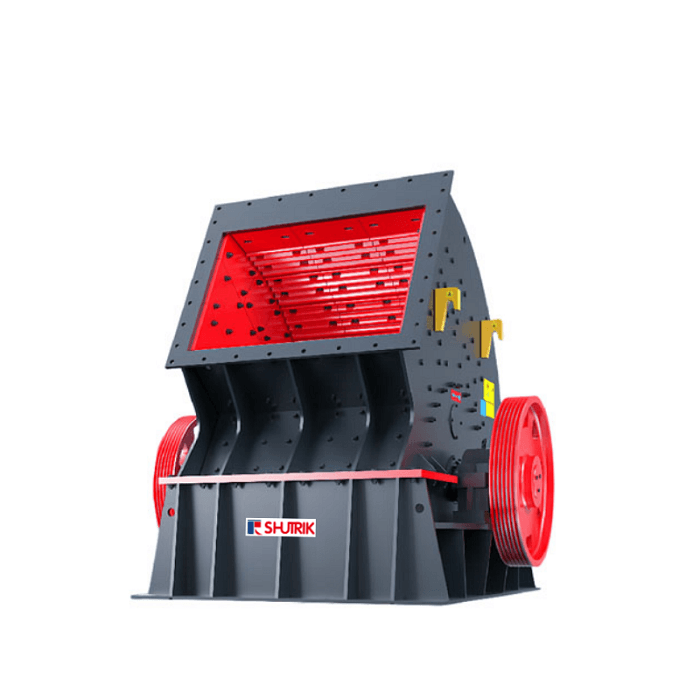
Hammer rock crushers are suitable for crushing medium-hard and brittle materials across industries such as mining, cement, coal, metallurgy, construction materials, road construction, and chemicals. They feature a high crushing ratio, high production capacity, and uniform product particle size.
- Capacity: 3-95 t/h
- Feed Size: ≤350 mm
- Output Size: 10-35 mm
-
Horizontal Impact Crusher
Horizontal shaft impact crushers are widely used in industries such as building materials, ore crushing, railways, highways, transportation, energy, cement, mining, and chemicals for medium and fine crushing of materials. Their discharge particle size is adjustable, allowing for diverse crushing specifications.
- Capacity: 90-800 t/h
- Feed Size: <300-900 mm
- Output Size: 20-80 mm
-
Multi Cylinder Hydraulic Cone Crusher
Multi-cylinder hydraulic cone crushers are typically used as tertiary crushers in stone crushing and sand-making production lines. They can process materials such as quartz, limestone, river pebbles, bluestone, and granite. They are widely used in mining, construction, chemical, transportation, and many other industries.
- Capacity: 100-1200 t/h
- Feed Size: 80-350 mm
- Output Size: 13-38 mm
-
PEV Jaw Crusher
The PEV series jaw crusher is suitable for the primary and secondary crushing of various hard ores—such as granite, river pebbles, basalt, and iron ore—with a compressive strength not exceeding 300 MPa. It is widely used in mining, quarrying, construction, and metallurgy.
- Capacity: 55 -1590 t/h
- Feed Size: ≤ 750 – 2000 mm
- Output Size: 40-300 mm