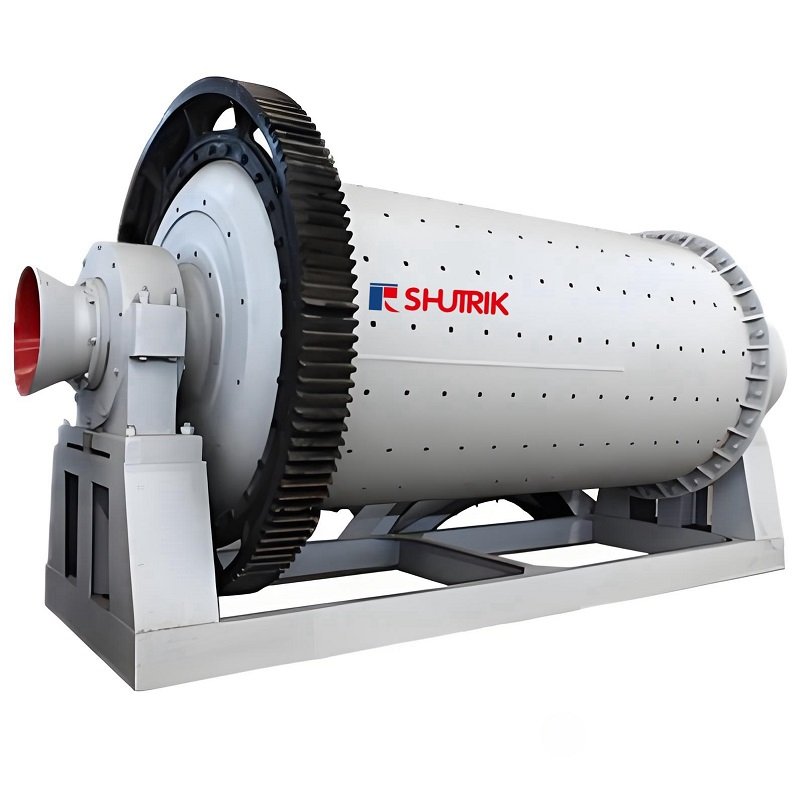

The rod mill equipment gets its name from the steel rods used as the grinding media within its cylinder. Typically, these mills utilize a wet overflow design and can serve as a primary open-circuit grinding unit. They are widely employed for primary grinding in applications such as manufactured sand production, mineral processing plants, chemical facilities, and the power industry.
Sandreck offers both dry and wet rod mill models, allowing users to select the type best suited to their specific operational needs. These mills facilitate selective grinding: coarser particles are pulverized first, while finer particles are discharged. This process ensures uniform particle size and minimizes over-grinding. They are frequently used for processing brittle materials in industries such as refractories, chemicals, metallurgy, and glass manufacturing.

Rod Mill Equipment Working Principle
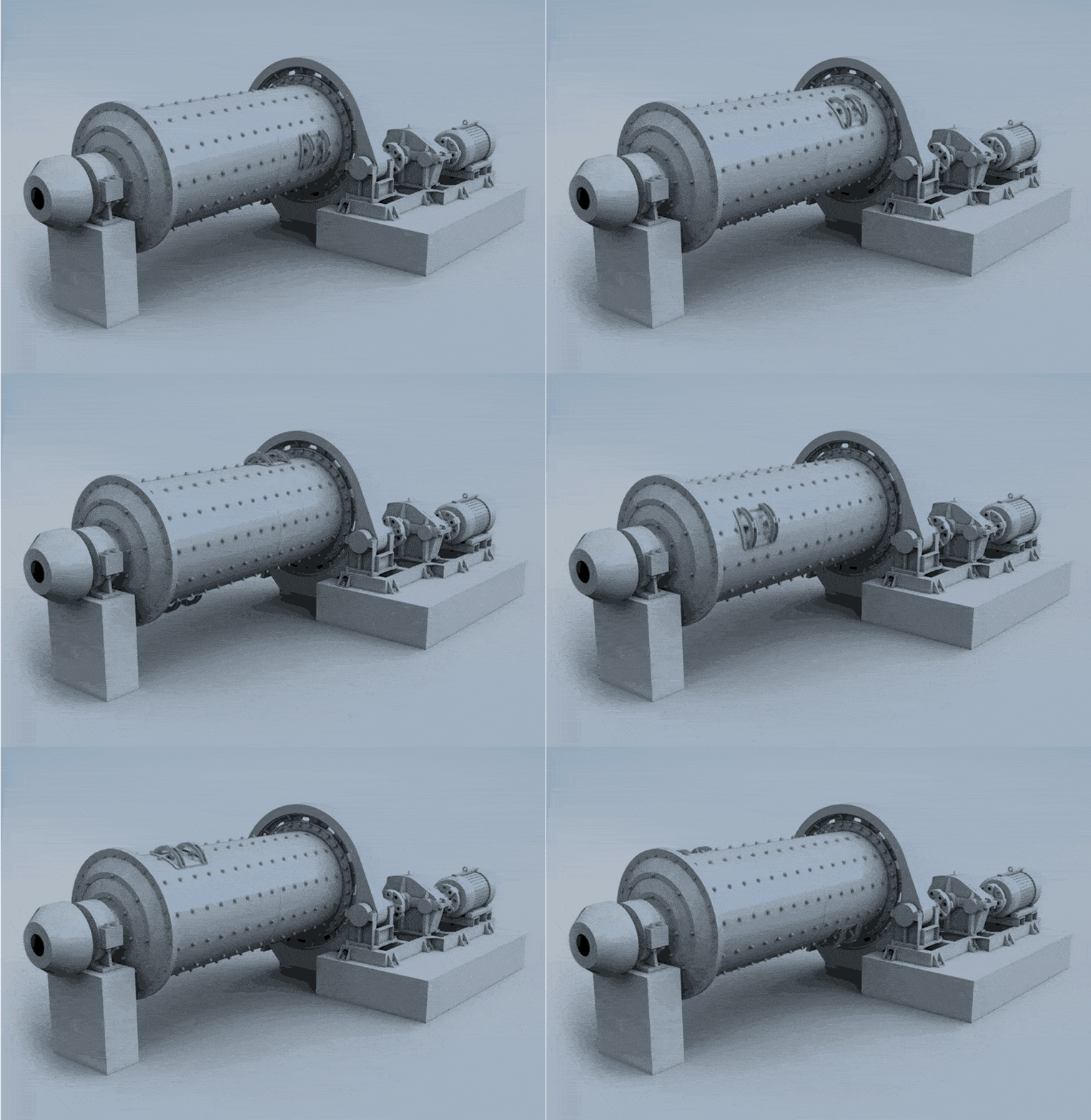
The material to be ground enters the cylinder through the feeding and inlet sections. An electric motor drives the transmission system, rotating the cylinder via a large gear. Inside the cylinder, steel rods and the material are lifted along with the cylinder liners. Upon reaching the peak of the trajectory, they cascade down, crushing and grinding the material. Once the material achieves the required fineness through the squeezing and grinding action of the steel rods, it is discharged through the outlet.
Advantages of Rod Mill Equipment
1) Uniform discharge particle size and wide range of applications
The rod mill equipment utilizes controlled feed and discharge technology. Appropriate grinding media are selected based on the specific material being processed. The line contact between the grinding media and the ore results in a more uniform discharge particle size and higher output; the mill is suitable for ores of varying hardness.
2) Adjustable discharge particle size
The rod mill for sale features an integrated fineness control device, allowing the discharge particle size to be modified through simple adjustments. A screening device can be added to the discharge outlet to prevent over-grinding and ensure that substandard material does not mix with the finished product.
3) Low power consumption and high processing capacity
It consumes over 40% less power than older equipment models and produces fewer coarse particles and slimes. When used for coarse grinding, the rod mill equipment offers a higher processing capacity than a ball mill of the same specifications.
4) Various models available
Rod mill machines are available in both dry and wet types. Wet rod mills can be further categorized into overflow, open-end, and peripheral discharge types based on their discharge methods. Users can select the model that best suits their specific operational requirements.

Rod Mill Equipment Applications
- Coarse grinding of metal ores: Rod mill equipment is commonly used for the coarse grinding stage of metal ores such as iron, copper, and gold. They can reduce ore to a particle size of 1–3 mm, preparing the material for subsequent flotation or magnetic separation.
- Preventing over-grinding of tungsten and tin ores: For minerals like tungsten and tin that are prone to over-grinding, the rod mill’s “line contact” grinding mechanism minimizes slime formation and improves recovery rates.
- Selective liberation of rare earth ores: Rare earth ores often require the preservation of their crystal structure. The mill equipment’s progressive grinding characteristics are better suited to this requirement.
- Preparation of cement raw materials: Rod mill machines can process materials such as limestone and gypsum, grinding them to 0.08 mm with a square-mesh screen residue of ≤10%.
- Quartz sand purification: In the production of high-purity quartz sand (SiO₂ ≥99.9%), mill equipment minimizes iron contamination and serves as an alternative to traditional stone-milling processes.
- Pulverized coal preparation: In thermal power plants, rod mills for sale can grind coal to a size of 0.5–2 mm, meeting the requirements of circulating fluidized bed (CFB) boilers.

Technical Parameters of Rod Mill Equipment
| Model | Barrel Diameter (mm) | Barrel Length (mm) | Speed(r/min) | Rod Load (t) | Feeding Size (mm) | Outlet Size (mm) | Capacity (t/h) | Motor Power (kw/h) | Overall Dimensions (mm) | Weight (kg) |
| WP200 | 2400 | 4500 | 21 | 30 | <25 | 0.074-5 | 100-200 | 280-315 | 10500x3250x4120 | 65-70 |
| WP300 | 2700 | 4500 | 17.2-18.5 | 51 | <25 | 0.074-5 | 200-300 | 400-480 | 11500×6100×4950 | 75-90 |
| WP500 | 3200 | 4500 | 15.4-16.6 | 60 | <25 | 0.074-5 | 400-500 | 800 | 12600×6450×5250 | 110-130 |


Related products
-
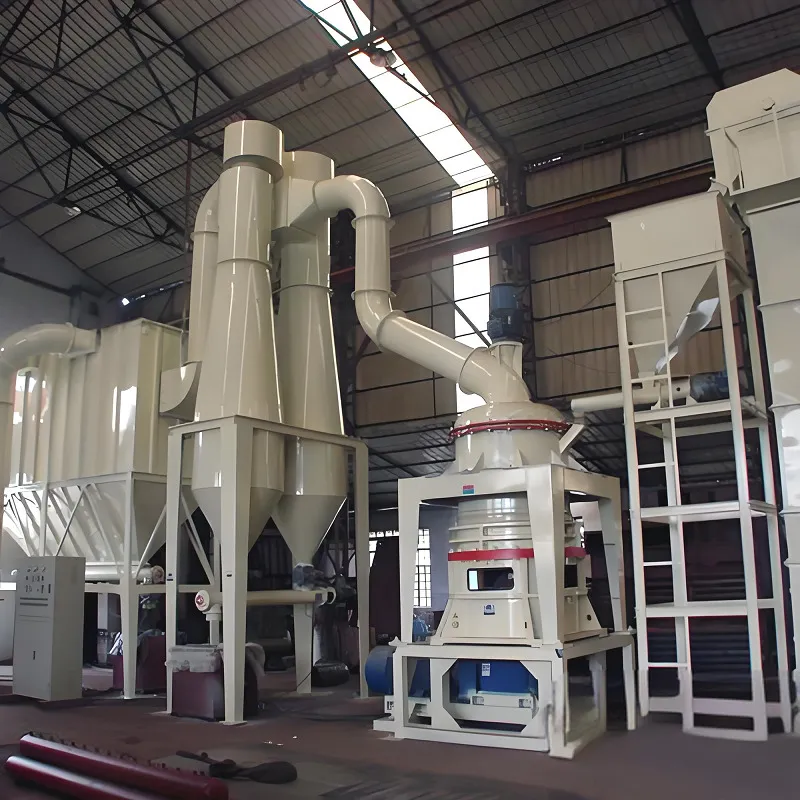
Ultrafine Grinding Mill
Ultrafine grinding mills are pulverizing machines designed to produce ultrafine powders. They are primarily used in industries such as non-metallic minerals, chemicals, construction materials, and coatings. These grinding mills can process minerals—including limestone, calcite, marble, heavy calcium carbonate, pyrophyllite, and talc—into ultrafine powder.
- Capacity: 3 – 25 t/h
- Feed Size: ≤ 15 mm
- Output Size: 300 – 3000 mesh
-
Vertical Grinding Mill
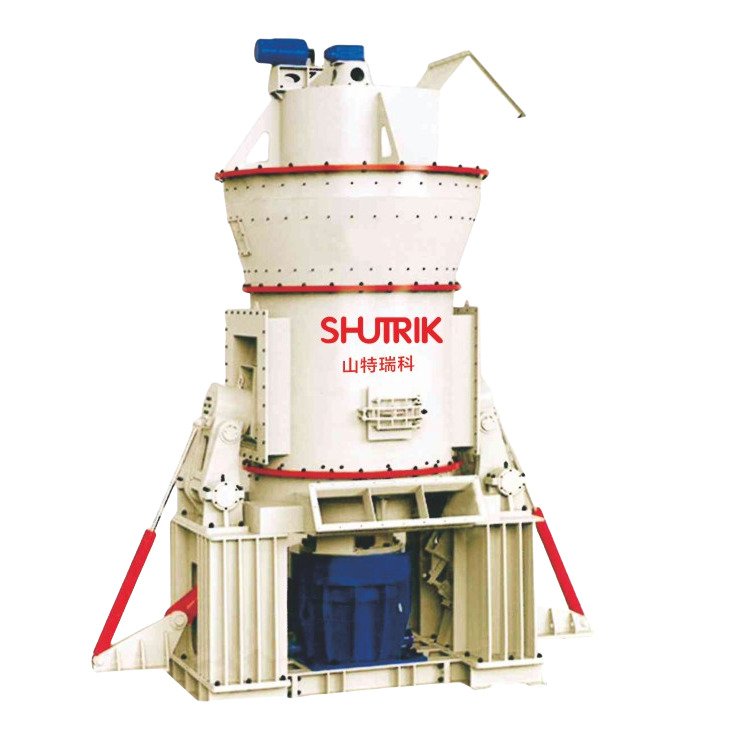
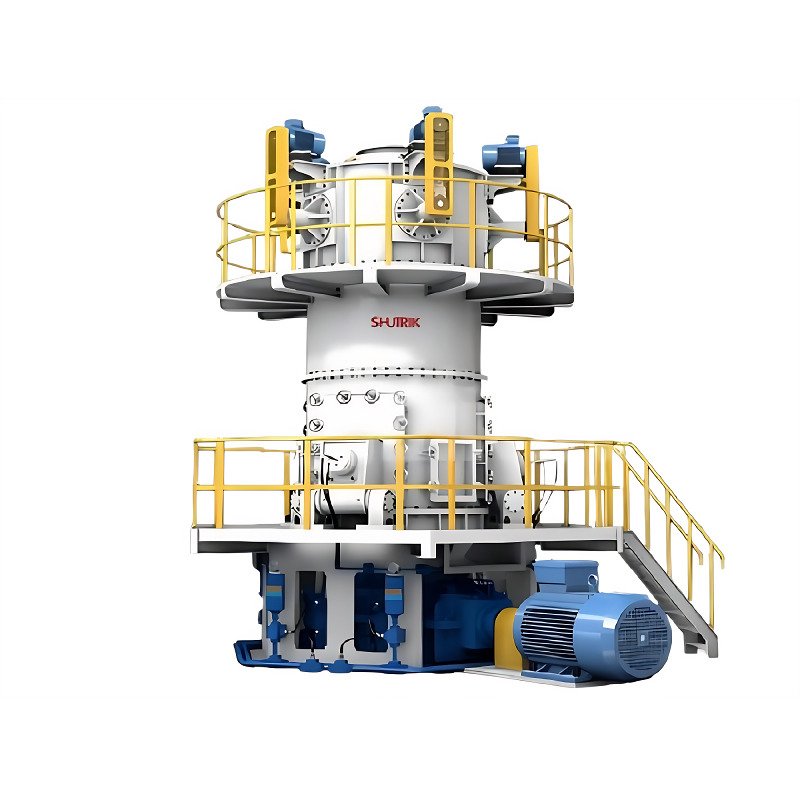
The vertical grinding mill integrates the functions of fine crushing, grinding, drying, classifying, and conveying. The system is simple, easy to operate and adjust, and features a high degree of automation. It is suitable for both large-scale and ultra-large-scale industrial production, as well as for small- and medium-scale operations.
- Capacity: 10 – 400 t/h
- Feed Size: ≤ 55 mm
- Output Size: 20 – 400 mesh
-
Industrial Ball Mill
The industrial ball mill is a grinding device widely used in industries such as mining, building materials, and chemicals, primarily employed for the crushing, grinding, and mixing of materials, as well as the production of ultrafine powders.
- Capacity: 0.65-130 t/h
- Feed Size: ≤ 25 mm
- Output Size: 0.074-0.89 mm
-
Ball Grinding Mill
A ball mill grinder is a grinding machine that uses steel balls as the grinding medium. It can crush and grind materials to a fineness of 35 mesh or finer and is suitable for use in open-circuit or closed-circuit grinding processes.
- Capacity: 0.65-130 t/h
- Feed Size: ≤ 25 mm
- Output Size: 0.074-0.89 mm
-
Grinding Rod Mill
Grinding rod mills are primarily utilized in the first stage of open-circuit grinding for coarse- to fine-size reduction. They are particularly well-suited for brittle ore materials. Our rod mills offer the advantages of uniform product particle size and high throughput.
- Capacity: 100-500 t/h
- Feed Size: <25 mm
- Output Size: 0.074-5 mm
-
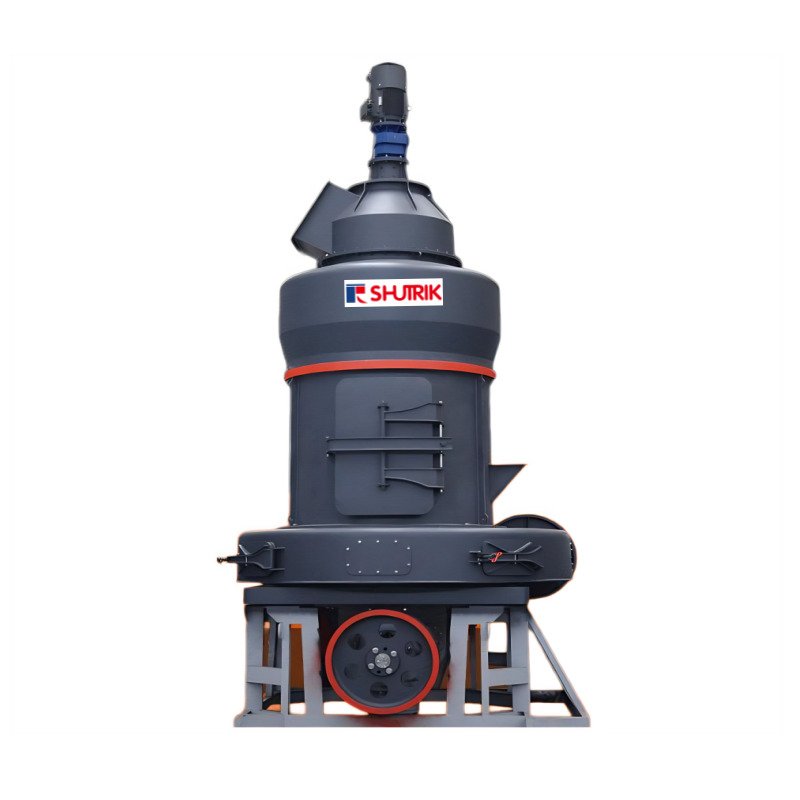
Raymond Roller Mill
The Raymond roller mill is a high-efficiency grinding machine featuring a vertical structure. It is primarily used for processing non-metallic minerals into fine and ultrafine powders and is widely applied in industries such as mining, construction materials, chemicals, and metallurgy.
- Capacity: 0.25-22 t/h
- Feed Size: ≤35 mm
- Output Size: 0.005-0.613 mm