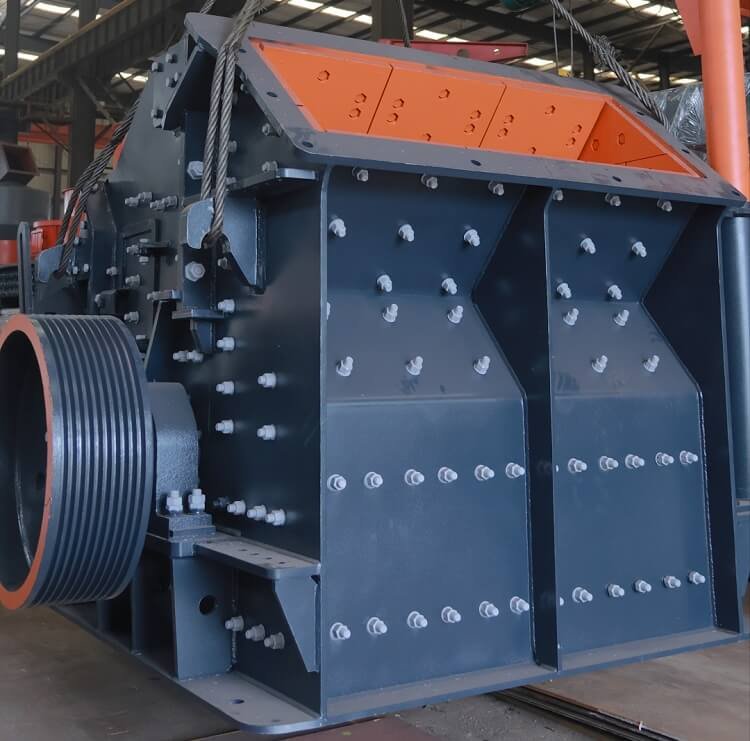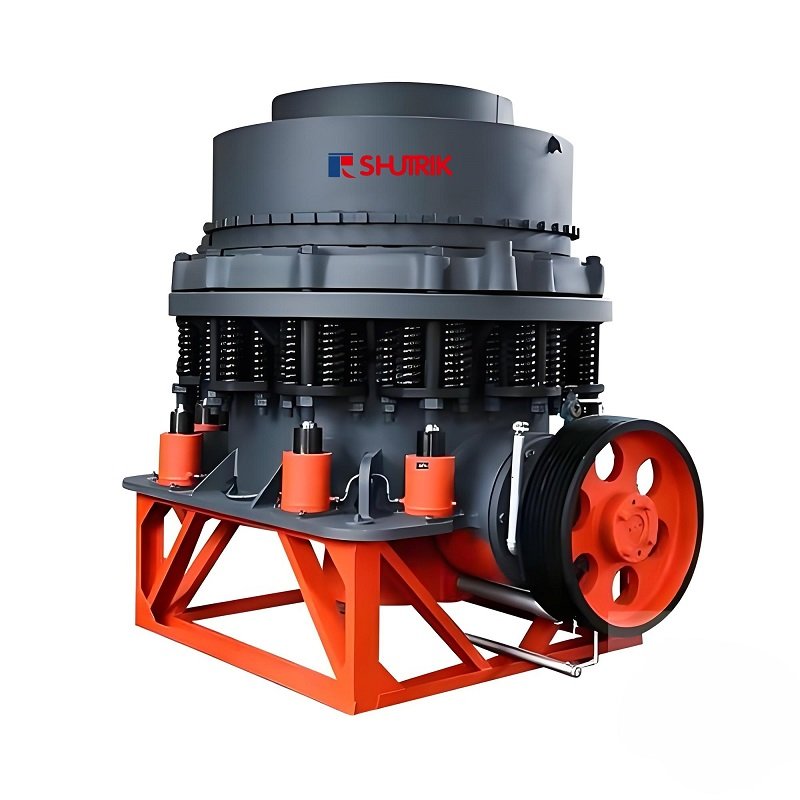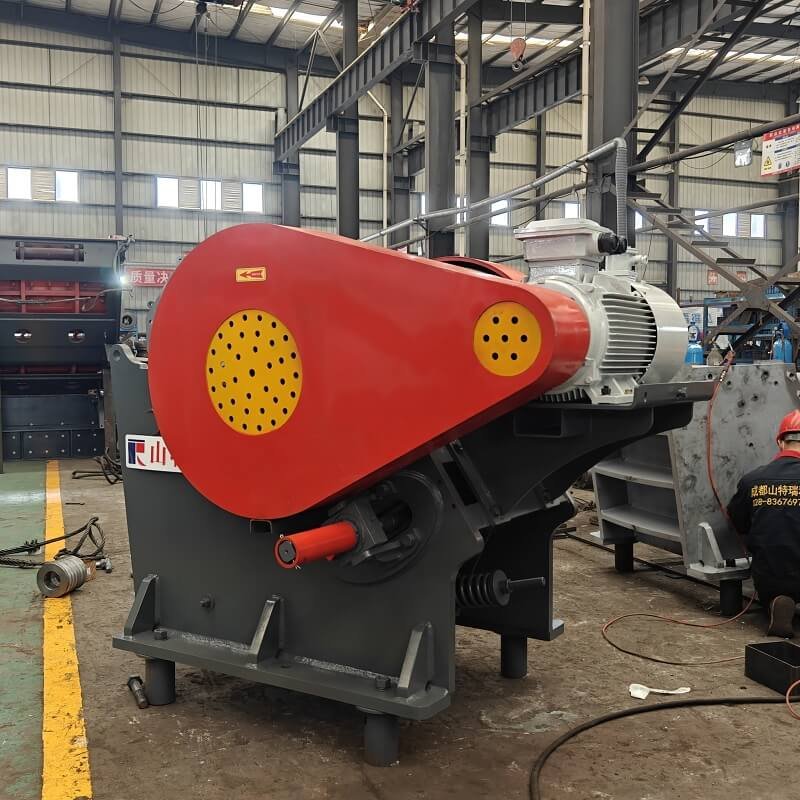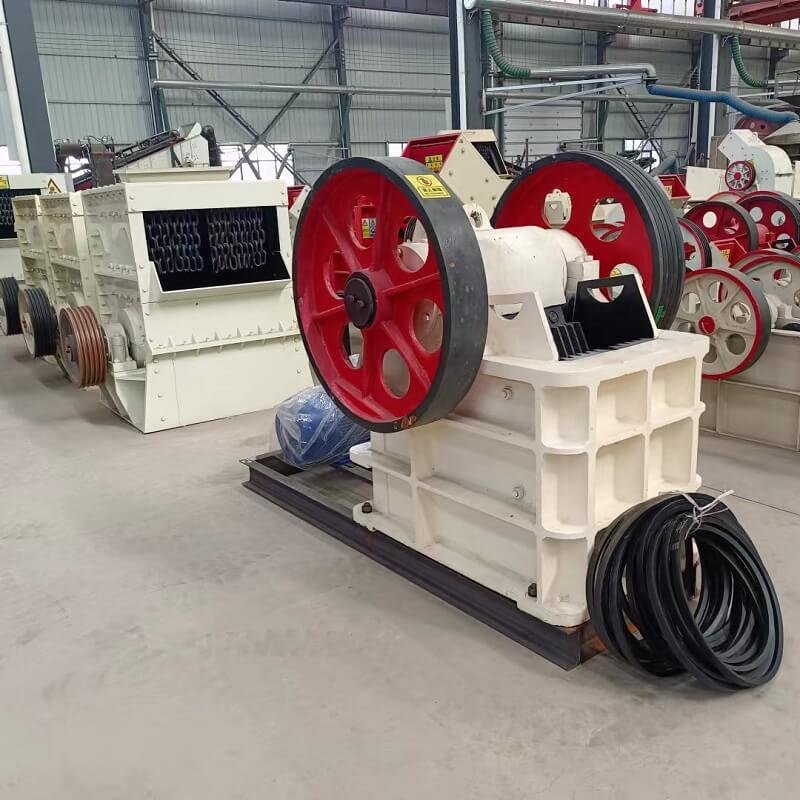
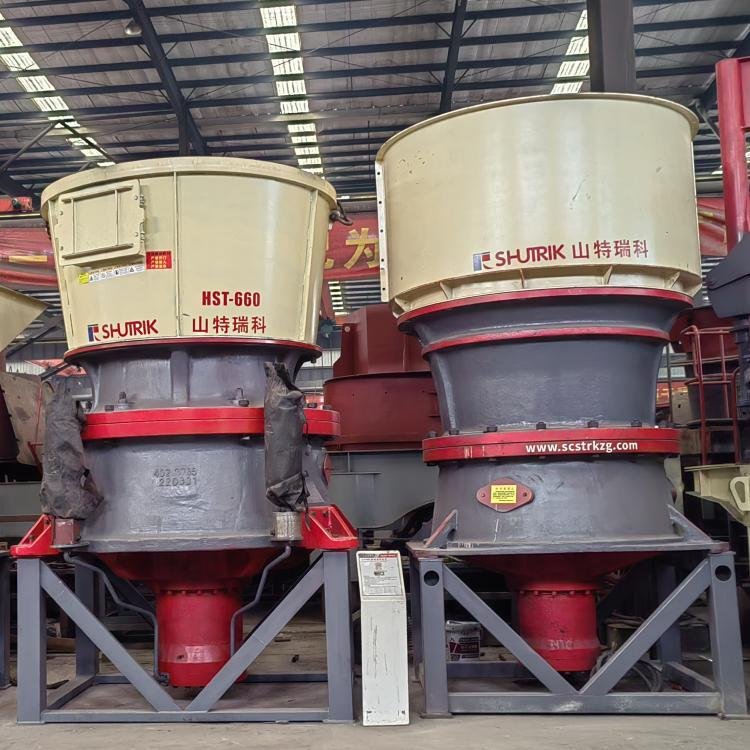
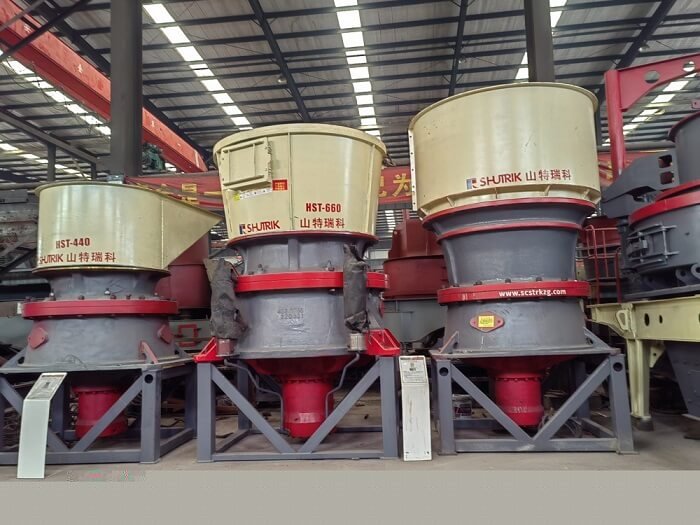
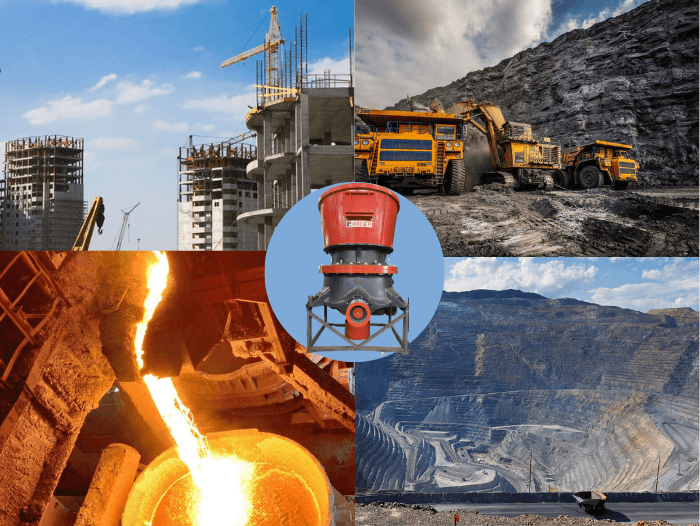
Cone rock crushers are widely used for rock crushing in aggregate production, mining operations, and recycling applications. They are typically employed in secondary, tertiary, and quaternary crushing stages. However, when the feed material is sufficiently small and a traditional primary (coarse) crushing stage is unnecessary, cone crushers can also serve as the first stage of the crushing process.
Rock cone crushers are currently among the most widely used types of crushing equipment. They excel not only in producing construction materials but also play an indispensable role in sectors such as metallurgy and the chemical industry. The specific type and model parameters of the cone crusher selected depend on the material being processed and the production requirements. Sandreck is a professional cone crusher factory that offers a comprehensive range of models and specifications for diverse stone processing lines.
Rock Cone Crusher Working Principle
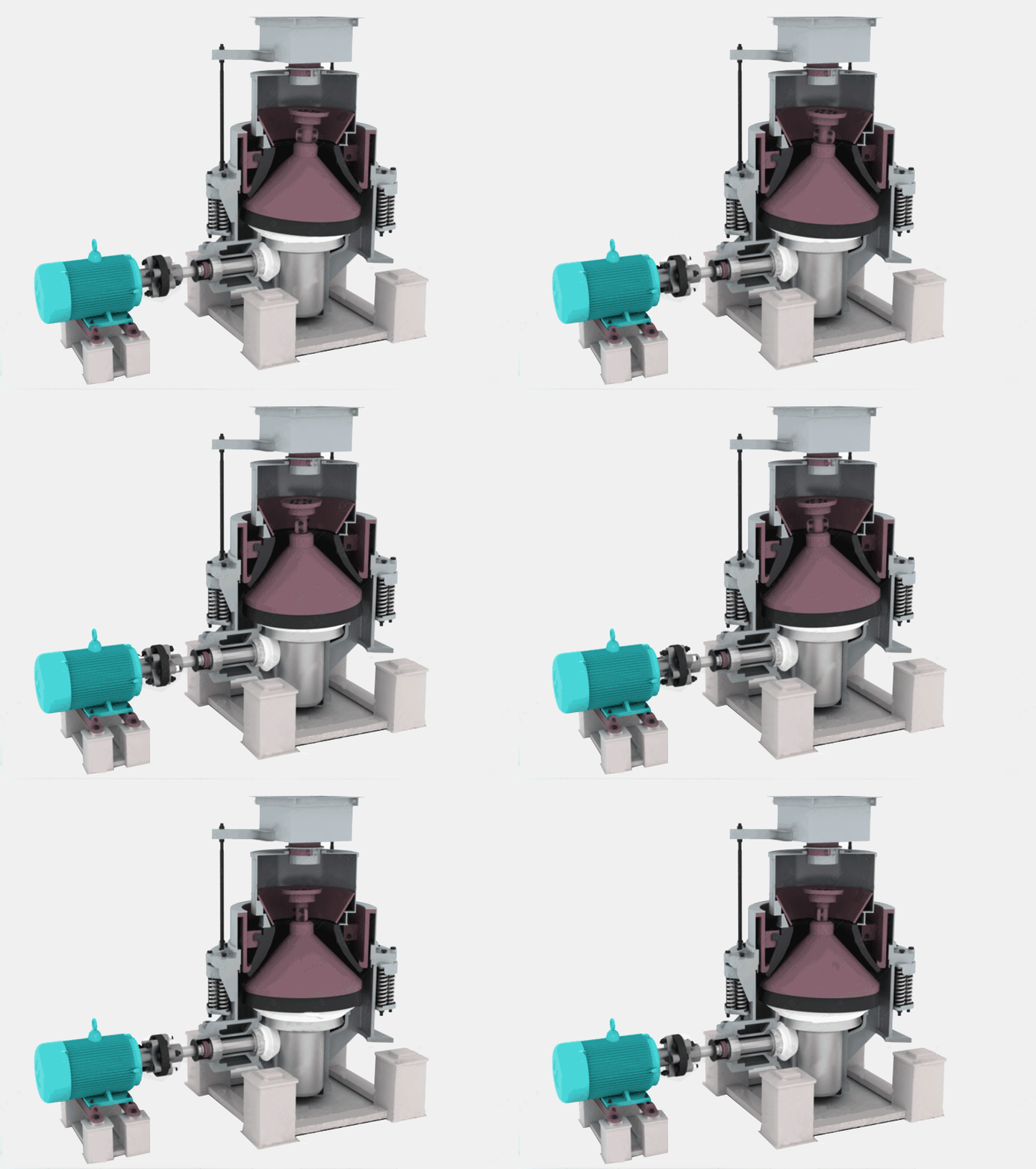
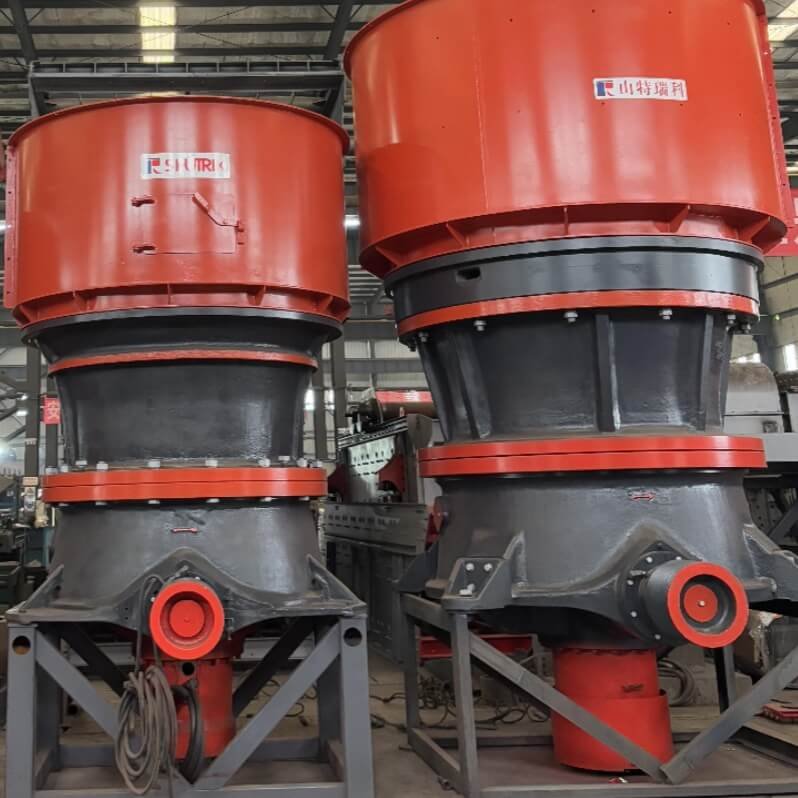
A cone stone crusher primarily consists of a frame, horizontal shaft, moving cone assembly, counterweight, eccentric sleeve, upper crushing liner (fixed cone), lower crushing liner (moving cone), fluid coupling, lubrication system, and hydraulic system.
During operation, the electric motor drives the eccentric sleeve to rotate via the transmission mechanism. The eccentric sleeve drives the moving cone to gyrating motion. The zone where the moving cone approaches the stationary cone forms the crushing chamber. Here, material is crushed through repeated compression and impact between the moving and stationary cones. As the moving cone moves away from this zone, the material—now crushed to the required particle size—falls under gravity and is discharged from the bottom of the crusher.
Features of Cone Rock Crusher
1. Wide Range of Applications
The rock cone crusher can crush hard rock. By simply changing the liners, the same main unit can accommodate various crushing chamber profiles to suit diverse application needs. The medium-crushing model features a stable, large feed opening, making it suitable for secondary crushing or even primary (coarse) crushing.
2. Excellent Product Shape
An optimized combination of crushing frequency, eccentric throw, and inter-particle (lamination) crushing ensures a high-quality product shape.
3. Lower Production Costs
Optimized liner design reduces steel consumption per unit of output. Inter-particle crushing and choke-feeding (full-cavity operation) enhance operational efficiency.
4. Lower Maintenance Costs
The drive assembly utilizes imported bearings for extended service life. A positive-pressure dust control system keeps the hydraulic system clean, while the circulating oil lubrication system provides dual protection for the bearings. These features effectively reduce failure rates and maintenance costs.
5. Simple Operation and Maintenance
Hydraulic controls allow for stepless adjustment of the discharge opening at the push of a button. Operators can make this adjustment during production, making operation more intuitive.
Rock Cone Crusher Applications
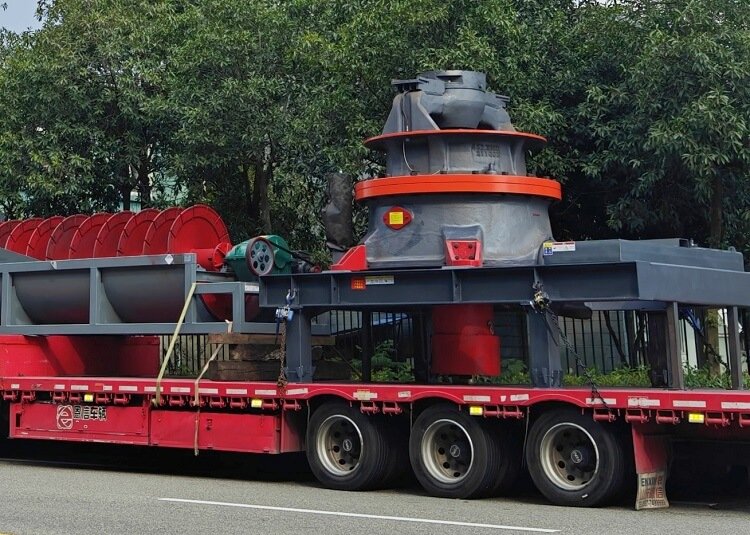
- Mining Industry: Cone stone crushers crush ores such as iron ore, copper ore, quartz, granite, and sandstone, producing material of the appropriate particle size for subsequent mineral processing.
- Metallurgical Industry: They crush ore for smelting or further processing.
- Construction and Road Building Industries: Cone crusher equipment crushes stone, construction waste, and aggregates to meet raw material requirements for road and building construction.
- Chemical and Silicate Industries: They crush refractory materials, slag, and other chemical raw materials.
Technical Parameters of Cone Rock Crusher
| Model | Chamber | Max Feeding Size (mm) | Minimum Discharging Size (mm) | Capacity (T/H) | Max Motor Power (kw) |
| HST420
|
S1 (extra coarse) | 240 | 22 | 85-170 | 90
|
| S2(medium coarse) | 200 | 19 | 70-130 | ||
| HST420 | H(fine) | 135 | 10 | 45-130 | |
| H2(medium fine) | 65 | 8 | 35-80 | ||
| H3(extra fine) | 38 | 4 | 27-60 | ||
| HST430 | S1 (extra coarse) | 360 | 25 | 120-345 | 160 |
| S2(medium coarse) | 300 | 33 | 105-305 | ||
| S3(coarse) | 235 | 19 | 90-275 | ||
| HST430 | H(fine) | 185 | 13 | 60-210 | |
| H2(medium fine) | 90 | 10 | 65-165 | ||
| H3(extra fine) | 50 | 6 | 48-105 | ||
| HST440 | S1 (extra coarse) | 450 | 35 | 255-605 | 250 |
| S2(medium coarse) | 400 | 29 | 215-515 | ||
| S3(coarse) | 300 | 25 | 190-490 | ||
| HST440 | H1 (fine) | 215 | 16 | 110-395 | |
| H2(medium fine) | 110 | 13 | 115-340 | ||
| H3(extra fine) | 70 | 8 | 90-225 | ||
| HST660 | S1 (extra coarse) | 560 | 41 | 355-1050 | 315 |
| S2(medium coarse) | 500 | 38 | 305-895 | ||
| HST660 | H1 (fine) | 275 | 16 | 170-665 | |
| H2(medium fine) | 135 | 16 | 190-505 | ||
| H3(extra fine) | 65 | 13 | 205-320 | ||
| HST870 | H1(fine) | 300 | 22 | 448-1512 | 520 |
| H2(medium fine) | 155 | 19 | 400-1372 | ||
| H3(extra fine) | 80 | 10 | 280-775 | ||
| HST880 | H1 (fine) | 370 | 25 | 480-2128 | 750 |
| H2(medium fine) | 195 | 22 | 552-1605 | ||
| H3(extra fine) | 85 | 10 | 365-885 |
Related products
-
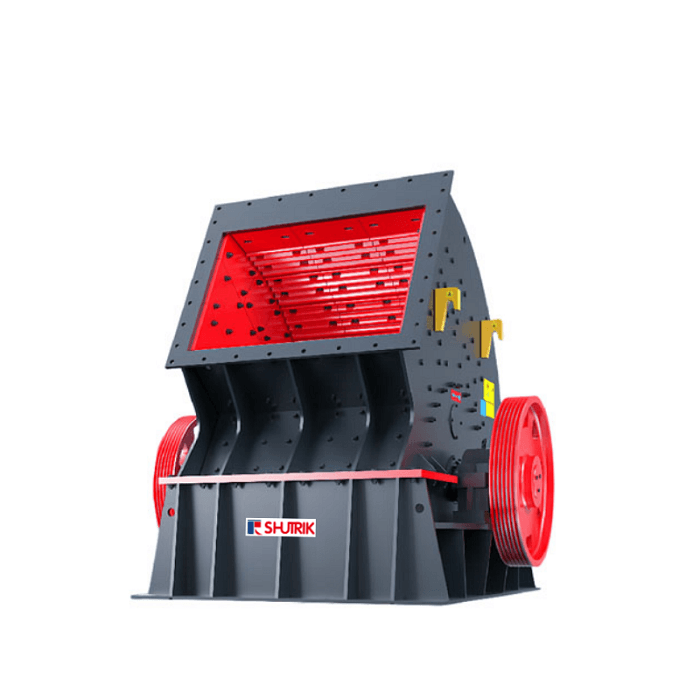
Heavy Hammer Crusher
The heavy hammer crusher can reduce materials with a feed size of up to 1600 mm to the desired final product size in a single pass. It is suitable for crushing various brittle materials of medium hardness—such as limestone, coal gangue, and bluestone—provided they have a compressive strength of less than 200 MPa and a moisture content of less than 10%.
- Capacity: 100-2500 t/h
- Feed Size: ≤1600 mm
- Output Size: ≤25–30mm
-
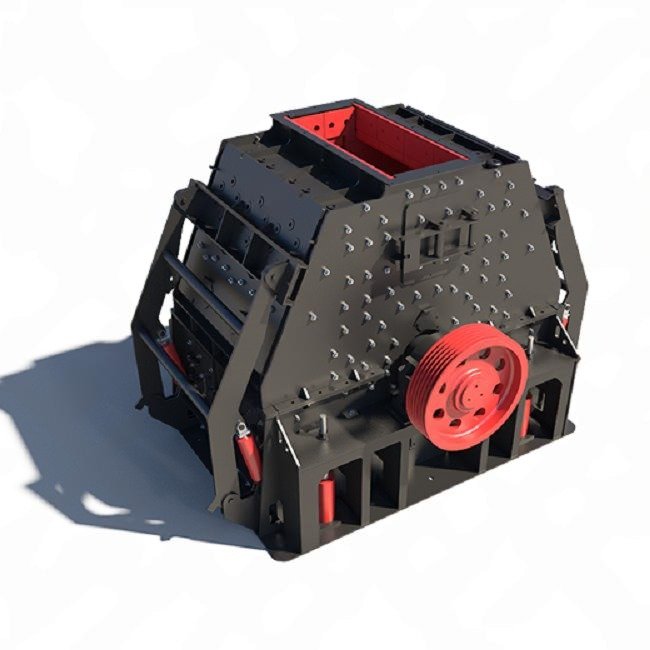
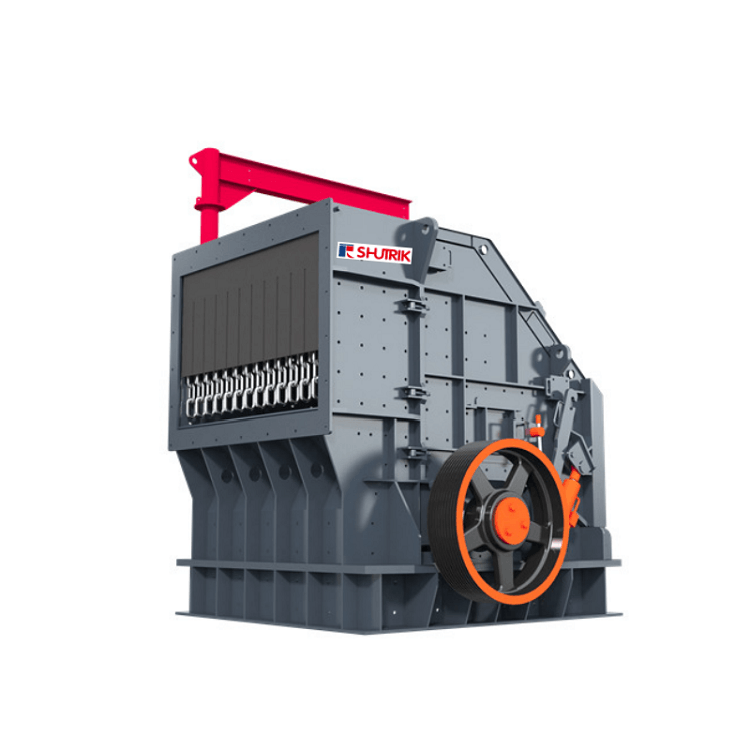
Single Rotor Impact Crusher
Single-rotor impact crushers are widely used for crushing various soft and medium-hard ores, enabling medium and fine crushing in secondary crushing processes. They are widely applied in various ore crushing, railway, highway, and construction industries for the production of artificial sand and gravel. They are primarily used in mining, construction, chemical, cement, and metallurgical industries.
- Capacity: 90-800 t/h
- Feed Size: <300-900 mm
- Output Size: 20-80 mm
-
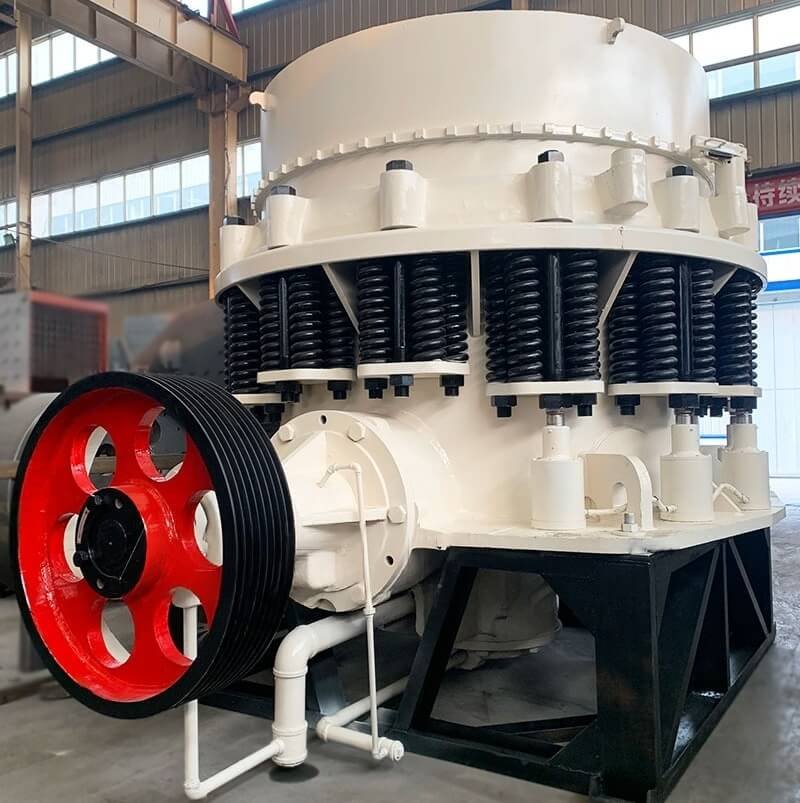
Symons Cone Crusher
The Simmons cone crusher relies on springs for mechanical overload protection. The discharge port requires manual adjustment during machine shutdown. The machine has a simple structure, highly interchangeable parts, and a low operating threshold. It is suitable for small to medium-sized sand and gravel mines.
- Capacity: 12-800 t/h
- Feed Size: 35-300 mm
- Output Size: 3-60 mm
-
Spring Cone Crusher
The spring cone crusher for sale is a traditional medium- and fine-crushing equipment that uses a spring safety device. It is known for its robust structure and reliable operation. It features high crushing force, high production efficiency, and high output.
- Capacity: 12-800 t/h
- Feed Size: 35-300 mm
- Output Size: 3-60 mm
-
PEV Jaw Crusher
The PEV series jaw crusher is suitable for the primary and secondary crushing of various hard ores—such as granite, river pebbles, basalt, and iron ore—with a compressive strength not exceeding 300 MPa. It is widely used in mining, quarrying, construction, and metallurgy.
- Capacity: 55 -1590 t/h
- Feed Size: ≤ 750 – 2000 mm
- Output Size: 40-300 mm
-
PEX Jaw Crusher
The PEX series fine-crushing jaw crusher is specialized equipment for crushing materials in industries such as metallurgy, mining, and construction. It is suitable for the medium and fine crushing of ores and rocks with a compressive strength of less than 250 MPa. It offers a high crushing ratio, uniform product particle size, low energy consumption, and easy maintenance.
- Capacity: 1 – 60 t/h
- Feed Size: ≤125 – 210 mm
- Output Size: 10 – 80 mm