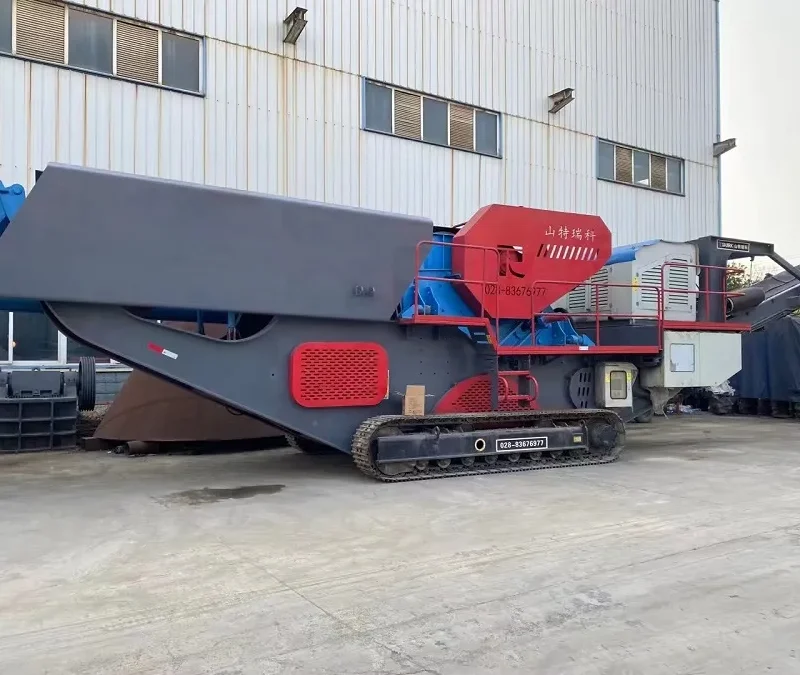
The jaw crusher is the most widely used primary crushing equipment in sectors such as mining, sand and aggregate production, and construction waste recycling. It is primarily designed to break large pieces of material into smaller particles. Jaw stone crushers can be categorized into various types based on factors such as the motion trajectory of the moving jaw, the specific crushing process, the configuration of the crushing chamber, and the dimensions of the feed opening. Each type offers distinct advantages and is suited to particular applications.
This article provides a detailed overview to help you select the most appropriate jaw crusher for your needs.
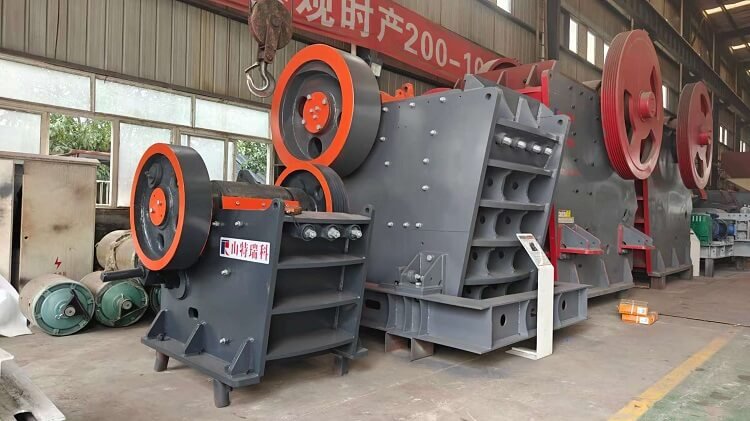
1. Classification by the Motion Trajectory of the Moving Jaw
1) Compound-Pendulum Jaw Crusher
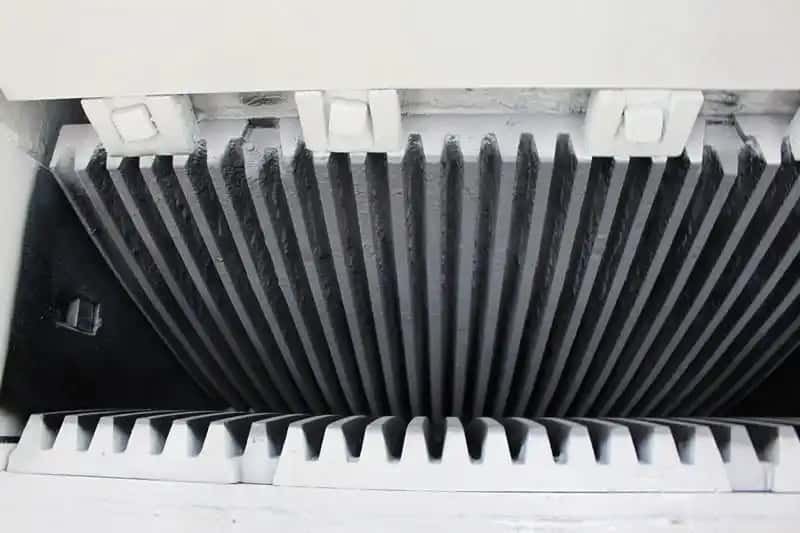
The moving jaw is suspended directly from an eccentric shaft. The motion trajectory of any given point on the moving jaw is elliptical. In addition to horizontal compression, there is a vertical rubbing/grinding action, which facilitates the downward discharge of material.
- Advantages: Compact overall structure, fewer components, high throughput, and a large crushing ratio. It is easy to install and maintain, with a moderate investment cost.
- Disadvantages: The rubbing/grinding action causes the jaw plates (liners) to wear out faster than in simple-pendulum models.
- Applications: Sand and aggregate plants, small-to-medium-sized mines, construction waste recycling, and the crushing of medium-hard rocks (such as limestone, granite, and river pebbles).
2) Simple-Pendulum Jaw Crusher
The moving jaw is suspended from a fixed pivot shaft. An eccentric shaft drives a connecting rod and a toggle mechanism (consisting of two toggle plates). The motion trajectory of the moving jaw is a simple circular arc. There is minimal vertical movement, resulting in virtually no rubbing or grinding of the material.
- Advantages: Low wear on jaw plates and high crushing impact force. Suitable for extremely hard and highly abrasive ores.
- Disadvantages: The equipment is heavy and bulky, requires a large footprint, offers lower throughput, and has higher manufacturing costs.
- Applications: Large-scale open-pit mines and primary crushing in metal mines; used for materials with extremely high compressive strength, such as iron ore and basalt.
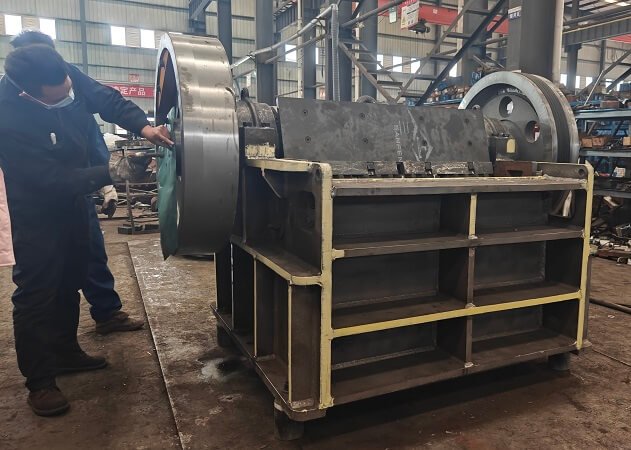
3) Hybrid-Pendulum Jaw Crusher
Combines the motion characteristics of both simple-pendulum and compound-pendulum types. It optimizes the trajectory of the moving jaw to strike a balance between production capacity and liner wear.
2. Classification by Crushing Stage and Chamber Design
1) PE Series Jaw Crushers – Primary Jaw Crushers
PE series jaw crushers feature a large feed opening and a deep crushing chamber. They are primarily used for primary crushing, handling large raw stones. The output material is relatively coarse, serving as feed for secondary crushing equipment. They are the preferred choice for the first stage of crushing in quarries and mines.
2) PEX Series Jaw Crushers – Fine/Secondary Jaw Crushers
PEX series jaw crushers have a narrower feed opening and a smaller adjustable range for the discharge gap. They produce finer output and are typically used for secondary (intermediate to fine) crushing. They are well-suited for small-scale aggregate production lines, helping to reduce the investment required for secondary cone crushers.
3) PEV Series Jaw Crushers
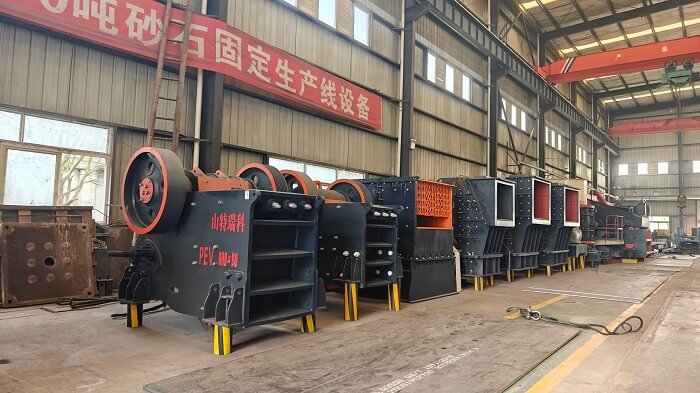
PEV series jaw crushers utilize a symmetrical V-shaped crushing chamber and a hydraulic wedge-based system for adjusting the discharge opening. They offer a high degree of automation and are easy to maintain, making them ideal for large-to-medium-scale aggregate plants and export projects.
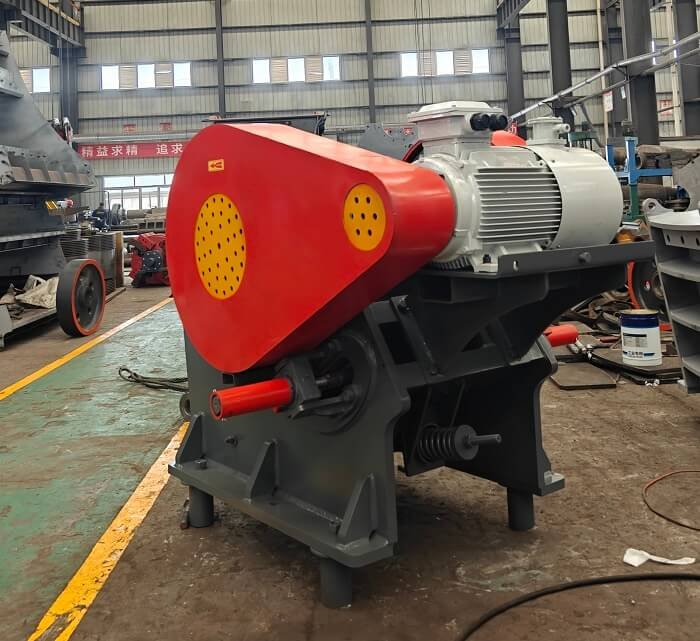
3. Classification by Feed Opening Size
- Large-scale jaw crushers: Feed opening width > 600 mm; designed for handling large raw stones; suitable for high-capacity mining projects.
- Medium-scale jaw crushers: Feed opening width 300–600 mm; suitable for small-to-medium quarries and construction material crushing.
- Small-scale jaw crushers: Feed opening width < 300 mm; suitable for laboratory use, small construction sites, and low-capacity stone processing.
4. Classification by Adjustment Mechanism and Frame Structure
- Traditional Shim-Adjusted Jaw Crusher: Features a cast-steel or welded frame. The discharge opening is adjusted manually by adding or removing shims. It has a simple, low-cost design, though adjustments are time-consuming. This is the classic “PE” series model.
- Hydraulic Jaw Crusher: Equipped with hydraulic cylinders, allowing for one-touch adjustment of the discharge opening. If an uncrushable hard object enters the chamber, the hydraulic system automatically releases pressure to protect the main unit. It also facilitates the clearing of blockages, reducing the risk of unplanned downtime.
- Modular Bolted-Frame Jaw Crusher: Constructed entirely without welding; the components are assembled using high-strength bolts. This design offers superior fatigue resistance and simplifies disassembly, transport, and reassembly—making it ideal for overseas projects or mining operations that require frequent relocation.
5. Specialized Structural Models
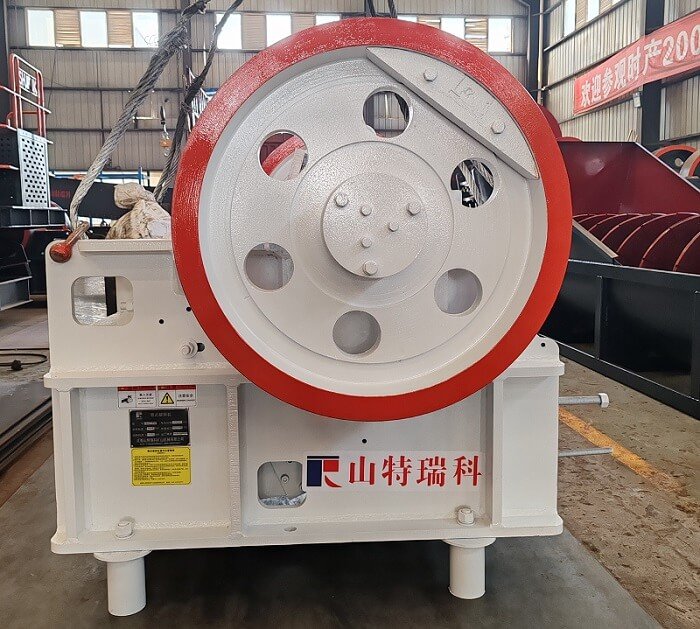
- External-Moving Jaw Crusher: Features a low overall height and a compact footprint, making it well-suited for space-constrained environments such as underground mines or tunnels.
- Dual-Chamber Jaw Crusher: Utilizes two crushing chambers that operate alternately. While this increases production capacity, the complex structure limits its widespread field application.
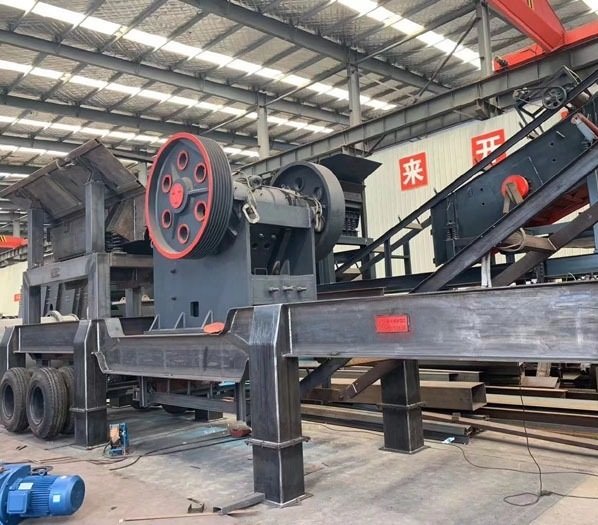
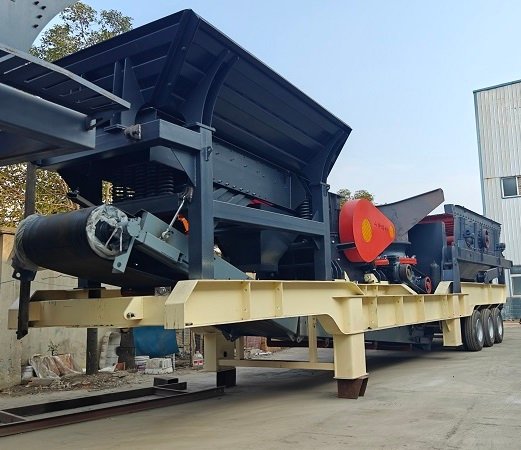
- Mobile Jaw Crusher (Wheel-Mounted / Track-Mounted Mobile Crushing Station): Integrates the jaw crusher, vibrating feeder, and conveyor system into a single unit. It requires no permanent civil foundation and can be deployed directly to the job site. These units are ideal for operations requiring frequent relocation, on-site processing of construction waste, or scattered quarrying projects in mountainous regions. Track-mounted units are designed for complex terrain, while wheel-mounted units are better suited for transport over public roads.
Selecting the right jaw rock crusher requires a comprehensive evaluation of factors such as material characteristics, feed particle size, production capacity requirements, site conditions, budget, and operation and maintenance costs.
The process begins by defining the crushing stage (primary or secondary/fine crushing), followed by selecting the appropriate moving jaw structure, and finally determining the frame design and adjustment mechanism. This systematic approach ensures the selection of a stable, high-efficiency jaw crusher, helping to minimize future downtime and the consumption of wear parts.
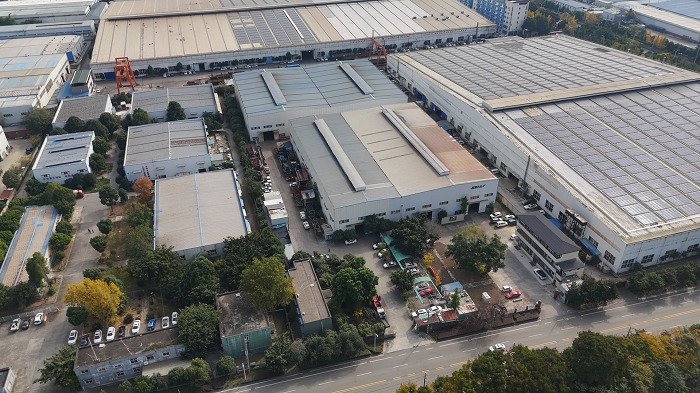
Sandreck is a professional stone crusher manufacturer. We provide high-quality jaw crushers tailored to our clients’ specific production needs. Contact us for more information.