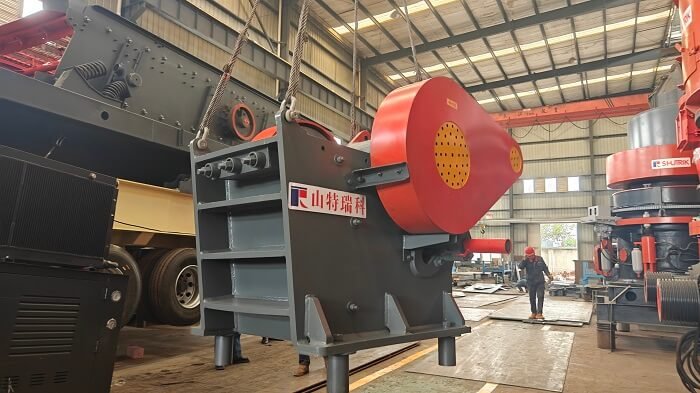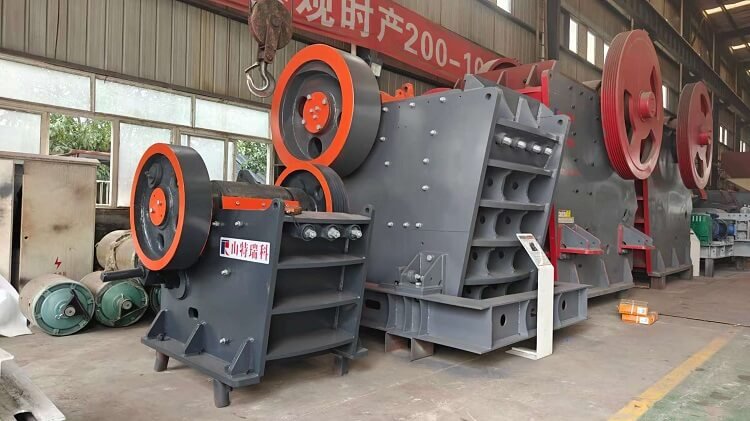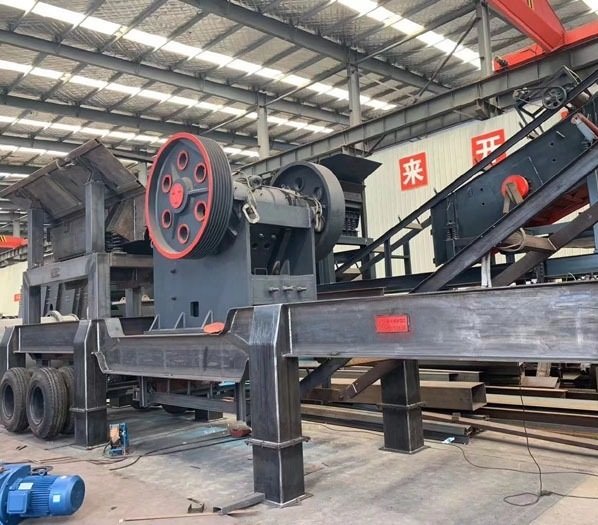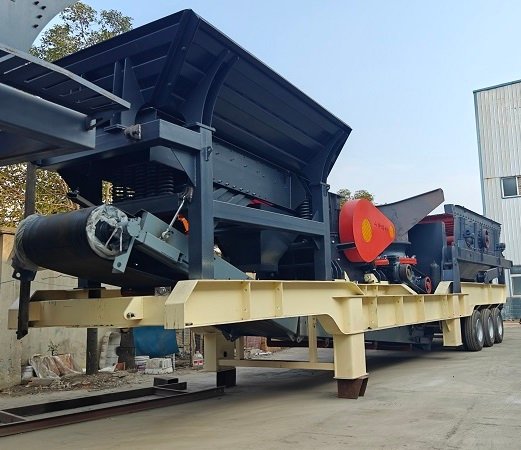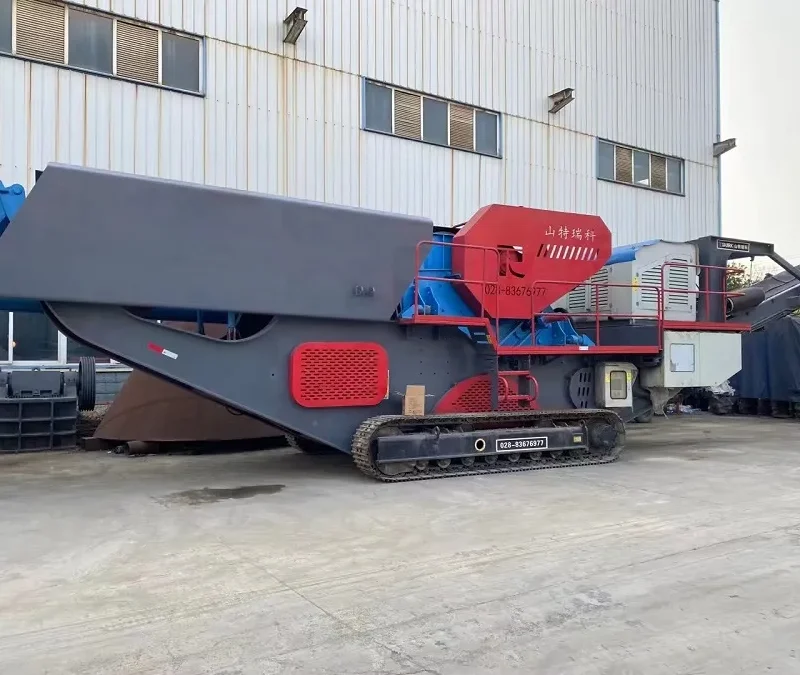
As the primary crushing equipment in the mining, aggregate, and construction materials industries, a jaw crusher performs its crushing function by using a reciprocating, swinging jaw to compress material. The machine consists of a frame, a crushing chamber, a moving jaw assembly, a drive mechanism, an adjustment mechanism, and a lubrication system. Throughout its operation, it is subjected to continuous impact and frictional loads from the stone or other materials being processed.
The quality of its various components directly determines the equipment’s operational stability, production efficiency, and service life. Based on their wear characteristics, jaw crusher components can be categorized into four groups: wear-resistant parts (consumables), major overhaul spare parts, drive/sealing/fastening components, and optional hydraulic accessories.
1. Wear-Prone Parts of Jaw Crusher (High-Frequency Replacement Parts)
These jaw crusher components come into direct contact with the ore and are the fastest-wearing parts during daily production. They are typically manufactured from high-manganese steel—such as ZGMn13 or ZGMn13Cr2—which offers excellent impact resistance and wear resistance.
- Moving Jaw Plate (Movable Tooth Plate): Mounted on the moving jaw body, this component oscillates back and forth. It works in tandem with the stationary jaw plate to crush material. Most jaw plates feature a symmetrical design, allowing them to be flipped over after one side has worn down, thereby reducing replacement costs.
- Stationary Jaw Plate (Fixed Tooth Plate): Secured to the front wall of the machine frame, this component remains stationary. Together with the moving jaw plate, it forms the primary crushing chamber, enduring constant impact and abrasion from the material.
- Side Liner (Side Guard Plate): Positioned on the left and right sides of the crushing chamber, these liners act as a barrier between the stone/ore and the machine frame, preventing the material from directly eroding or wearing down the frame itself.
- Toggle Plate (Thrust Plate): Serves a dual purpose: transmitting crushing force to the moving jaw and providing safety protection. If an uncrushable object—such as a piece of iron—enters the crushing chamber, the toggle plate is designed to break first, thereby safeguarding high-value core components like the eccentric shaft and the moving jaw.
- Toggle Plate Seat/Shim: Wear-resistant liners installed at both ends of the toggle plate, designed to minimize frictional wear between the toggle plate and the adjustment seat.

2. Jaw Crusher Overhaul Spare Parts (Replaced at Medium-to-Low Frequency)
These jaw crusher components are subject to high stress and carry a high cost. Under normal operating conditions, they have a relatively long service life and are typically inspected or replaced during major equipment overhauls.
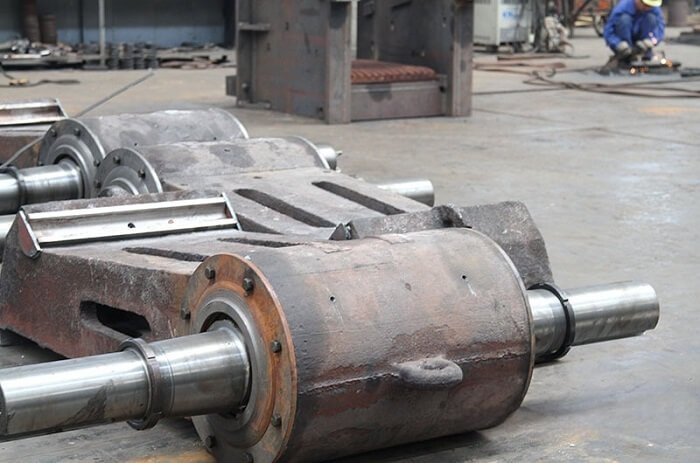
- Eccentric Shaft: The main shaft of a jaw crusher, manufactured from forged steel. Its eccentric design converts the rotational motion of the motor into the reciprocating, swinging motion of the moving jaw. It serves as the core component for power conversion within the machine.
- Moving Jaw Body: A cast-steel component that acts as the base for the moving jaw plate, supporting both the jaw plate itself and the crushing loads.
- Main Bearings: Typically spherical roller bearings. They support the eccentric shaft and endure immense impact loads, making them a primary focus for lubrication and maintenance.
- Adjustment Seat: Supports the toggle plate and works in conjunction with wedges or shims to facilitate the adjustment of the discharge opening.
- Adjustment Wedges and Shims: Used to alter the gap of the discharge opening—by adding or removing shims or shifting the wedges—thereby controlling the particle size of the crushed material.
- Tension Rod and Tension Spring: These components function as a pair. After the moving jaw completes its crushing stroke, the tension spring pulls the tension rod, which in turn draws the moving jaw back to its original position, preparing it for the next crushing cycle.
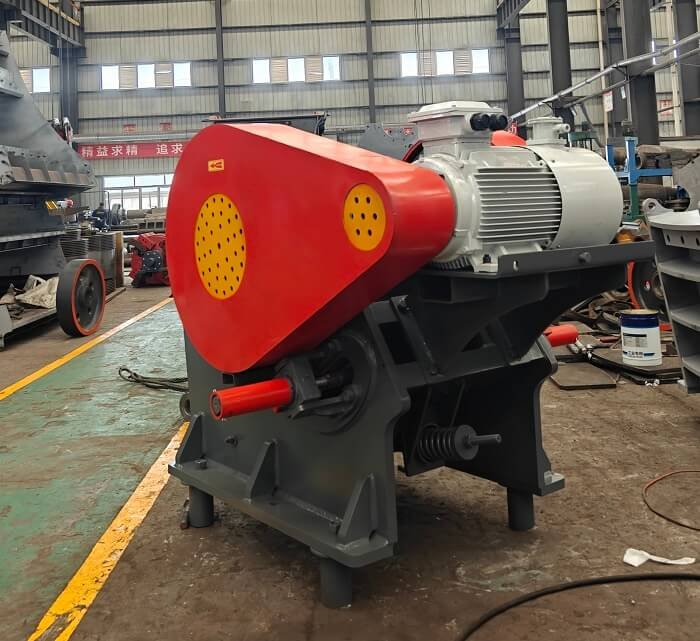
- Flywheel and V-belt Pulley: Mounted on opposite ends of the eccentric shaft. The flywheel stores kinetic energy, balances load fluctuations, and reduces the strain on the motor. The V-belt pulley receives power from the motor to drive the rotation of the eccentric shaft.
3. Transmission, Sealing, and Fastening Components
These components are classified as auxiliary consumables. They require close attention during routine inspections, as any failure can lead directly to equipment downtime.
- V-belts: Used to transmit power from the motor. Prolonged operation can cause them to age and stretch. Therefore, they require periodic tensioning or replacement.
- Bearing end caps, oil seals, and sealing rings: These components seal the bearing cavity, preventing lubricant leakage and keeping dust out—which could otherwise cause wear to the bearings.
- Jaw plate bolts, nuts, and clamping blocks: Used to secure the jaw plates in place. Given the high-vibration environment of the crushing process, these are prone to loosening and are a key focus for daily inspections.
- Grease nipples and oil pipes: These deliver lubricant to the bearings, ensuring the proper operation of moving parts. Systems are configured for either grease lubrication or circulating oil lubrication.
- Feed hopper: Installed at the top of the machine frame. It guides material smoothly into the crushing chamber and prevents material from splashing out.

4. Specialized Components for Hydraulic Jaw Crushers
Jaw stone crushers equipped with a hydraulic cavity-clearing function feature additional components, including hydraulic cylinders, hydraulic hoses, valve assemblies, and accumulators. In the event of a material blockage, the hydraulic system can rapidly lower the discharge opening to clear jammed material from the crushing chamber, significantly reducing downtime required for manual clearing.
When selecting replacement parts, prioritize components that match the original manufacturer’s specifications. For wear parts, choose materials suited to the hardness of the processed material. During routine operation, regularly inspect the wear status of the jaw plates, the tightness of bolts, and the lubrication of bearings. Maintaining an inventory of frequently replaced parts can effectively minimize unexpected downtime. High-quality components not only ensure consistent output but also mitigate impact damage to the main unit, thereby extending the overall service life of the jaw crusher.
Sandreck is a professional stone crusher manufacturer in China. We provide high-quality jaw crusher machines and various wear parts. If you have any needs, contact us!