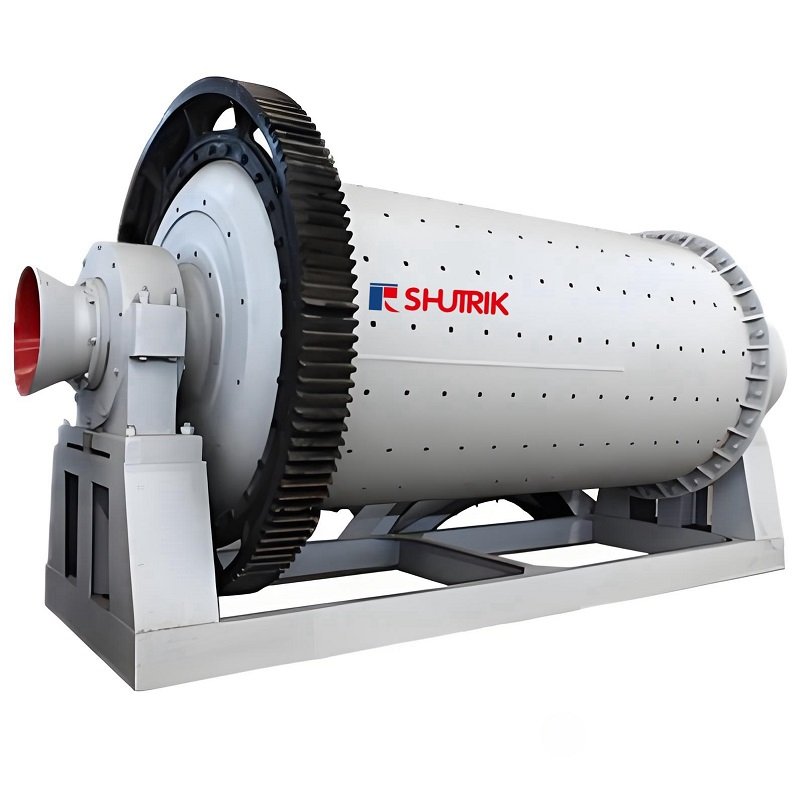

A ball mill grinding machine is a piece of powder processing equipment that utilizes a rotating vessel to drive grinding media, thereby subjecting materials to impact, friction, and shearing forces. Its fundamental principle involves using mechanical energy to break down coarse material into fine particles. Ball grinding mills are capable of processing materials of varying hardness and properties—ranging from metallic to non-metallic ores—making them suitable for a wide range of applications.
Sandreck‘s ball mill plant grinders are particularly well-suited for the fine grinding and beneficiation pretreatment of metallic ores such as gold, copper, iron, lead-zinc, lithium, chromium, and manganese. They are also used for the ultra-fine powder processing of non-metallic minerals, including quartz, feldspar, limestone, talc, and kaolin.
A ball mill for grinding is typically used in conjunction with rock crushing equipment, such as jaw crushers and cone crushers, to grind ore materials down to fine or ultrafine powder sizes. The grinding process can be carried out using either dry or wet methods.

Ball Grinding Mill Working Principle
A ball mill plant grinder is a type of physical grinding equipment. It achieves material pulverization through the impact, friction, and crushing actions occurring between the grinding media and the material. The overall operational process consists of four core steps, with continuous operation driven entirely by mechanical power.
1. Power Transmission: Upon startup, the motor transfers power to the mill shell via the transmission system, driving the shell to rotate at a constant speed around its horizontal axis. The rotation speed is maintained within the equipment’s rated range to ensure the proper movement of the grinding media.
2. Media Lifting: Grinding media—such as steel balls, steel rods, or ceramic balls—inside the shell are carried upward along with the rotating shell, driven by friction and centrifugal force, until they reach a certain height.
3. Impact Grinding: When the force of gravity acting on the grinding media exceeds the combined centrifugal and frictional forces, the media fall from the elevated position in a cascading or cataracting motion. Simultaneously, the material inside the shell moves with the rotation and repeatedly collides with the falling media, subjecting it to powerful impacts. Furthermore, the movement of the media—both against each other and against the inner wall of the shell—exerts crushing, frictional, and grinding forces on the material, progressively reducing large chunks to the target fineness.
4. Material Discharge: Once sufficiently ground, the fine material is discharged from the shell—using methods such as overflow, grate-discharge screening, or peripheral discharge—thereby completing a single grinding cycle. Coarse material that has not yet met the fineness requirements remains inside the shell to undergo further grinding until it meets the discharge standards.

Advantages of Ball Mill Plant Grinder
- High size-reduction ratio: The ball mill grinder accepts coarse feed and can grind material down to the micron level (tens of microns). It supports coarse, fine, and ultra-fine grinding, offering a wide range of applications.
- Strong adaptability: The ball mill grinding machine can process various materials, including ores, aggregates, chemical raw materials, and ceramics. It supports both dry and wet processing methods. Capable of continuous operation, it is ideal for large-scale production lines in mineral processing, construction materials, and mining.
- Simple and reliable structure: The ball mill for grinding primarily consists of a cylindrical shell, liners, grinding media (steel balls), and a drive mechanism. It features proven components, is easy to maintain and service, and has a low failure rate.
- Enclosed operation: Dust is controllable during dry grinding. Wet grinding involves the addition of water, resulting in minimal dust generation. The equipment operates stably, and noise levels are relatively manageable.
- Excellent material mixing: The grinding process also serves a mixing function, allowing multi-component materials to be blended thoroughly while being pulverized.

Ball Mill Grinder Applications
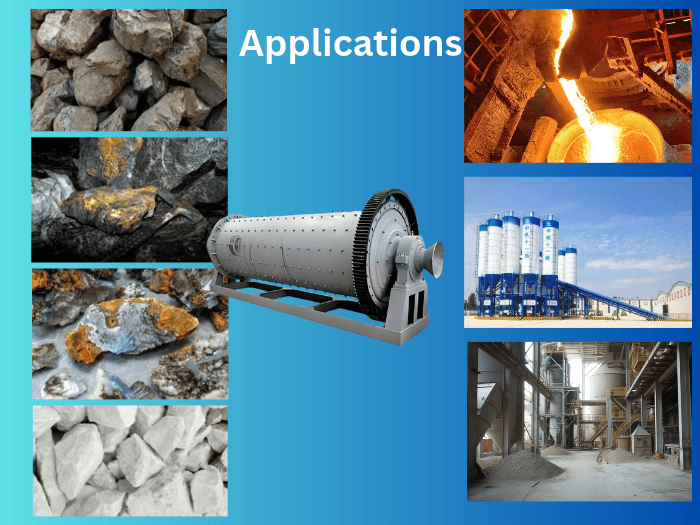
Ball mill grinders for sale have an extremely wide range of applications, spanning virtually every industry that requires powdered materials.
In the building materials industry, ball grinding mills are widely used to grind raw materials such as cement, lime, and gypsum, serving as a core piece of equipment in cement production lines.
In the mining and metallurgy sectors, ball mill plant grinders are used to process various ores—such as iron, copper, and gold—extracting valuable mineral components through the grinding process.
In the chemical industry, ball mill grinding machines are employed to prepare various chemical raw materials and catalysts, thereby facilitating chemical reactions.
Additionally, ball mills for grinding play a significant role in fields such as ceramics, glass manufacturing, refractory materials, and environmental protection.
Technical Parameters of Ball Mill Grinding Machine
| Model | Rotary Speed(r/min) | Ball Load(t) | Input Size (mm) | Output Size (mm) | Capacity(t/h) | Power (kW) | Weight (t) |
| Φ900 × 1 800 | 36-38 | 1.5 | ≤20 | 0.075-0.89 | 0.65-2 | 18.5 | 4.6 |
| Ф900 × 3000 | 36 | 2.7 | ≤20 | 0.075-0.89 | 1.1-3.5 | 22 | 5.6 |
| Φ1200 × 2400 | 36 | 3 | <25 | 0.075-0.6 | 1.5-4.8 | 30 | 12 |
| Φ1200 × 3000 | 36 | 3.5 | <25 | 0.074-0.4 | 1.6-5 | 37 | 12.8 |
| Φ1200 × 4500 | 32.4 | 5 | ≤25 | 0.074-0.4 | 1.6-5.8 | 55 | 13.8 |
| Φ1500 × 3000 | 29.7 | 7.5 | <25 | 0.074-0.4 | 2-5 | 75 | 15.6 |
| Φ1500 × 4500 | 27 | 11 | <25 | 0.074-0.4 | 3-6 | 90 | 21 |
| Φ1500 × 5700 | 28 | 12 | <25 | 0.074-0.4 | 3.5-6 | 130 | 24.7 |
| Φ1830 × 3000 | 25.4 | 11 | <25 | 0.074-0.4 | 4-10 | 130 | 28 |
| Ф1830 × 4500 | 25.4 | 15 | <25 | 0.074-0.4 | 4.5-12 | 155 | 32 |
| Φ1830 × 6400 | 24.1 | 21 | <25 | 0.074-0.4 | 6.5-15 | 180 | 34 |
| Φ1830 × 7000 | 24.1 | 23 | <25 | 0.074-0.4 | 7.5-17 | 210 | 36 |
| Φ2100× 3000 | 23.7 | 15 | <25 | 0.074-0.4 | 6.5-36 | 210 | 34 |
| Φ2100 × 4500 | 23.7 | 24 | ≤25 | 0.074-0.4 | 8-43 | 245 | 42 |
| Φ2100 × 7000 | 23.7 | 26 | <25 | 0.074-0.4 | 8-48 | 280 | 50 |
| Φ2200 × 4500 | 21.5 | 27 | ≤25 | 0.074-0.4 | 9-45 | 280 | 48.5 |
| Φ2200 × 6500 | 21.7 | 35 | <25 | 0.074-0.4 | 14-26 | 370 | 52.8 |
| Φ2200 × 7000 | 21.7 | 35 | ≤25 | 0.074-0.4 | 15-28 | 380 | 54 |
| Φ2200 × 7500 | 21.7 | 35 | <25 | 0.074-0.4 | 15-30 | 380 | 56 |
| Φ2400 × 4500 | 21 | 30 | <25 | 0.074-0.4 | 8.5-60 | 320 | 65 |
| Φ2700 × 4000 | 20.7 | 40 | <25 | 0.074-0.4 | 12-80 | 400 | 94 |
| Φ2700 × 4500 | 20.7 | 48 | ≤25 | 0.074-0.4 | 12-90 | 430 | 102 |
| Φ3200 × 4500 | 18 | 65 | <25 | 0.074-0.4 | 25-130 | 800 | 137 |


Related products
-
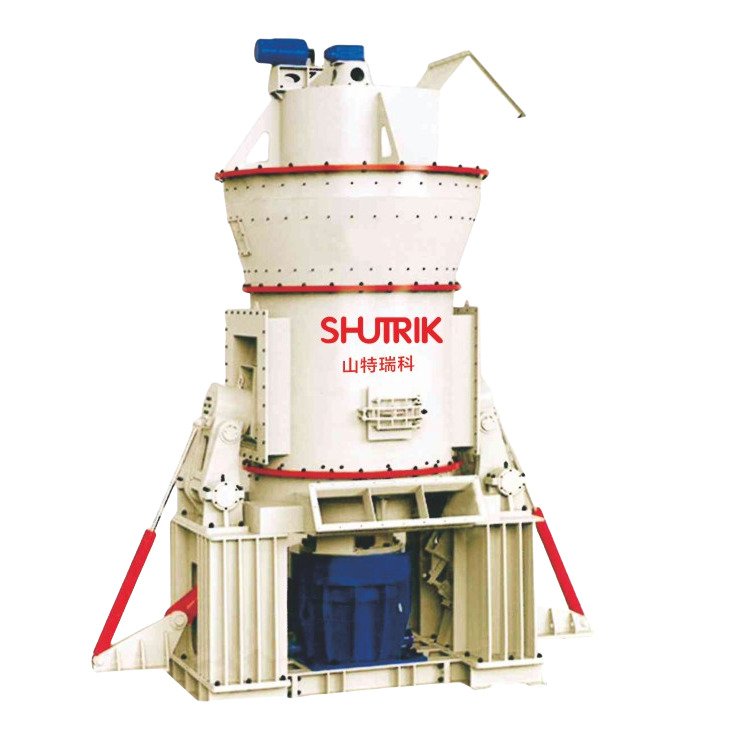
Vertical Roller Mill Machine
The vertical roller mill machine is a high-efficiency grinding machine that integrates crushing, grinding, drying, classifying, and conveying. Its core principle is based on material bed grinding technology, achieving material pulverization through the relative motion between grinding rollers and the grinding table.
- Capacity: 10 – 400 t/h
- Feed Size: ≤ 55 mm
- Output Size: 20 – 400 mesh
-
Industrial Ball Mill
The industrial ball mill is a grinding device widely used in industries such as mining, building materials, and chemicals, primarily employed for the crushing, grinding, and mixing of materials, as well as the production of ultrafine powders.
- Capacity: 0.65-130 t/h
- Feed Size: ≤ 25 mm
- Output Size: 0.074-0.89 mm
-
Grinding Rod Mill
Grinding rod mills are primarily utilized in the first stage of open-circuit grinding for coarse- to fine-size reduction. They are particularly well-suited for brittle ore materials. Our rod mills offer the advantages of uniform product particle size and high throughput.
- Capacity: 100-500 t/h
- Feed Size: <25 mm
- Output Size: 0.074-5 mm
-
Rod Mill Equipment
Rod mill equipment is primarily used for coarse grinding operations. They are suitable for the fine crushing and coarse grinding of ores and are particularly well-suited for processing brittle materials. They are widely used in the production of manufactured sand, as well as in mineral processing plants, chemical plants, and the power industry.
- Capacity: 100-500 t/h
- Feed Size: <25 mm
- Output Size: 0.074-5 mm
-
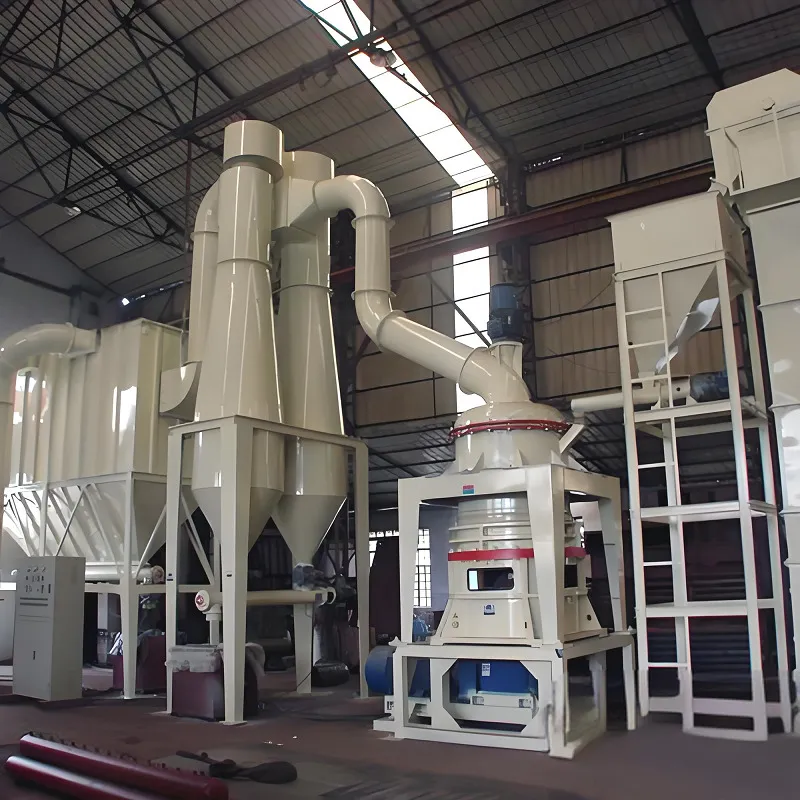
Raymond Grinding Mill
The Raymond grinding mill is a type of dry-grinding suspended-roller mill. It is widely used in the non-metallic mining industry and is capable of grinding rock into fine powder.
- Capacity: 0.25-22 t/h
- Feed Size: ≤35 mm
- Output Size: 0.005-0.613 mm
-
Raymond Roller Mill
The Raymond roller mill is a high-efficiency grinding machine featuring a vertical structure. It is primarily used for processing non-metallic minerals into fine and ultrafine powders and is widely applied in industries such as mining, construction materials, chemicals, and metallurgy.
- Capacity: 0.25-22 t/h
- Feed Size: ≤35 mm
- Output Size: 0.005-0.613 mm